
Showing 1–24 of 26 results

The Questions That Matter Before You Rely on a Beacon in the Field

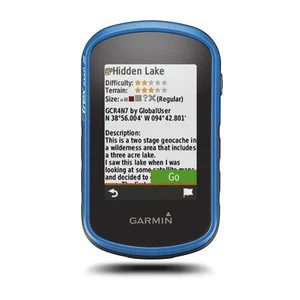
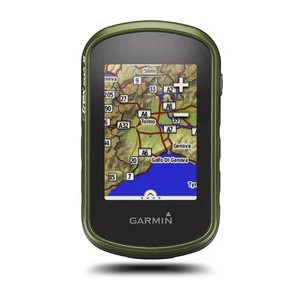
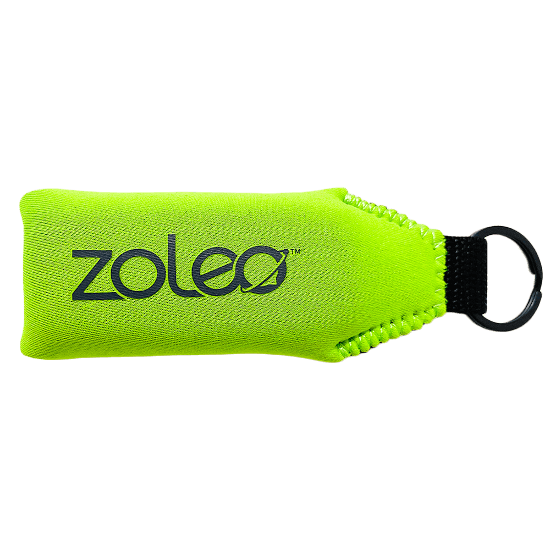
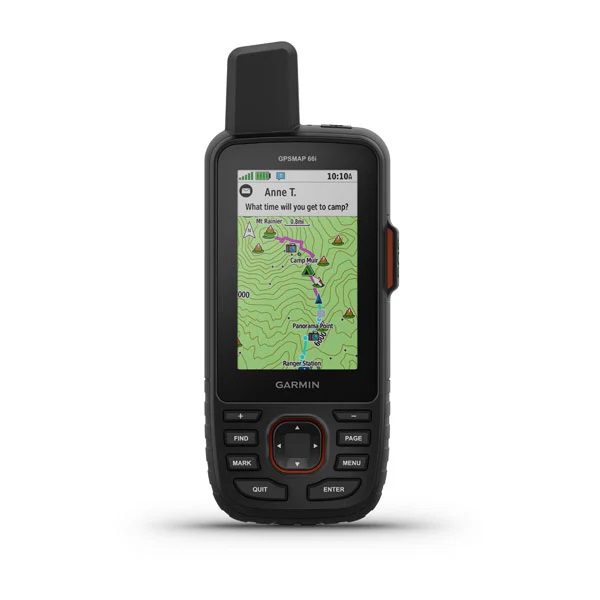
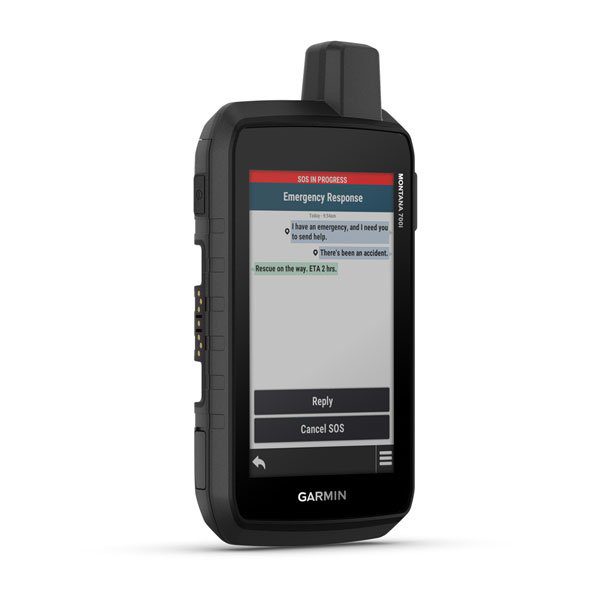
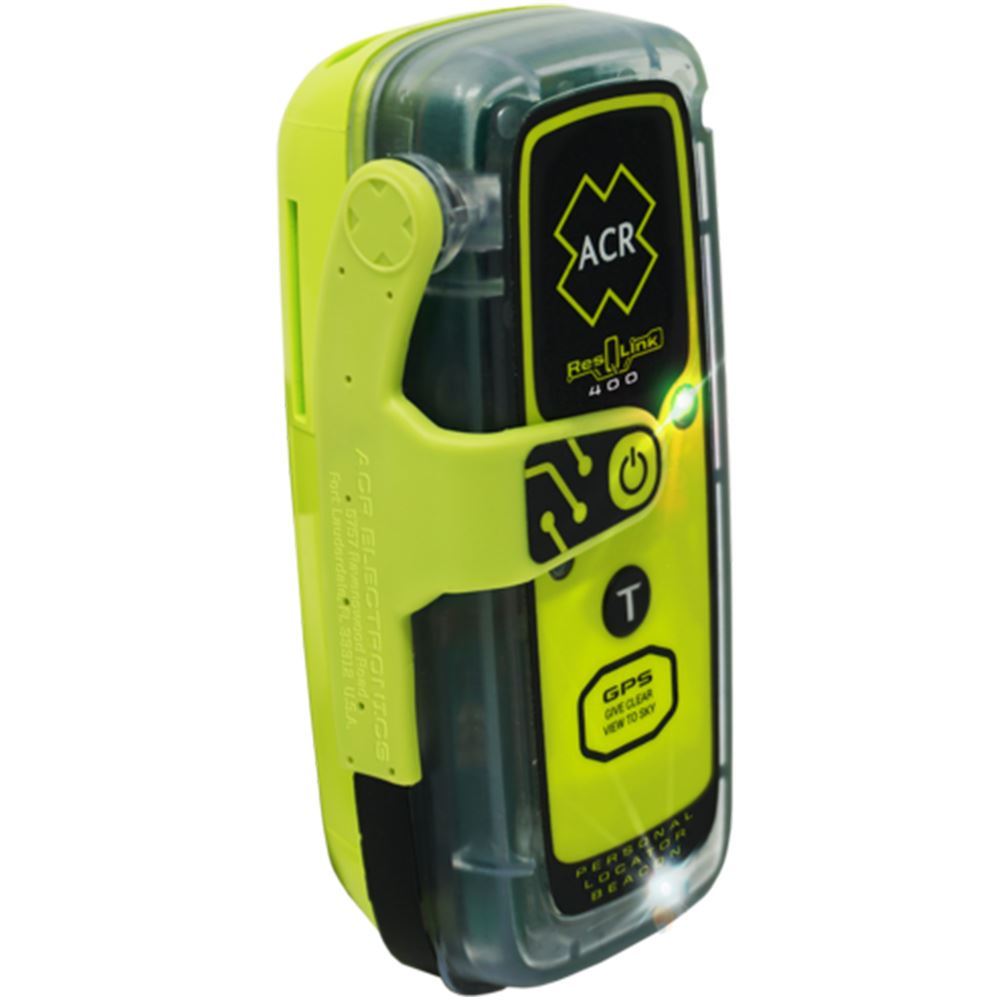
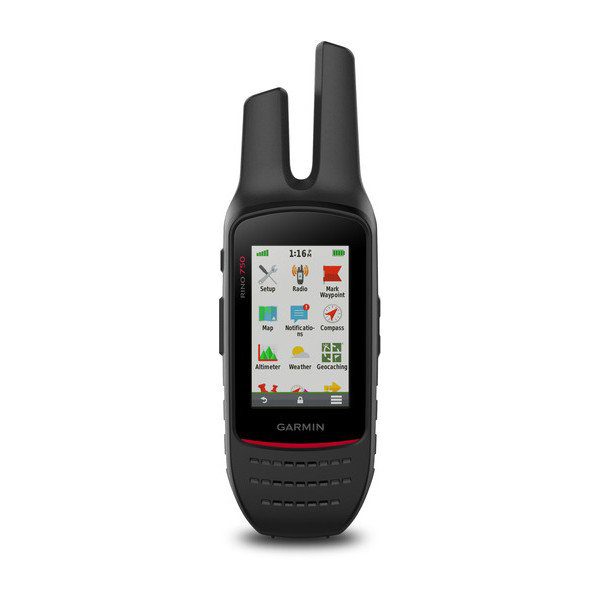
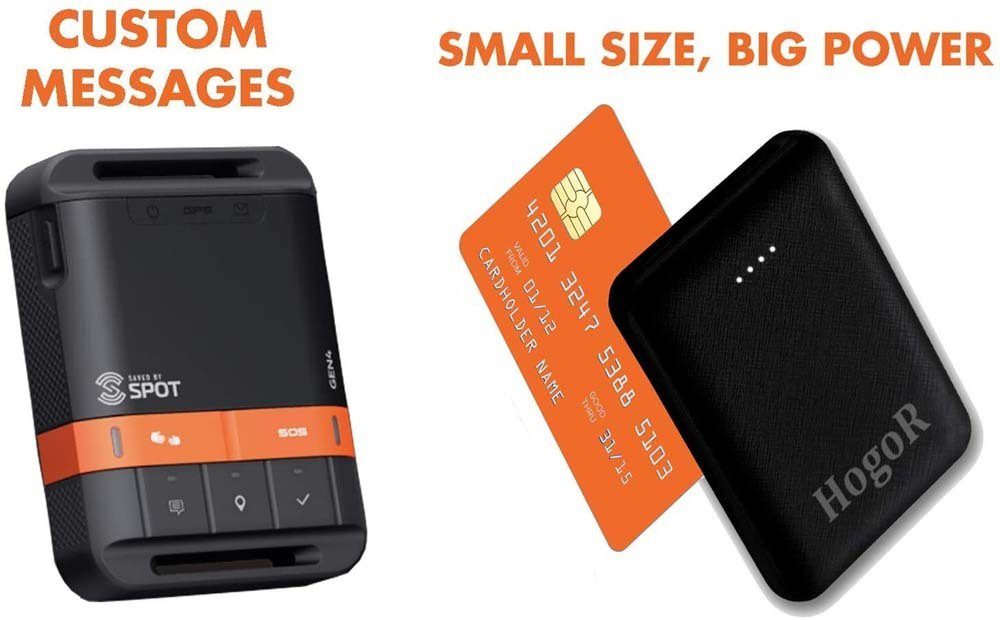
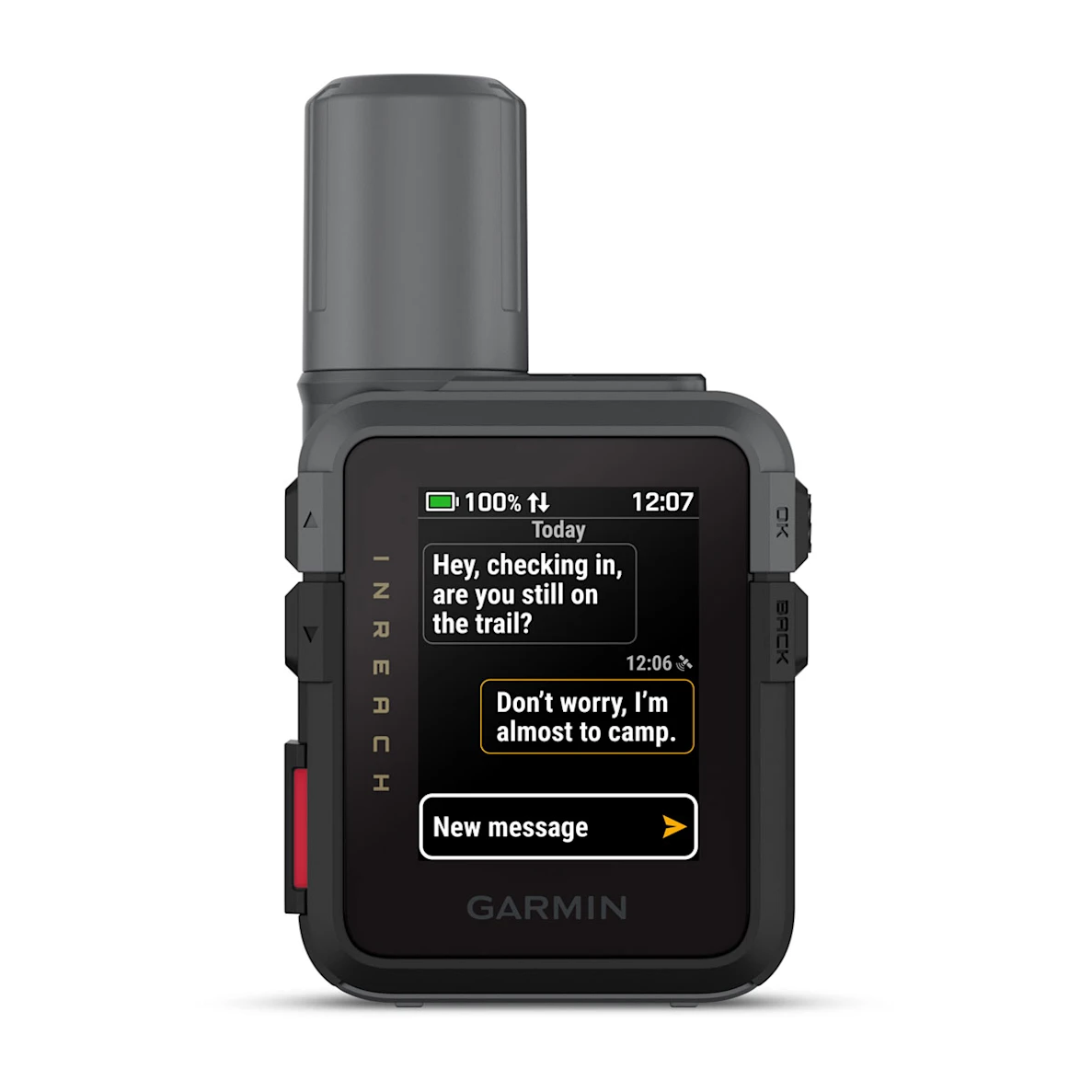
That depends on what problem you are trying to solve. A personal locator beacon is built around emergency distress signalling. A satellite communicator is more useful when you want two-way communication, tracking, or check-ins as well as SOS capability. A handheld GPS helps with navigation but is not automatically the same thing as an emergency beacon. Offtrack’s broader guidance on navigation and remote-trip gear follows that same logic: choose the device based on remoteness, consequence, and how you actually travel, rather than assuming every unit does the same job. The live category reflects that mix, with Garmin inReach models, GPSMAP units, eTrex devices, Zoleo communicators, an ACR ResQLink 400 PLB, and SPOT hire all appearing in the same range.

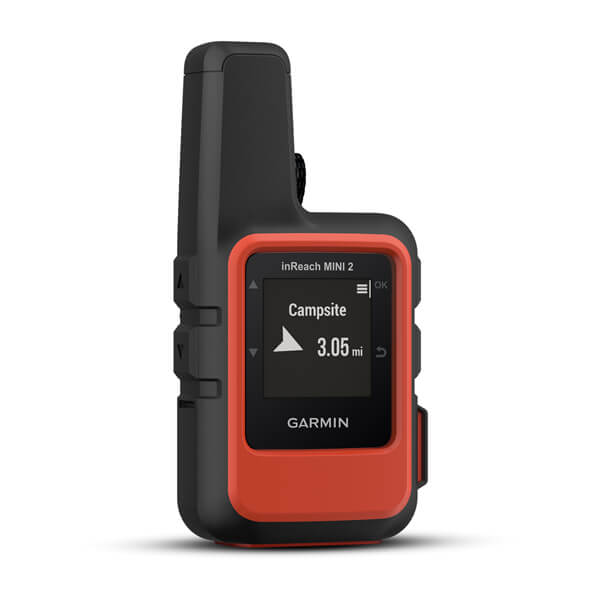
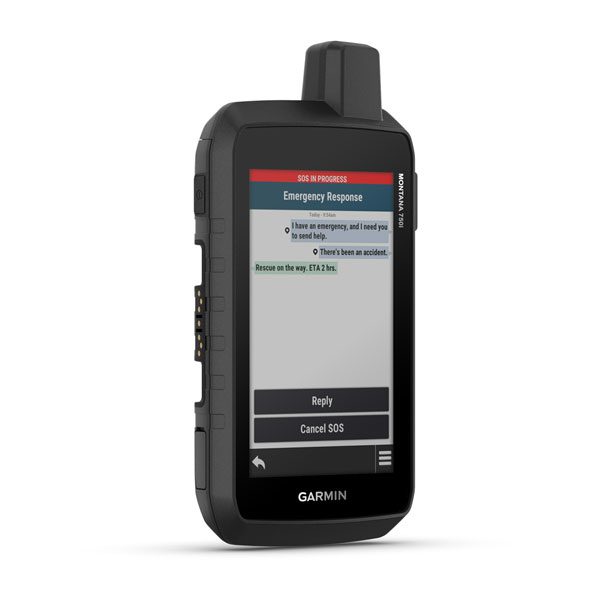
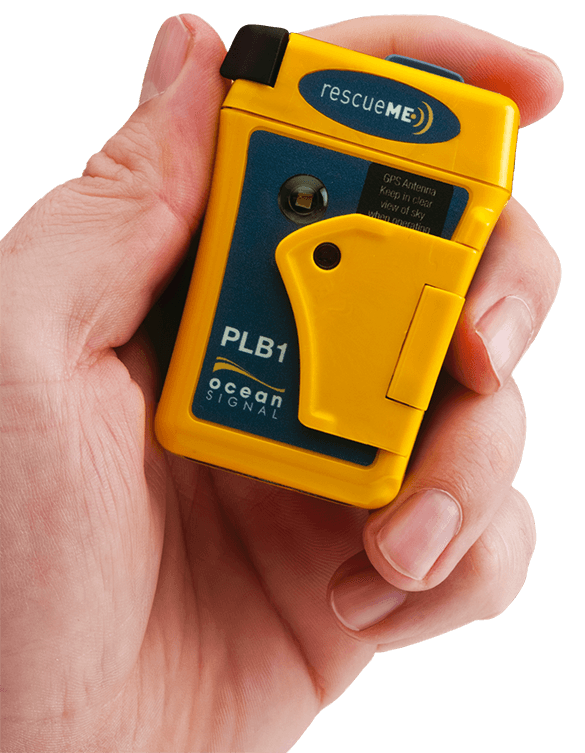
A PLB is usually the simpler emergency-focused option. You carry it for the day you hope never comes, where the main need is to trigger a rescue signal in a serious situation. A satellite communicator adds more day-to-day utility because it can suit check-ins, trip messaging, and ongoing remote communication, depending on the device and service setup. That distinction is already visible on the current category page, where the ACR ResQLink 400 PLB sits alongside products like the Zoleo Satellite Communicator and Garmin inReach units rather than replacing them. The choice comes down to whether you only want emergency backup or a broader remote-communication tool.

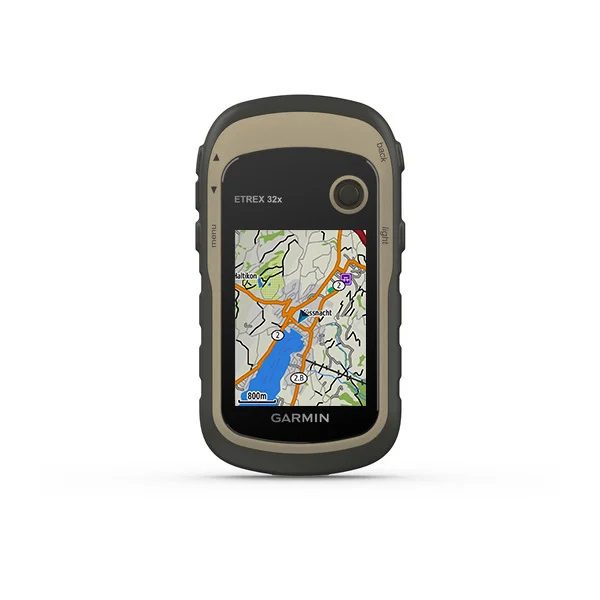
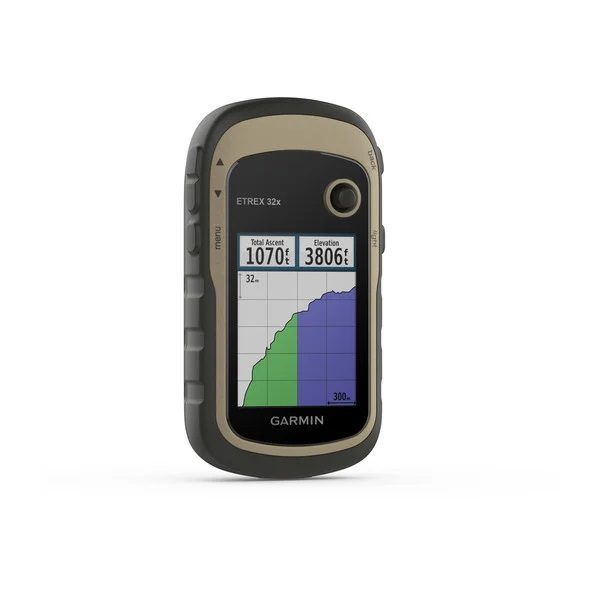
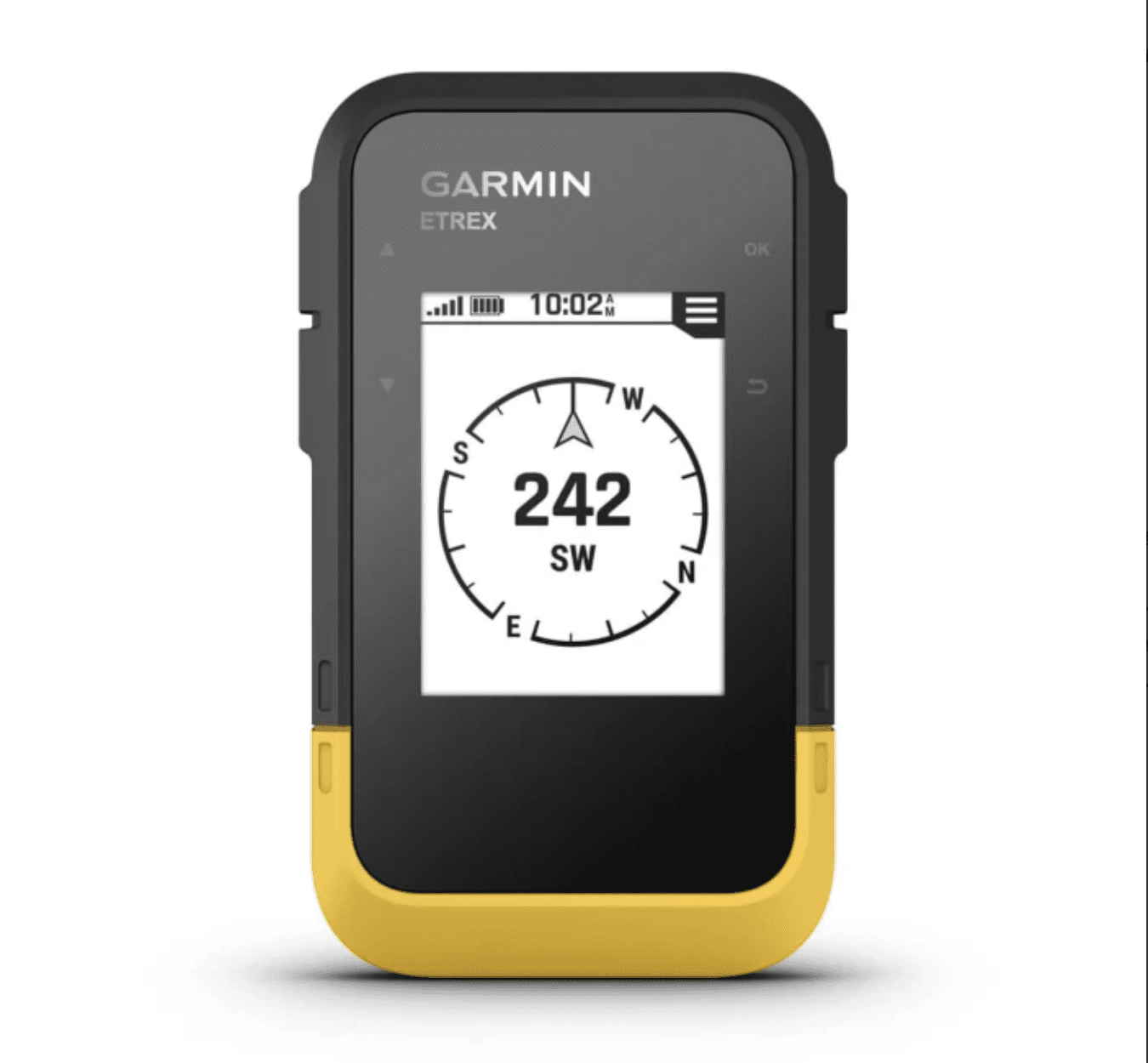
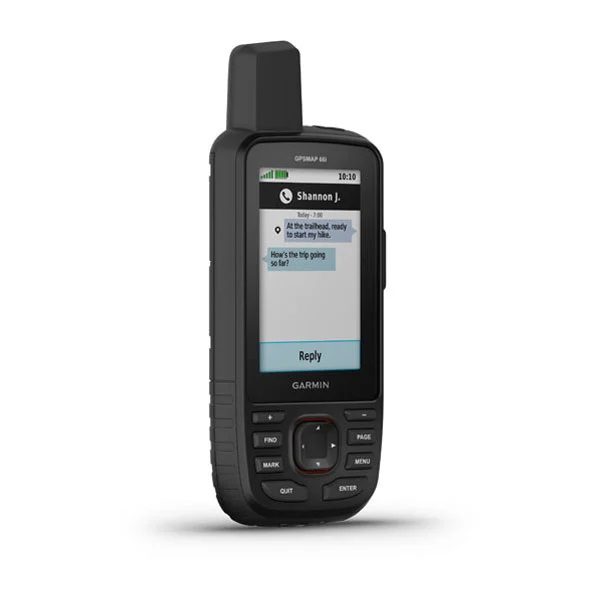
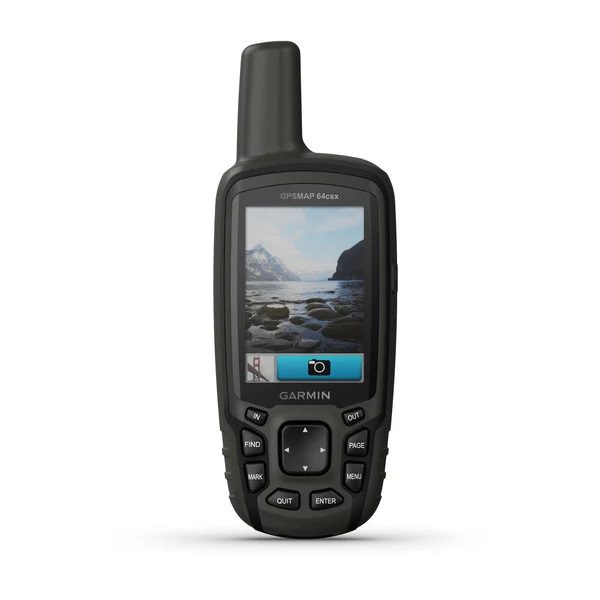
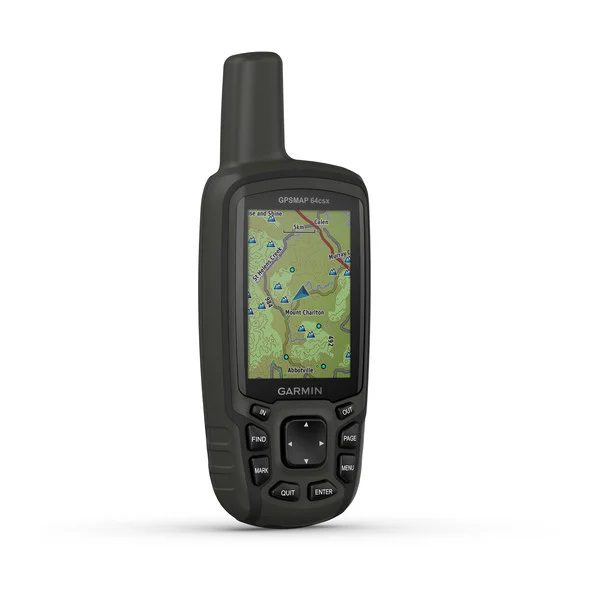
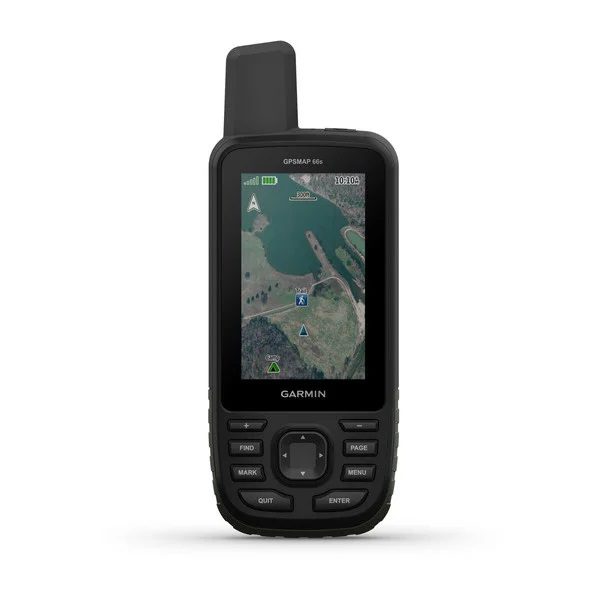
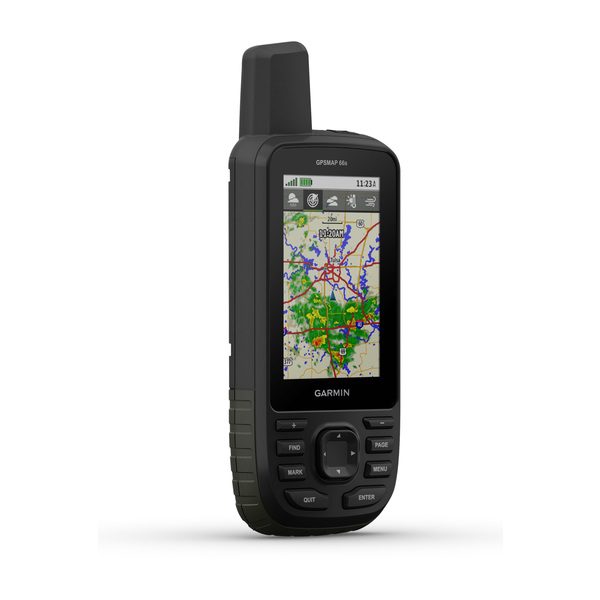
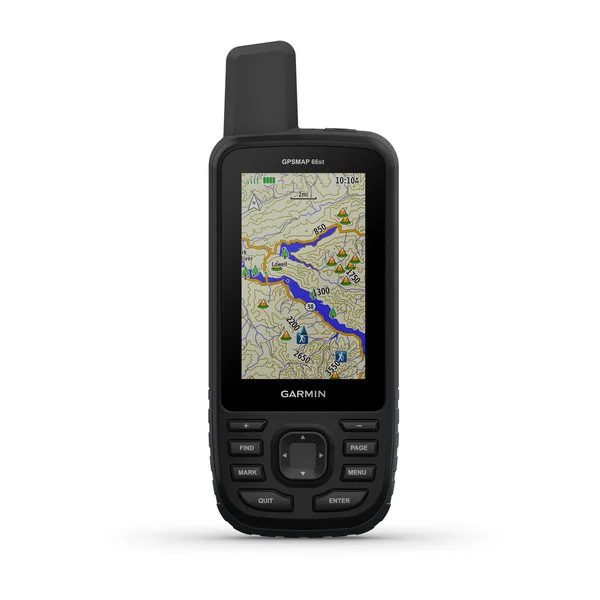
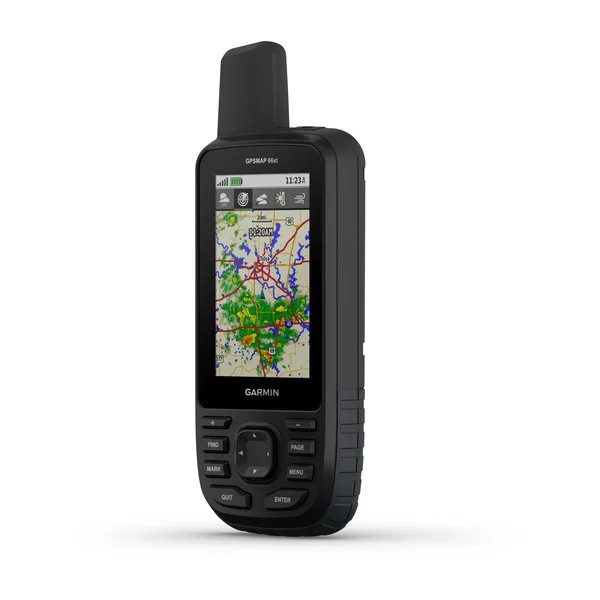
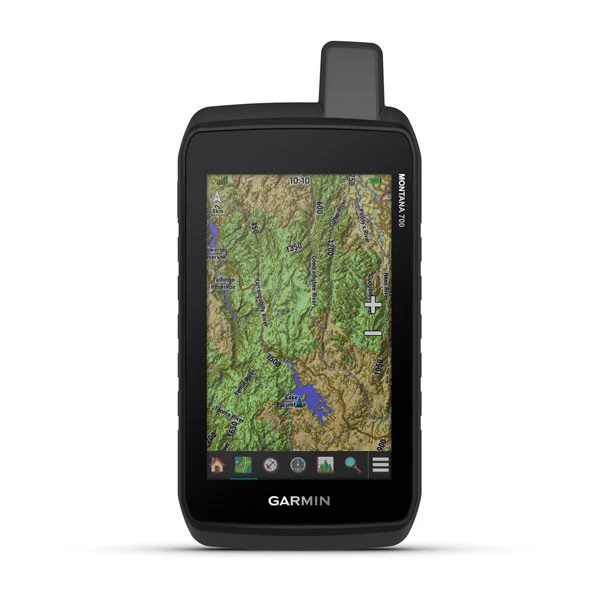
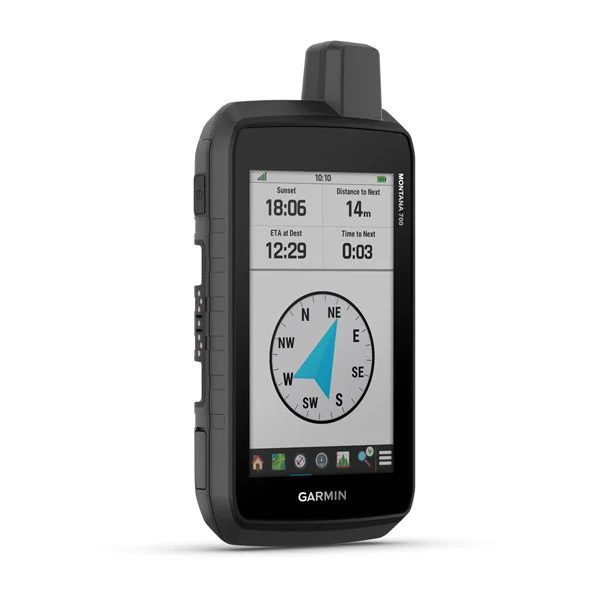
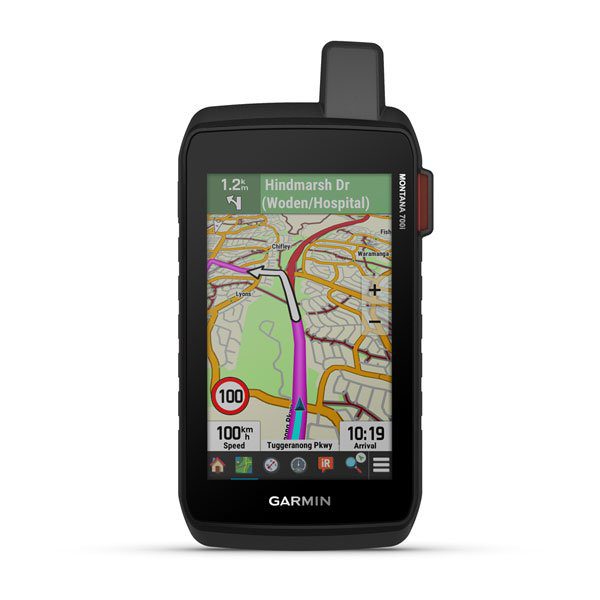
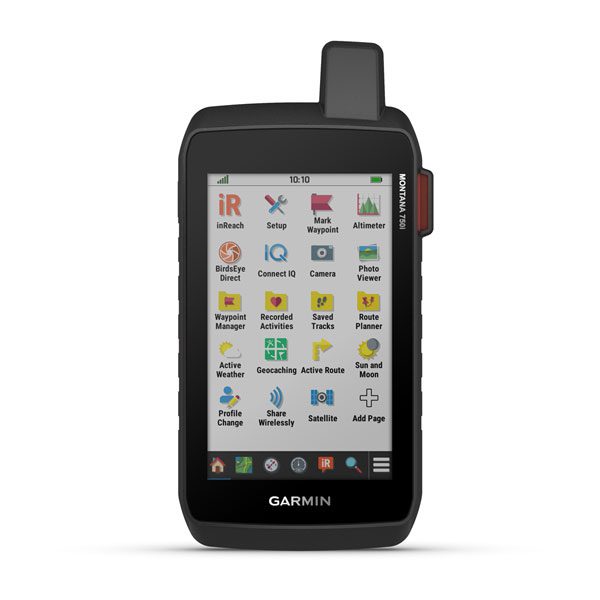
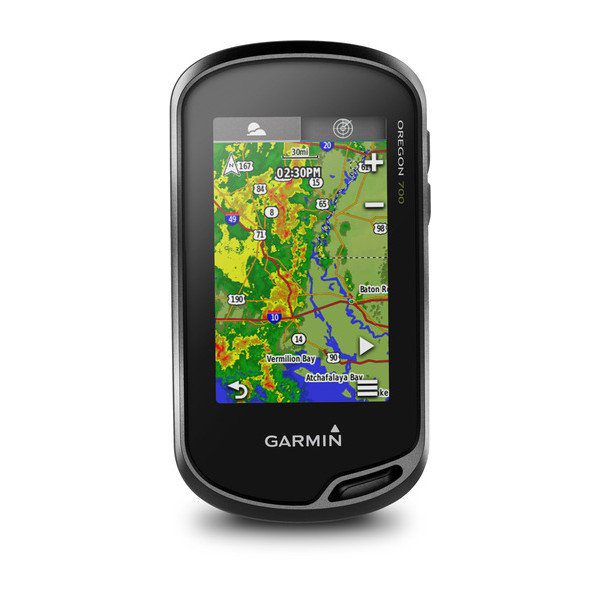
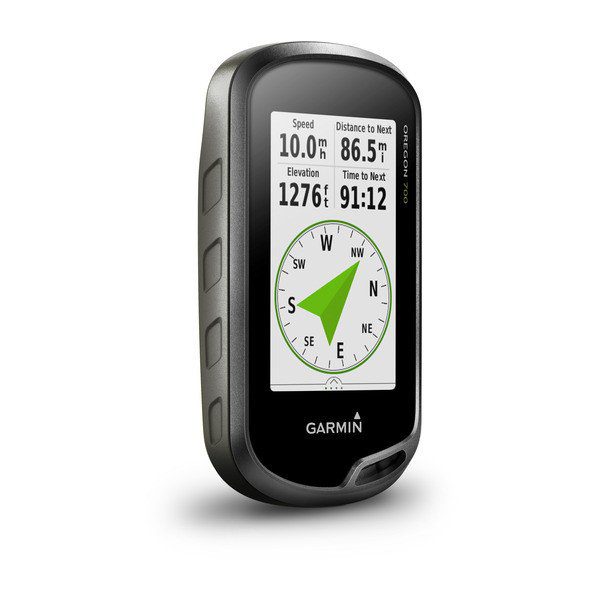
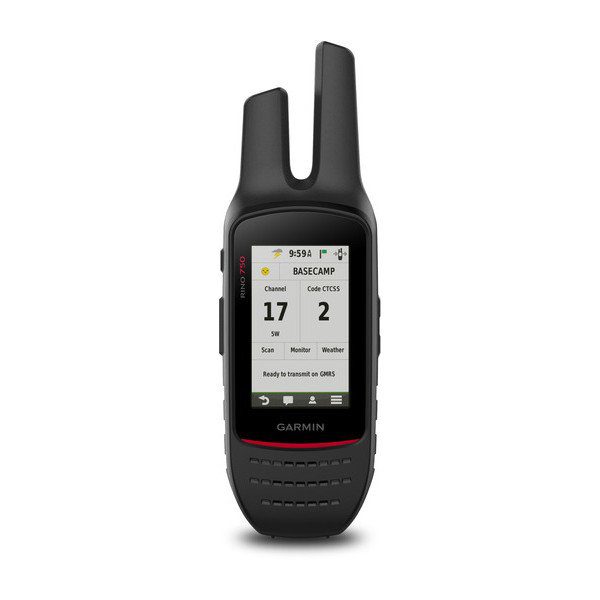
A handheld GPS makes sense when navigation is the primary need and you want a dedicated device for route-finding, waypoint use, and field navigation rather than relying on a phone. Offtrack’s research material treats GPS devices and personal locator beacons as related but separate tools, and stresses choosing navigation gear based on the remoteness of the trip. In the live category, that separation is easy to see because GPSMAP and eTrex units sit beside distress and communication devices rather than being treated as the same product type.

Start with the consequence of getting it wrong. If the trip is remote enough that a true distress option is the first concern, narrow the shortlist around that. If you also need to send updates, coordinate with others, or manage check-ins, messaging becomes more relevant. If your bigger problem is route-finding, the navigation side moves higher up the list. Offtrack’s wider recommendation style is scenario-based and built around environment, risk, and use case, which is exactly the right way to buy in this category.

No. They are most valuable when the consequences of being out of range, off route, or unable to call for help rise sharply, and that can happen well before a trip becomes an “expedition.” Remote bushwalking, school programs, paddling trips, alpine travel, and longer vehicle-supported trips can all justify one. Offtrack’s customer base includes both individual users and institutional buyers such as schools and outdoor education groups, which helps explain why this category sits inside practical field communication rather than niche adventure gadgets.

The live page currently shows 26 results. The visible range includes Garmin, Zoleo, ACR and SPOT, with current examples such as the Garmin inReach Mini 3 Plus, Garmin inReach Mini 3, Zoleo Satellite Communicator, ACR ResQLink 400 PLB, and SPOT Device Hire. There are also handheld GPS units in the same category, including Garmin GPSMAP and eTrex models. That tells you this page is not just “beacons.” It is really a broader remote communication and location-safety category.

Loadding...