
Categories
Filter by Brands
-
(9)
-
(2)
-
(4)
-
(2)
-
(3)
-
(1)
-
(12)
-
(17)
-
(9)
-
(24)
-
(1)
-
(14)
-
(4)
-
(4)
-
(4)
-
(13)
-
(72)
-
(12)
-
(1)
-
(1)
-
(11)
-
(129)
-
(2)
-
(3)
-
(4)
-
(5)
-
(11)
-
(2)
-
(58)
-
(12)
-
(61)
-
(1)
-
(2)
-
(1)
-
(7)
-
(1)
-
(2)
-
(1)
-
(2)
-
(12)
-
(3)
-
(13)
-
(2)
-
(2)
-
(2)
-
(3)
-
(5)
-
(1)
-
(4)
-
(2)
-
(5)
-
(11)
-
(3)
-
(2)
-
(1)
-
(1)
-
(97)
-
(4)
-
(6)
-
(7)
-
(2)
-
(2)
-
(3)
-
(7)
-
(1)
-
(126)
-
(13)
-
(4)
-
(1)
-
(10)
-
(1)
-
(24)
-
(1)
-
(21)
-
(25)
-
(29)
-
(22)
-
(11)
-
(20)
-
(5)
-
(3)
-
(2)
-
(42)
-
(14)
-
(1)
-
(28)
-
(15)
-
(1)
-
(8)
-
(21)
-
(9)
-
(1)
-
(7)
-
(4)
-
(2)
-
(1)
-
(28)
-
(1)
-
(1)
-
(5)
-
(9)
-
(2)
-
(3)
-
(2)
-
(1)
-
(5)
-
(4)
-
(12)
-
(1)
-
(15)
-
(6)
-
(3)
-
(7)
-
(6)
-
(6)
-
(18)
-
(3)
-
(1)
-
(2)
-
(2)
-
(5)
-
(2)
-
(2)
-
(3)
-
(178)
-
(3)
-
(40)
-
(1)
-
(2)
-
(5)
-
(23)
-
(2)
-
(1)
-
(3)
-
(19)
-
(3)
-
(3)
-
(15)
-
(1)
-
(1)
-
(9)
-
(1)
-
(28)
-
(1)
-
(52)
-
(9)
-
(1)
-
(2)
-
(12)
-
(2)
-
(40)
-
(2)
-
(658)
-
(5)
-
(3)
-
(57)
-
(12)
-
(3)
-
(12)
-
(2)
-
(1)
-
(1)
-
(35)
-
(8)
-
(5)
-
(24)
-
(2)
-
(2)
-
(4)
-
(5)
-
(14)
-
(8)
-
(4)
-
(42)
-
(9)
-
(4)
-
(6)
-
(20)
-
(4)
-
(383)
-
(21)
-
(24)
-
(4)
-
(4)
-
(9)
-
(1)
-
(4)
-
(19)
-
(9)
-
(34)
-
(1)
-
(3)
-
(1)
-
(3)
-
(2)
-
(3)
-
(14)
-
(8)
-
(13)
-
(1)
-
(3)
-
(9)
-
(1)
-
(13)
-
(1)
-
(1)
-
(1)
-
(22)
-
(5)
-
(13)
-
(1)
-
(1)
-
(31)
-
(8)
-
(5)
-
(59)
-
(1)
-
(1)
-
(11)
-
(6)
-
(5)
-
(4)
-
(4)
-
(1)
-
(1)
-
(201)
-
(2)
-
(1)
-
(1)
-
(9)
-
(98)
-
(1)
-
(84)
-
(2)
-
(7)
-
(4)
Price Range
-
Price:—
Select Size
-
(5)
-
(6)

- -62%
$79.99 Original price was: $79.99.$30.00Current price is: $30.00.

- Out of Stock

- Out of Stock

- Out of Stock

- Out of Stock
$62.99 – $72.99Price range: $62.99 through $72.99

- Out of Stock
The Questions Worth Settling Before You Buy a Mosquito Net
Do I need a head net, a pyramid net, or a full mosquito net over the bed?
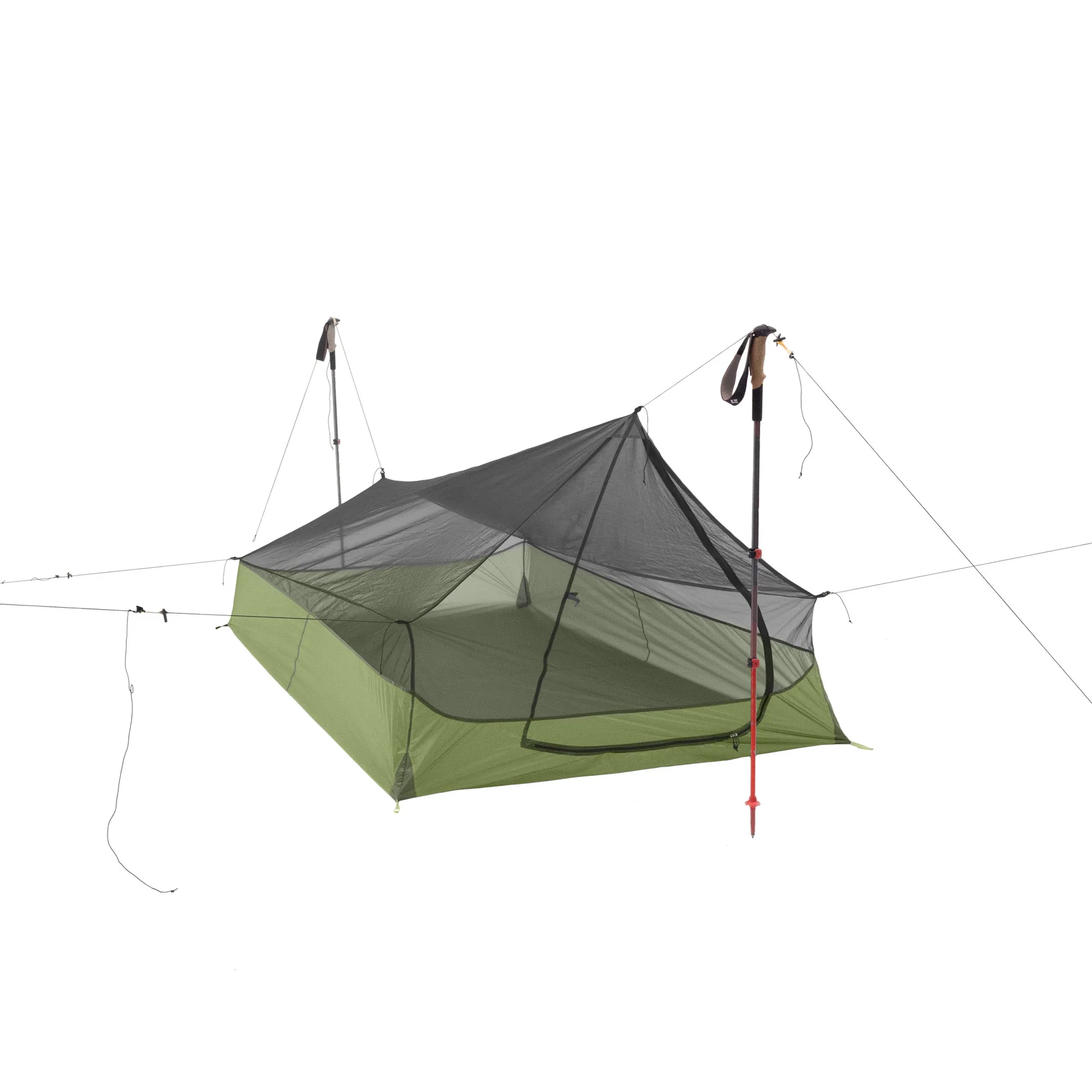
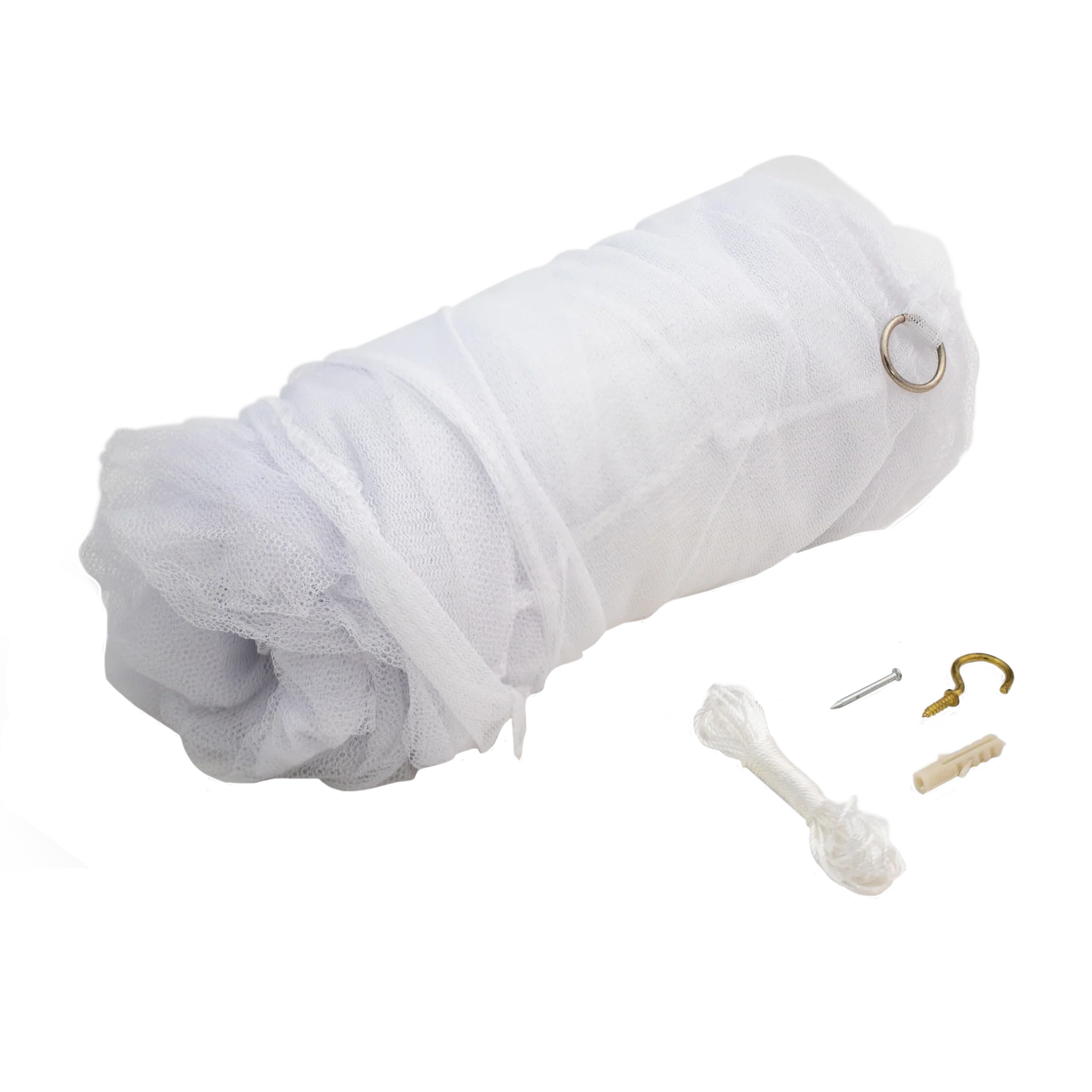
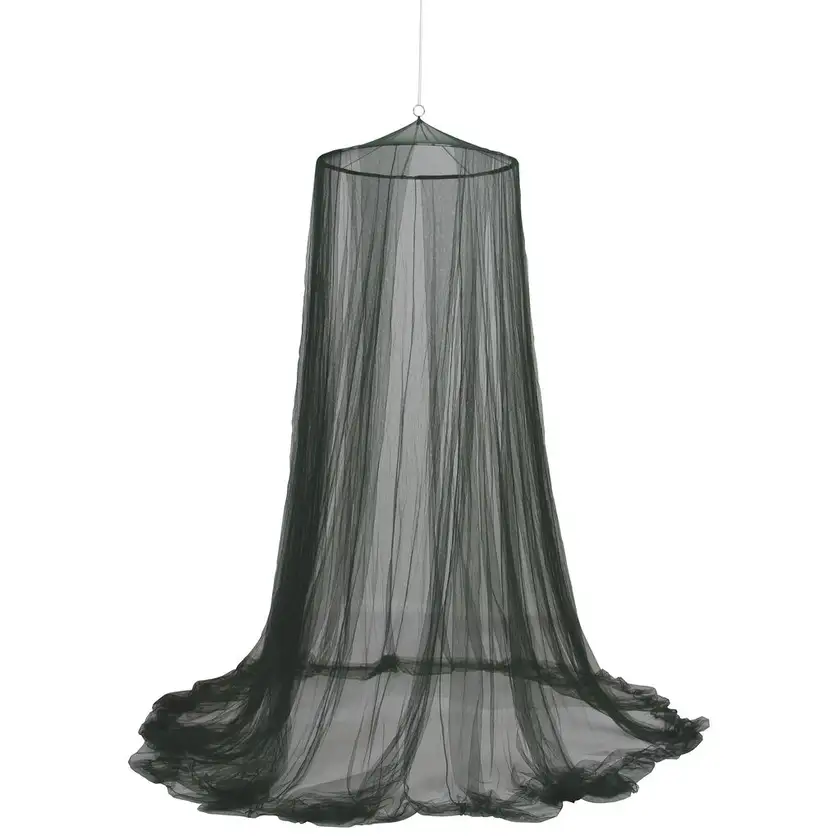
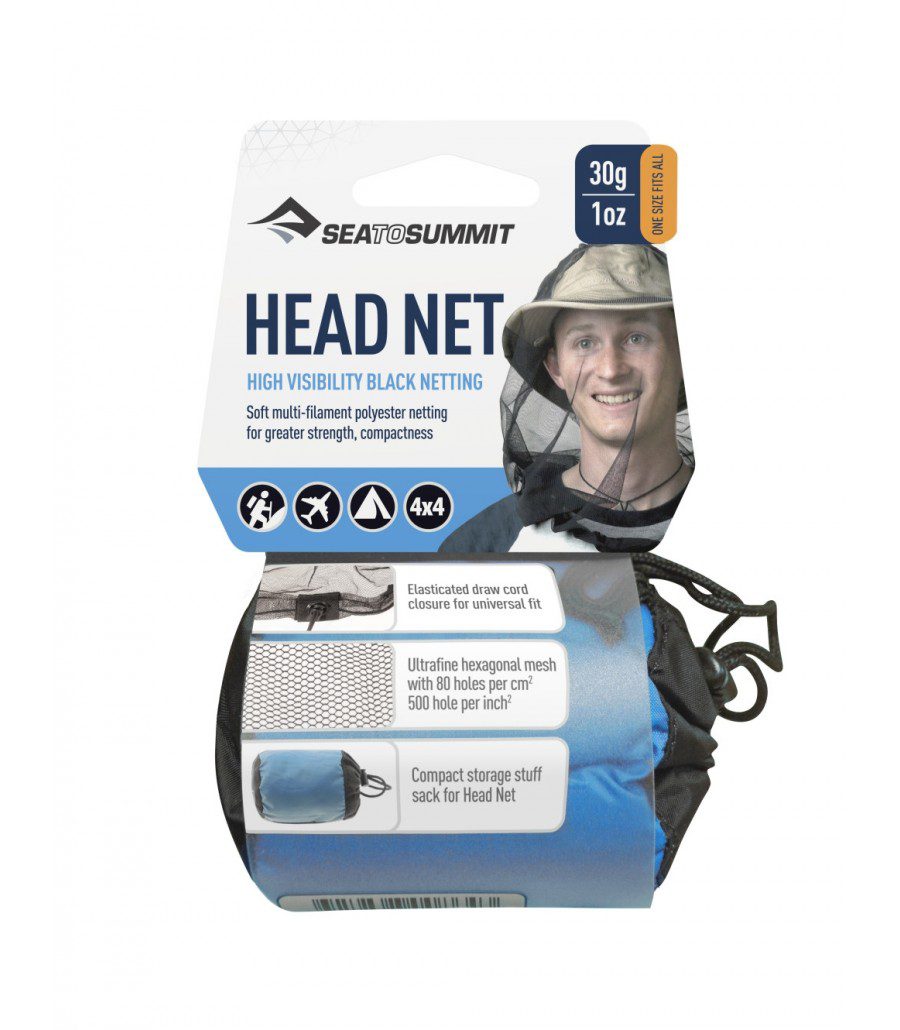
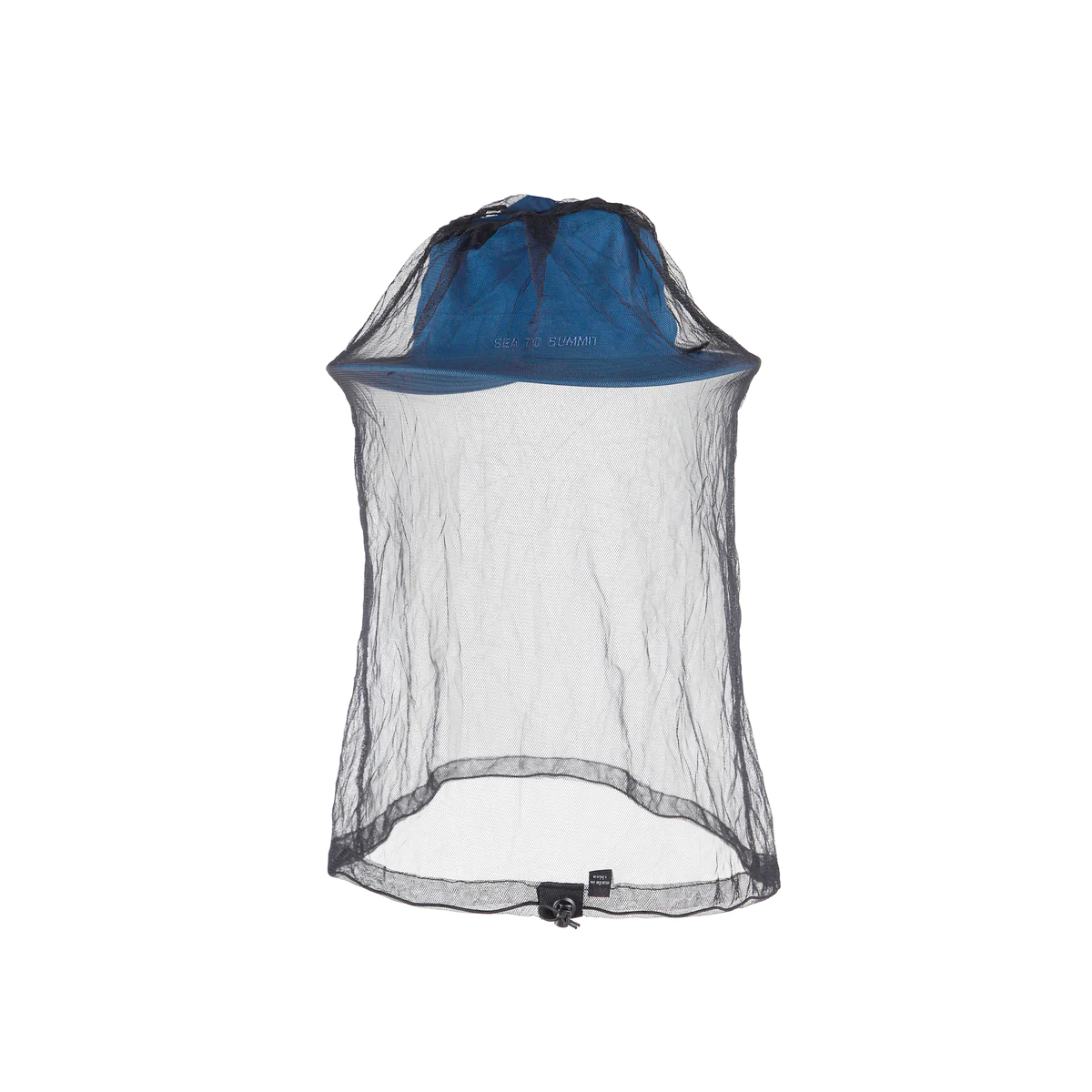
It depends on how exposed you will be and how long you need protection for. A head net is the lightest option and makes sense for walking, fishing, camp chores, or travel where you need quick protection without carrying much bulk. A pyramid net is better for sleeping because it creates a protected space over your mat or sleeping area. A larger bell-style net suits more static setups where comfort matters more than pack size. Offtrack’s category mix reflects those different use cases rather than pushing one “best” option.
When is a permethrin-treated net worth choosing?
A treated net is usually the better pick when insect pressure is high, you are travelling in humid regions, or you want an extra layer of protection beyond the physical mesh barrier. An untreated net can still be the right call for lower-risk conditions, shorter trips, or shoppers who simply want a lightweight physical barrier. The practical choice comes down to destination, bug exposure, and how much margin for comfort and protection you want while sleeping. Offtrack’s broader gear advice is consistently scenario-based, with recommendations changing by environment, season, and trip style.
What should I look at first if I’m buying for hiking or lightweight travel?
Start with packed size, weight, and setup simplicity. A head net or nano-style pyramid net usually makes more sense for hikers and travellers who count every gram and need something easy to deploy at the end of a long day. For a fixed camp, school program, or car-based setup, comfort and internal space become more relevant than shaving a few grams. Offtrack’s research repeatedly frames gear selection around trip duration, environment, group size, and budget, which is exactly the logic this category needs.
Are mosquito nets mainly for tropical travel, or do they also make sense for local camping?
They can make sense for both. Tropical travel is the obvious use case, but local summer camping, coastal trips, still-water campsites, and school camps can all justify bug protection when insects are persistent enough to affect sleep and comfort. Offtrack’s own category positioning treats insect nets as a normal part of warm-weather camping and safety prep rather than a niche travel extra.
How do I avoid buying a net that sounds right but is annoying to use in camp?
Match the net to the way you actually sleep and set up camp. If you move around camp and only need face protection, a head net is simple. If you sleep under a shelter, in a hut, or in a lightweight camp setup, a pyramid net is often the better fit. If you want more enclosed comfort in a static setup, a larger hanging net is easier to live with. The mistake people make is buying for the product label instead of the trip conditions. Offtrack’s advisory position is built around narrowing gear by intended use, not by broad category alone.
What changes if I’m buying for a school camp, group program, or expedition list?
Consistency, ease of use, and trip suitability matter more. Group leaders usually need gear that is easy to explain, easy to pack, and appropriate for the environment the whole group is heading into. That is where Offtrack’s Gear List approach becomes useful, because it is designed for teachers, group leaders, and outdoor education programs that need the right kit matched to a specific trip and budget. For a category like mosquito nets and bug prevention, that can remove guesswork around who needs head protection, who needs sleep protection, and what suits the conditions.

