There’s thirsty… and then there’s Gibson Desert thirsty.
Anyone who has pushed through Western Australia’s vast red heart knows the difference. The air feels dry enough to crack skin within hours. Heat radiates upward from ironstone and spinifex. Wind offers no mercy. On a long-haul hike across desert country, hydration isn’t just a routine, it’s strategy, discipline and survival stitched into every step.
For gear nostalgists who still appreciate hard-wearing kit and field-tested systems, the modern hydration reservoir might once have felt like a flashy add-on. But in serious desert hydration, sipping without stopping changes everything. Add a reliable inline filter, and you’ve built a system that keeps you moving while managing one of the harshest environments on the planet.
This isn’t about trendy ultralight theory. This is about practical reservoir hacks for beating real desert thirst on a true long-haul hike.
The Gibson Desert Doesn’t Negotiate
The Gibson Desert is vast, remote and unforgiving. Water sources are unpredictable. Shade is scarce. Temperatures swing wildly between scorching days and cold nights. According to the Australian Government – Bureau of Meteorology, inland desert regions regularly experience extreme heat and highly variable conditions that increase dehydration risk.
In cooler climates, you might get away with drinking only at rest stops. In desert conditions, waiting until you feel thirsty is already too late. Effective desert hydration depends on consistent intake, small, regular sips that maintain fluid balance without overwhelming your system.
That’s where a hydration reservoir shines.
Instead of removing a bottle from your pack, stopping, drinking and repacking, you sip while walking. It sounds simple, but over hours and days, this system transforms your rhythm.
For desert trekkers covering serious ground, uninterrupted hydration improves pacing, energy management and safety.
Why the Hydration Reservoir Wins in the Desert
A traditional bottle has its place. Many gear nostalgists grew up relying on them. But in extreme heat, the hydration reservoir offers advantages that directly improve desert hydration:
- Continuous access without removing your pack
- Larger capacity for extended dry stretches
- Even weight distribution inside your pack
- Efficient sip control
During a long-haul hike, consistency beats volume. Gulping half a litre at once can cause discomfort. Frequent small sips maintain hydration levels more effectively.
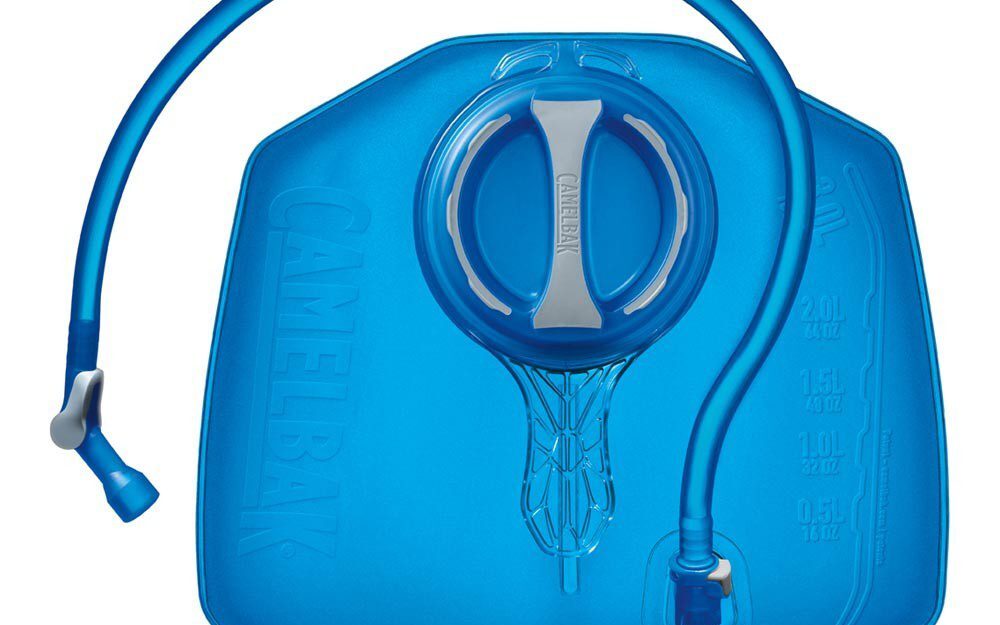
The design of a hydration reservoir allows that precision. With the hose positioned near your shoulder strap, you drink instinctively, not reactively.
In the Gibson Desert, instinctive hydration is a serious advantage.
Inline Filter: The Smart Addition
Desert water sources are unpredictable. Rock holes, cattle troughs, temporary pools after rain, none are guaranteed pristine. Carrying treated water from known sources is ideal, but on extended routes, flexibility matters.
An inline filter installed directly in your hydration reservoir hose allows you to filter water as you drink. That means:
- No separate filtering process
- No decanting into bottles
- No wasted time during peak heat
For a long-haul hike, efficiency is survival. An inline filter ensures your desert hydration system remains adaptable. If you encounter a questionable source, you can refill your hydration reservoir and rely on filtration during use.
Gear nostalgists often favour robust, mechanical solutions. A durable inline filter complements that mindset, practical, field-serviceable and reliable.
Sip Rate Discipline on a Long-Haul Hike
Desert trekkers quickly learn that how you drink matters as much as how much you drink.
On a long-haul hike, aim for: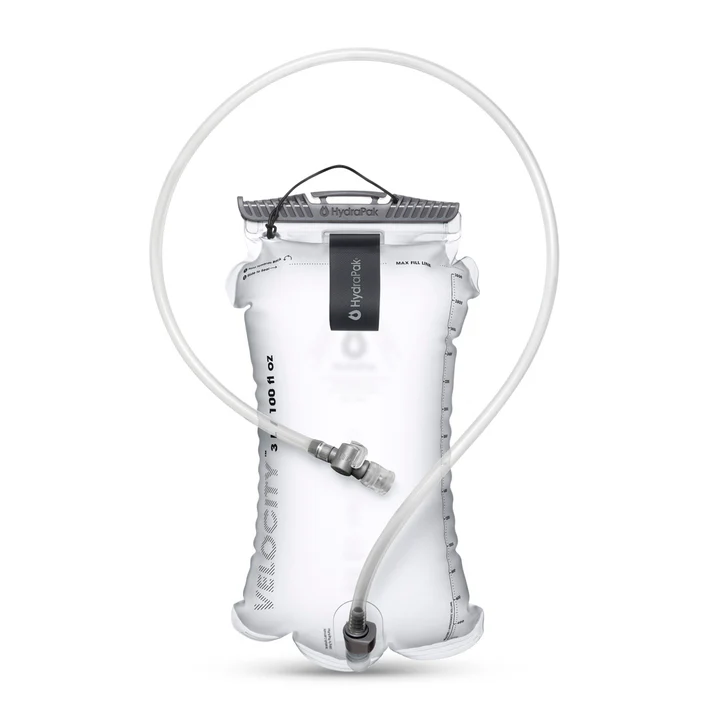
- Regular small sips every 10–15 minutes
- Steady intake before thirst sets in
- Increased frequency during midday heat
A hydration reservoir encourages this discipline. Because access is effortless, you’re more likely to maintain consistent desert hydration.
Stopping frequently to access bottles disrupts pacing and exposes you to additional sun exposure. Staying in motion with a reservoir system improves both momentum and morale.
The Gibson Desert rewards rhythm. The hydration reservoir supports it.
Weight Management and Desert Hydration
Water is heavy. On a long-haul hike, each litre adds significant weight. But distributing that weight correctly improves efficiency.
Positioning a full hydration reservoir close to your back panel keeps your centre of gravity stable. Combined with careful pack organisation, this improves balance across uneven desert terrain.
When paired with additional backup bottles stored lower in your pack, the system enhances desert hydration planning without compromising mobility.
An evenly loaded pack means less sway, less strain and better endurance over vast distances.
Heat Management Hacks
Even the best hydration reservoir can suffer under extreme sun. Desert trekkers use several proven hacks:
- Insulate the hose – Prevent water in the tube from heating rapidly.
- Store the reservoir against shaded pack areas – Reduce direct heat exposure.
- Freeze part of the reservoir overnight – If temperatures allow, start the day cooler.
- Use reflective pack covers – Minimise radiant heat absorption.
These adjustments improve the overall effectiveness of your desert hydration system.
In the Gibson Desert, even minor improvements in water temperature can boost morale significantly during a demanding long-haul hike.
The Psychology of Sip-Without-Stopping
Hydration is not just physiological; it’s psychological.
Stopping repeatedly in extreme heat can feel demoralising. Each pause reminds you of exposure. Each restart demands renewed effort.
A hydration reservoir reduces interruptions. You sip without breaking stride. That steady movement preserves mental momentum.
Over a multi-day long-haul hike, maintaining morale is as crucial as managing water intake. Efficient desert hydration keeps both body and mind steady.
For gear nostalgists who value simplicity and function, this quiet efficiency resonates deeply.
Inline Filter Maintenance in Remote Conditions
An inline filter is only effective if maintained. Desert water often contains sediment. Regular backflushing keeps flow consistent.
Carry:
- A lightweight backflush syringe
- Spare O-rings
- Basic cleaning solution
Routine checks during camp setup protect your desert hydration system. On a long-haul hike, redundancy and preparation prevent minor issues from becoming major setbacks.
Reliability defines desert travel. An inline filter integrated into your hydration reservoir should be treated as critical equipment.
Electrolytes and Reservoir Systems
Water alone may not suffice in extreme heat. Electrolytes play a vital role in desert hydration.
Options include:
- Electrolyte tablets compatible with reservoir use
- Pre-mixed hydration powders
- Separate electrolyte bottle to rotate usage
Be mindful that some additives may require more frequent cleaning of your hydration reservoir to prevent residue buildup.
On a demanding long-haul hike, maintaining electrolyte balance reduces cramping and supports sustained energy output.
Redundancy Without Excess
Gear nostalgists often appreciate redundancy — but not excess.
A practical desert setup may include:
- Primary hydration reservoir
- Secondary collapsible bottle
- Inline filter integrated into the hose
- Backup purification tablets
This layered approach ensures effective desert hydration even if one component fails during a long-haul hike.
The Gibson Desert rewards preparedness, not improvisation.
Camp Strategy and Refilling
Even with a reliable hydration reservoir, planning water sources remains critical.
When reaching a known source:
- Refill all containers
- Filter immediately if required
- Assess the next day’s distance and temperature forecast
- Calculate minimum safe carry volume
Effective desert hydration depends on proactive decisions. The convenience of a reservoir system must never replace sound planning on a long-haul hike.
Lessons from the Red Centre
Experienced desert trekkers often report one recurring insight: dehydration builds silently.
You may not feel thirsty until performance declines. Headaches, fatigue and irritability can appear quickly.
The combination of a hydration reservoir and disciplined sip intervals reduces this risk. Adding an inline filter enhances adaptability across uncertain terrain.
For those undertaking a serious long-haul hike through the Gibson Desert or similar environments, this system supports safer and more consistent desert hydration.
Tradition Meets Modern Utility
Gear nostalgists may prefer canvas packs and time-tested boots. But embracing a hydration reservoir does not betray tradition. It enhances it.
Desert travel has always demanded adaptation. Modern reservoir systems and compact inline filter technology represent evolution, not compromise.
Reliable desert hydration on a long-haul hike requires both heritage mindset and practical tools.
Sip Smart, Walk Strong
The Gibson Desert is not a place for complacency. It demands respect, preparation and disciplined hydration strategy. A well-integrated hydration reservoir, supported by a dependable inline filter, transforms the mechanics of drinking during a long-haul hike. Small, consistent sips maintain balance, and balanced hydration sustains endurance. In desert conditions, stopping less often preserves energy and morale. Effective desert hydration is not dramatic, it is steady, deliberate and controlled.
For gear nostalgists venturing into Australia’s most demanding landscapes, the message is clear: sip without stopping, plan before thirst and trust your system. Offtrack offers hydration systems and hiking gear designed for efficiency, reliability and long-distance performance. Contact us to find the right setup for your next adventure and stay prepared for extreme conditions.
.