Family camping gear gets expensive fast. Start with the pieces that shape the trip.
A first family camping setup can grow into a surprisingly long shopping list.
Tent. Sleeping bags. Mats. Chairs. Tables. Cookware. Lanterns. Storage tubs. Tarps. Gadgets you had never heard of until somebody told you they were essential.
There is a simpler way to build a useful camping kit.
Start with the equipment that keeps your family sheltered, sleeping comfortably enough and able to prepare food. Take a trip. Notice what works and what becomes frustrating. Then spend money fixing those real problems.
That approach usually gives you a more useful setup than trying to build a fully finished campsite before the first weekend away.
Buy these first or the rest of your camping setup won’t help much
Your first purchases should cover shelter, sleep and the basic practical jobs around camp.
Extra furniture and accessories can improve comfort, but they are easier to judge after you have camped a few times. A tent that does not suit the family or sleeping gear that leaves somebody cold is much harder to work around.
| Priority | Buy first | Usually safe to add later |
| Shelter | Tent suited to family size and expected conditions | Tarps and specialist shelter accessories |
| Sleep | Sleeping bags and sleeping mats | Premium sleep accessories and comfort upgrades |
| Cooking | Basic cooking equipment, utensils and storage | Specialist cookware and expanded kitchen setups |
| Comfort | Essential lighting and weather protection | Chairs, tables and larger furniture systems |
| Organisation | Basic food and water storage | Premium tubs, organisers and storage systems |
Start with a tent that fits your family and the way you camp
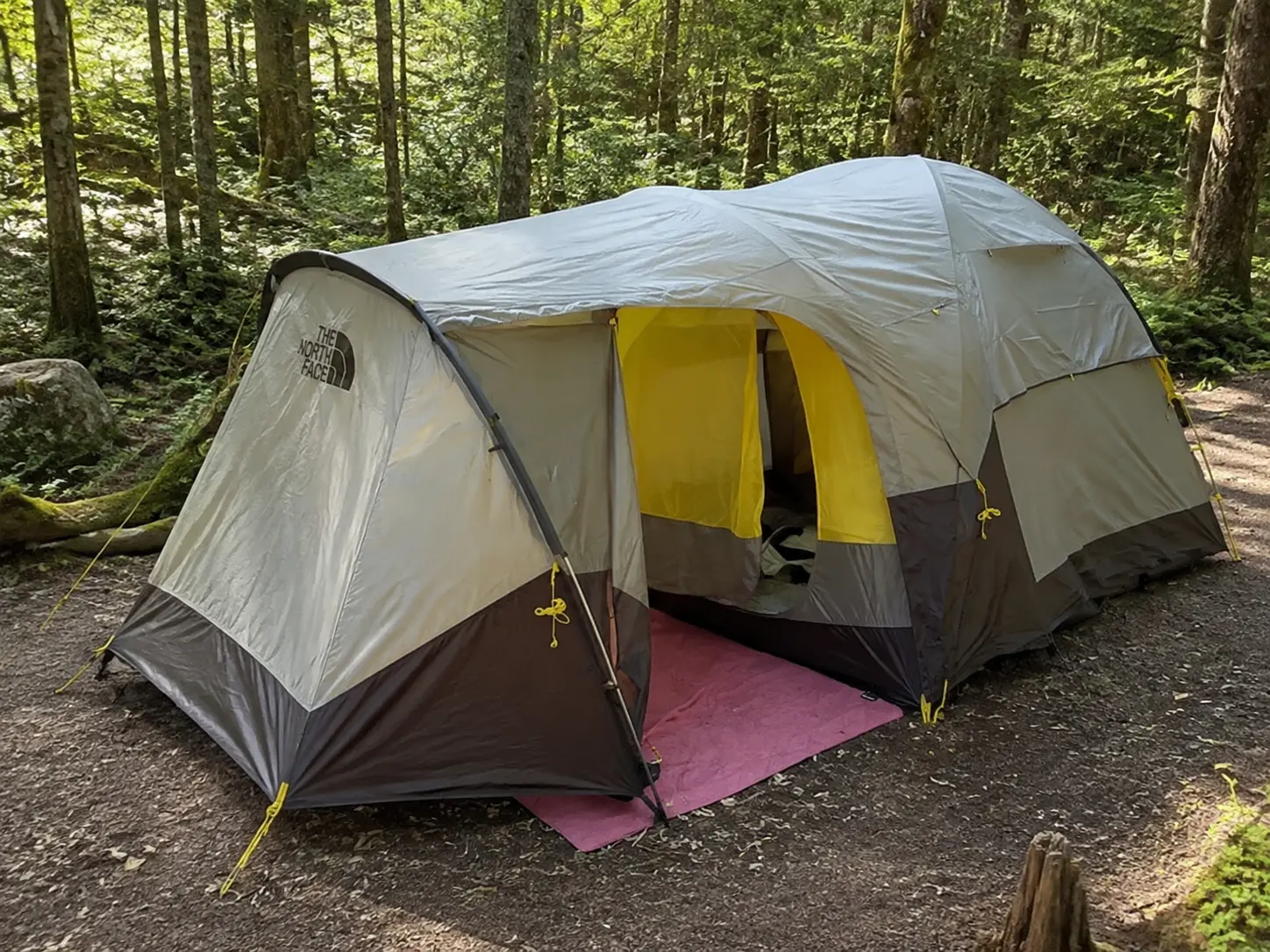
Tent shopping can quickly become a numbers exercise. Four people equals a four-person tent, right?
Sometimes. In practice, the label only tells part of the story.
Think about how much floor space your family needs once sleeping mats, bags and personal gear are inside. Consider headroom, whether children need space to move around, how easily the tent pitches and how much room it takes up in the car.
Weather and trip style also influence the decision. A family staying beside the car at an established campground can prioritise space and convenience. A setup carried any meaningful distance needs greater attention to packed size and weight.
Choose around the trips you are most likely to take. Buying a highly specialised shelter for conditions you rarely encounter can absorb budget that would be more useful elsewhere.
Get the sleep system right before adding camp luxuries
A good night’s sleep affects the whole family the next day.
Sleeping bags should suit the temperatures you realistically expect to encounter, with some allowance for people who feel the cold more than others. The mat underneath deserves equal attention because it provides cushioning and helps reduce heat loss to the ground.
Insulation choice can also shape the purchase. Down sleeping bags generally offer strong warmth for their packed weight and compress well. Synthetic insulation can make sense for damper conditions and often provides a more accessible entry point for families watching the budget.
Neither insulation type is automatically better. Choose according to expected weather, packed size, budget and how you normally camp.
For children, fit and temperature suitability deserve more thought than simply handing down an oversized adult bag. A sleeping system should work for the person using it.
Your first camping kitchen can be much simpler than you think
Camp kitchens have a habit of expanding.
One saucepan becomes a cookware set. Then comes the coffee setup, storage system, folding kitchen, additional stove, washing station and enough utensils to cater a small festival.
For a first trip, plan the menu before buying the kitchen.
Buy cookware around the meals you plan to make
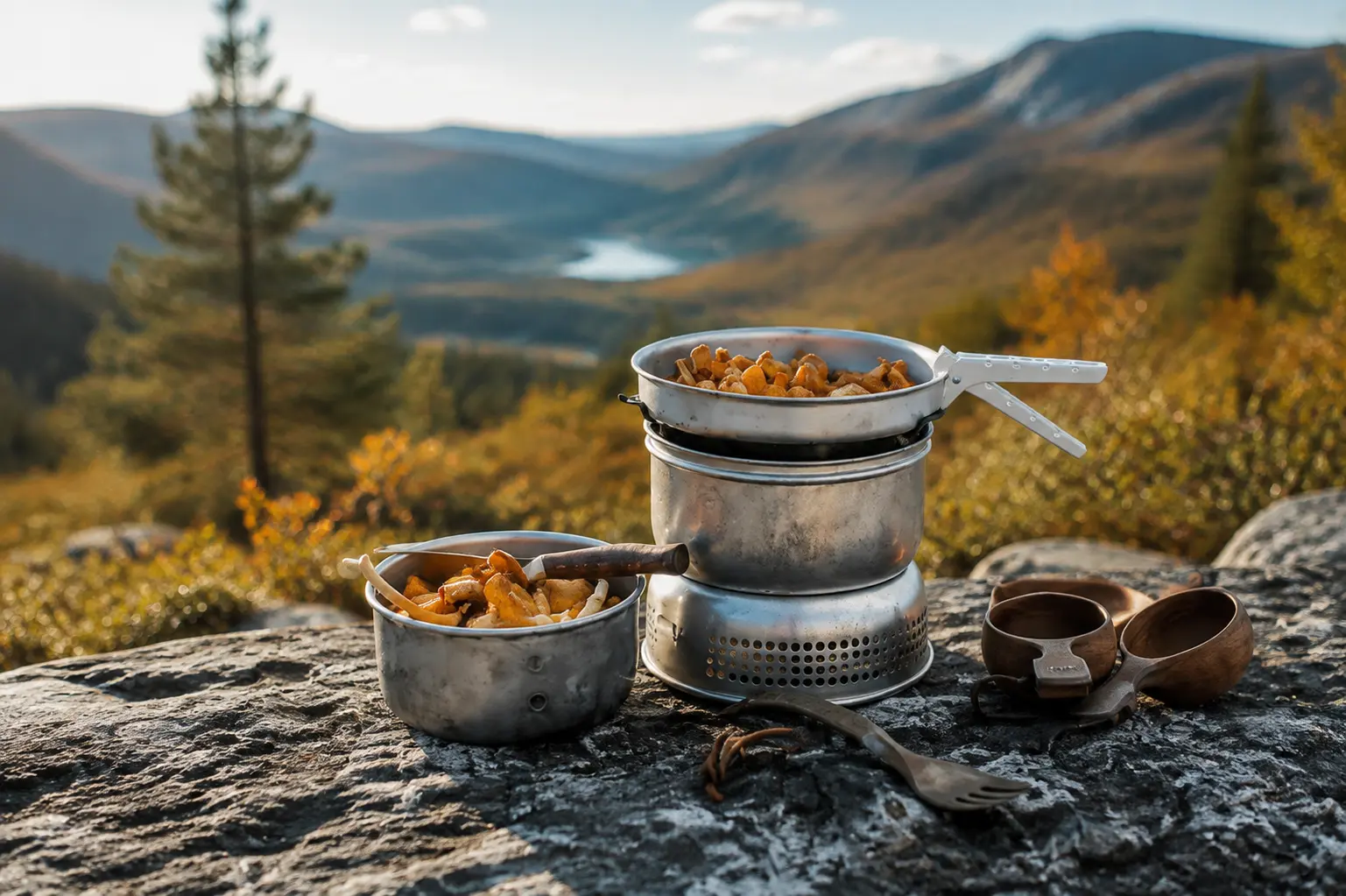
A practical starter setup usually revolves around a suitable cooking method, a small amount of cookware, eating utensils, food storage, water storage and cleaning basics.
Simple meals need simple equipment.
Think about what your family already likes eating and how much preparation you are willing to do at camp. A weekend built around easy breakfasts, sandwiches and one-pot dinners has very different equipment demands from a trip centred on elaborate campsite cooking.
The Kitchen & Pantry range is useful once you know those requirements because you can build the cooking setup around the meals rather than working backwards from a pile of equipment.
The stove and fuel system also need to suit the camping environment and your planned use. Follow the manufacturer’s operating and safety instructions, and check any local fire or fuel restrictions before the trip.
Spend on comfort after shelter, sleep and food are sorted
Camp furniture can transform a campsite, especially with children. It can also take up a remarkable amount of vehicle space.
Treat most furniture as the next layer of the setup rather than the first.
Camp chairs are worth buying once you know what comfort means for your family
For some families, chairs become an immediate favourite. For others, packed size becomes more annoying than sitting on a picnic bench for a weekend.
Look at seat height, support, packed dimensions, weight and the size of the person using the chair. Children may need something different from adults, while a family travelling in a smaller vehicle may place much more value on compact designs.
A premium chair is useful if its features solve a real problem for you. Price alone does not tell you whether it belongs in your camping kit.
Tables, storage and extra furniture can grow with the campsite
A table is convenient, particularly at campsites without picnic facilities. Storage systems can also make family camping far less chaotic.
Neither needs to become a major project before trip one.
Take note of what keeps getting misplaced, which jobs become awkward and how much clear workspace your family actually uses. One weekend can tell you more about your storage needs than an hour studying somebody else’s camping checklist.
Use first. Upgrade second.
These camping extras can usually wait
Plenty of camping equipment is useful without being necessary from day one.
Extra lanterns, specialised cooking tools, extensive camp furniture, premium storage systems and comfort accessories can all improve the experience. Their value becomes easier to judge once you have a few nights outdoors behind you.
The same applies to specialised equipment designed for particular environments. Buying for trips you have not planned can inflate the first shopping trip unnecessarily.
A better upgrade question is simple: what annoyed us last time?
Perhaps somebody was cold. The tent entrance became crowded. Food preparation was awkward. The chairs hurt after an hour. Nobody could find the torches.
Those observations give you a much sharper shopping list.
Match your camping gear to the trip your family is actually taking
Your campsite, weather and transport should shape what you buy.
Camping is already a significant part of domestic travel in Australia. Tourism Research Australia recorded 17.3 million caravan and camping overnight trips in 2025, representing almost one in every seven domestic overnight trips. With 87% of caravan and camping nights spent in regional Australia, the conditions, access and facilities families encounter can vary considerably from one trip to another.
Campsite access and weather can change the whole checklist
If you normally camp beside the car, packed weight matters less and you can prioritise a roomier tent, thicker sleeping mats and more comfortable furniture.
A walk-in campsite creates a different equation. Packed weight and volume suddenly influence nearly every purchase.
Weather changes the checklist too. Cold trips demand more from sleeping bags, mats and clothing. Hot conditions make ventilation, shade and water storage more important. In wet weather, shelter design and keeping clothes and bedding dry become bigger priorities.
Trip length also matters. You can keep an overnight setup relatively simple. Several days away may justify better storage, cooking, lighting and power management.
Buy for the trips already on your calendar, not the expeditions you might take one day.
Put more of the budget into gear that is difficult to compromise on
A camping budget does not need to be spread evenly across every category.
Give more attention to items that directly affect shelter, sleep and safe use. Decorative upgrades and convenience items can follow.
That does not mean automatically buying the most expensive tent or sleeping bag available. It means choosing something appropriate enough that you are not replacing it immediately because it never suited the trip in the first place.
A three-tier family camping checklist makes buying easier
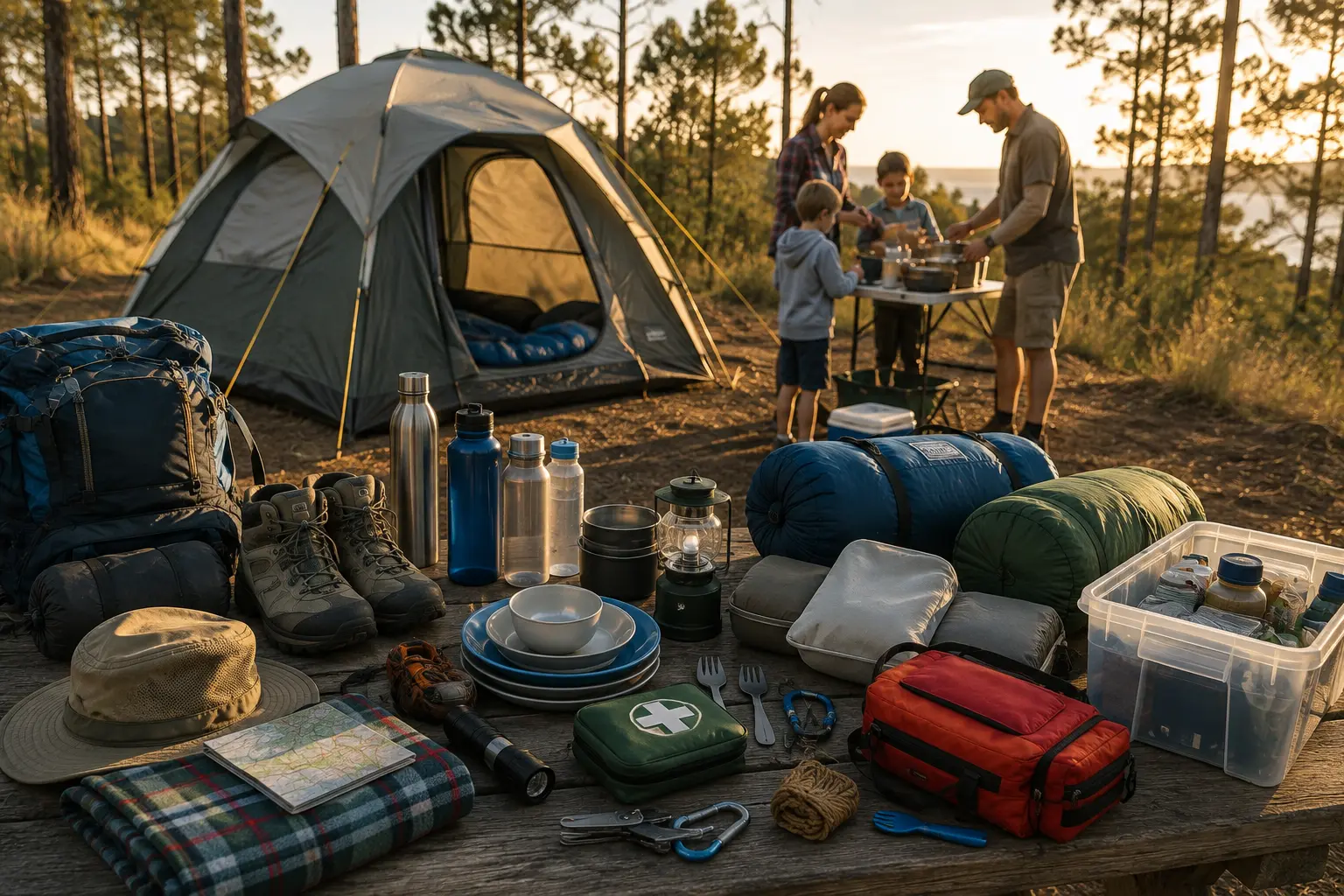
Here is the order we would use for a new family setup.
Must buy before the first trip
- A tent suited to your family size and expected conditions
- Sleeping bags suitable for expected temperatures
- Sleeping mats
- Reliable lighting
- Basic cooking equipment
- Food and water storage
- Appropriate clothing and weather protection
- Basic first aid and safety equipment
Nice to have once the basics are covered
Camp chairs, a table, extra lighting, better storage and additional kitchen equipment can make family camping more comfortable and organised.
Choose them according to the campsite and the space available in your vehicle.
Upgrade after you have camped a few times
This is where specialist cookware, premium furniture, lighter equipment, more sophisticated organisation systems and activity-specific gear begin to make sense.
At that stage, you know your family’s habits. You are buying answers to real problems rather than guesses.
The questions that can save you from buying the wrong camping gear
How big should a family camping tent be?
Look beyond the advertised sleeping capacity. Allow room for sleeping mats, bags, clothing and the amount of personal space your family needs to remain comfortable.
Families staying at vehicle-access campsites often appreciate some extra room, provided the tent still fits their transport and campsite.
Do kids need different sleeping bags from adults?
Often, yes. Size, warmth and comfort should suit the individual sleeper.
An oversized bag can leave more internal space to warm, so choosing a sleeping bag that fits the child and expected conditions is worth considering.
Should we spend more on the tent or the sleeping bags first?
Both deserve a meaningful share of the budget because poor shelter and poor sleep are difficult to compensate for at camp.
The balance depends on your conditions and what you already own. A family camping mainly in mild weather may have different priorities from one planning regular cold-weather trips.
How do we avoid buying camping gear we barely use?
Shop for trips already on the calendar rather than trips you might take one day.
Build the setup gradually and let experience guide the next purchase. If you are unsure between several options, getting advice before buying can also save an expensive round of trial and error.
Start with the gear that gets your family out there
The best first camping setup is rarely the biggest one.
Cover shelter, sleep, cooking, water, weather protection and basic safety. Add the comfort pieces that make sense for your family. Leave specialised upgrades until you have enough campsite experience to know exactly what they will improve.
That keeps the budget focused and gives your gear collection room to grow with the way you camp.
If you are putting together a family setup and want help choosing the right gear, explore our Camp & Hike, Camp Furniture and Kitchen & Pantry ranges. You can also contact us and tell us about your family, the conditions you expect and the trips you are planning so we can help narrow down the options.