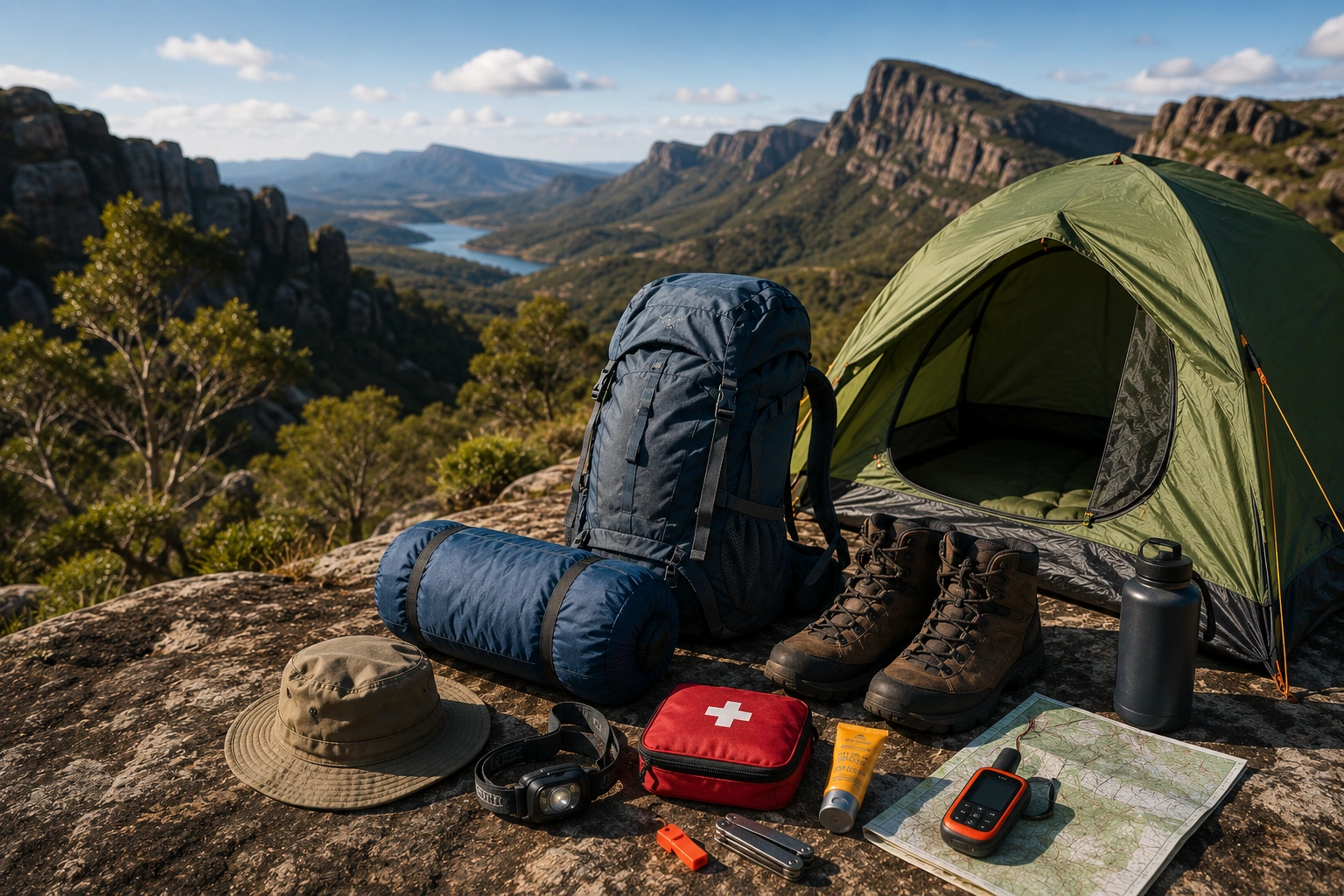
A camping and hiking weekend in the Grampians usually needs two separate setups: one for the campsite and one for the trail.
Your basecamp gear should keep you sheltered, warm and comfortable overnight. Your day walk kit should stay light enough to carry while covering water, food, navigation, changing weather and basic first aid.
Separating the two makes packing easier, reduces unnecessary weight and helps you avoid leaving important gear behind.
Split your gear into basecamp and day walk kits
Trying to pack one oversized kit for the entire weekend often creates the wrong compromises.
A campsite setup can include bulkier equipment because most of it stays in one place. Your hiking backpack needs a more disciplined approach. Every item should support the walk, the conditions or your safety.
Before packing, decide what kind of weekend you are planning:
- A comfortable campground stay with a few short walks
- A hiking focused trip with a simple overnight setup
- A family camping weekend with lookouts and easy trails
- A mixed trip with longer day walks and relaxed evenings at camp
Your plans will determine how much priority you give to campsite comfort, pack weight and trail equipment.
Grampians basecamp packing checklist
Your basecamp kit should help you sleep well, manage changing conditions and recover between walks.
Tent and shelter
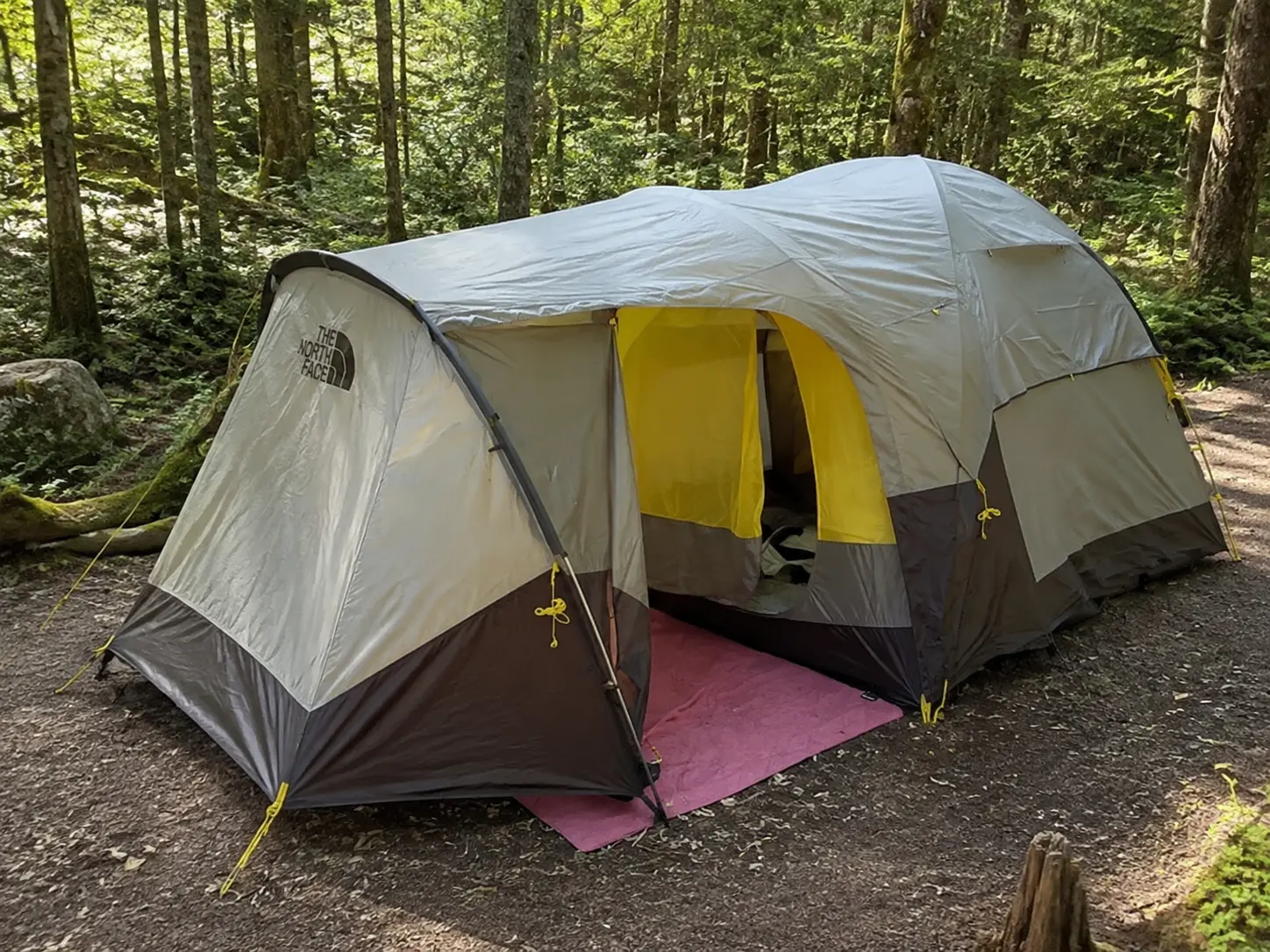
Choose a tent that suits the number of people, the campsite and the conditions you may encounter.
Pack:
- Tent
- Tent poles
- Pegs
- Groundsheet or footprint
- Guy lines
- Peg mallet, if needed
- Small tent repair kit
Do not choose a tent by capacity alone. Check whether it offers enough ventilation, weather protection and usable space for your group.
A larger tent may suit a family or comfort focused weekend. A lighter, simpler shelter may make more sense when hiking is the main priority.
Sleeping bag and sleeping mat
Do not treat sleep equipment as an afterthought. A poor night’s sleep can make the next day’s walk feel much harder.
Pack:
- Sleeping bag suited to the expected overnight conditions
- Insulated sleeping mat
- Pillow or compact camp pillow
- Sleeping bag liner, if useful
- Warm sleepwear
- Spare dry socks
Check the sleeping bag’s comfort rating rather than relying only on its headline temperature rating. Your sleeping mat also matters because it reduces heat loss to the ground.
Choose equipment for the likely conditions, not the mildest possible forecast.
Camp lighting
A head torch is useful at both camp and on the trail.
Pack:
- Head torch
- Camp lantern
- Spare batteries or charging cable
- Power bank
Keep your head torch somewhere easy to reach before it gets dark.
Cooking, food and water
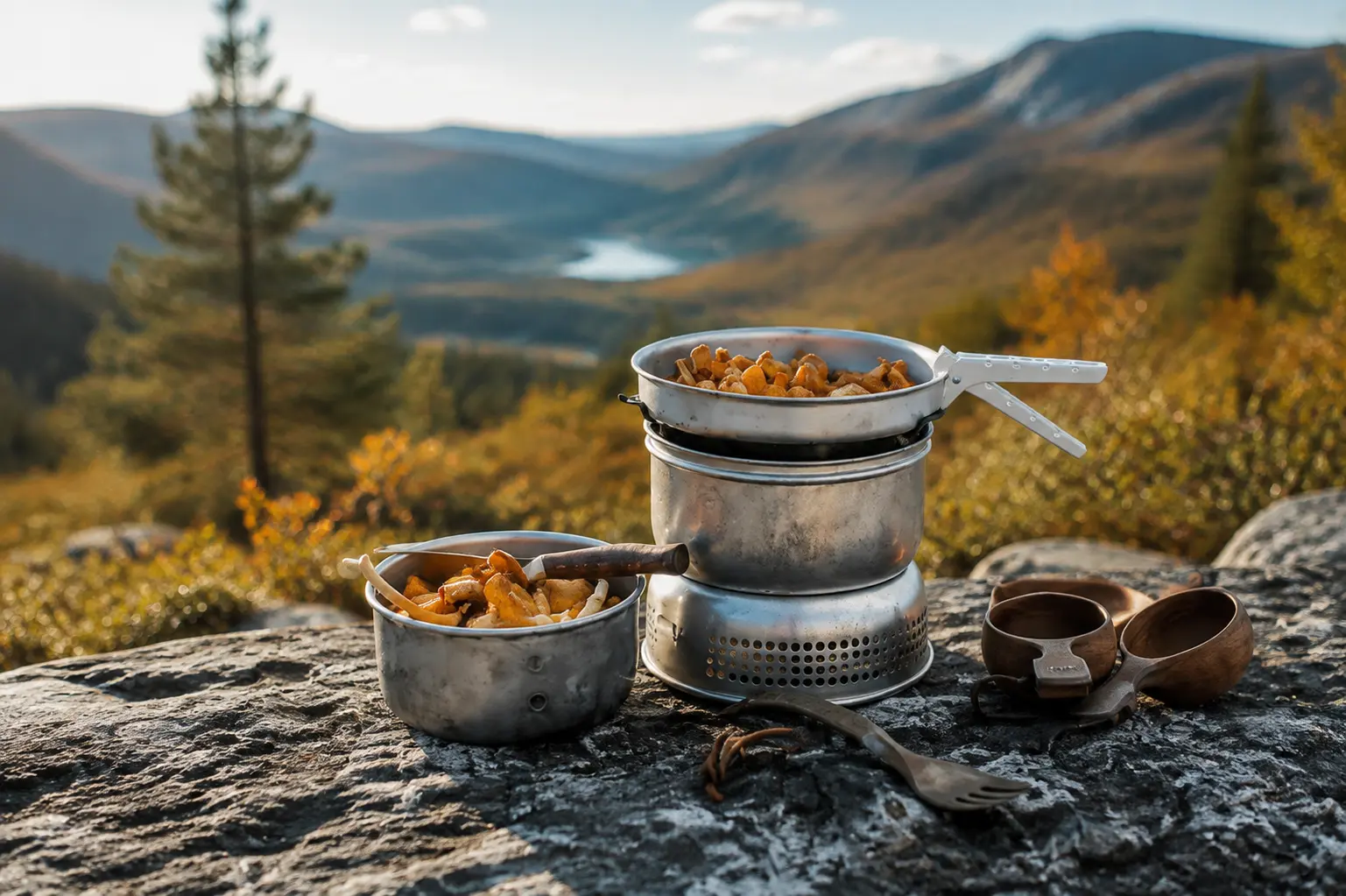
Your setup will depend on the campsite facilities and how much cooking you plan to do.
Consider packing:
- Camp stove
- Fuel
- Lighter or matches stored in a dry container
- Cookware
- Plates, bowls and cutlery
- Mug
- Food storage containers
- Rubbish bags
- Tea towel
- Biodegradable washing supplies where appropriate
- Drinking water or suitable water storage
- Cooler or insulated food bag
Plan meals before leaving. This reduces excess food, forgotten equipment and unnecessary packaging.
Campsite comfort
Comfort items are optional, but they can make a major difference during longer evenings or family trips.
Depending on your plans, pack:
- Camp chairs
- Small table
- Shade shelter
- Warm blanket
- Insect protection
- Toiletries
- Quick dry towel
- Weatherproof storage tubs
Keep comfort equipment proportionate to the trip. There is little value in filling the car with bulky items you will barely use.
Grampians day walk packing checklist
Your hiking backpack should carry what you need for the walk, not overflow from the campsite.
A smaller, well organised daypack will usually feel better than a large bag filled with unnecessary extras.
Backpack
Choose a daypack that fits comfortably and holds the essentials without encouraging overpacking.
Useful features may include:
- Adjustable shoulder straps
- Supportive hip belt
- Easy access pockets
- Hydration compatibility
- Rain cover
- Secure internal storage
Pack heavier items close to your back and keep frequently used items easy to reach.
Water and food
Carry enough water for the route, expected conditions and everyone in your group.
Pack:
- Water bottles or hydration reservoir
- Snacks
- Lunch for longer walks
- Electrolytes, if appropriate
- Emergency food
According to Parks Victoria, hikers should carry at least 3–4 litres of water per person for a full day hike. On longer sections of the Grampians Peaks Trail, the recommendation increases to 4–6 litres per person per day, particularly during warmer conditions.
Do not assume water will be available on the track. Plan your supply before leaving camp.
Clothing and weather protection
Conditions can change during a walk, so pack layers rather than relying on one heavy item.
Your daypack should usually include:
- Waterproof jacket
- Warm mid layer
- Sun hat
- Sunscreen
- Sunglasses
- Spare socks
- Gloves or beanie in cooler conditions
Wear comfortable hiking clothes that allow you to move freely. Avoid relying on cotton layers in cool or wet conditions because they can stay damp for longer.
Footwear
Wear footwear suited to the track, the distance and your experience.
For easier walks, supportive walking shoes may be enough. Rougher or longer routes may justify hiking shoes or boots with stronger grip and support.
Before the trip:
- Wear new footwear in
- Check the soles for damage
- Choose suitable hiking socks
- Pack blister treatment
Good footwear will not remove every risk, but it can improve comfort and control on uneven ground.
Navigation and communication
Do not rely entirely on mobile reception.
Carry:
- Offline map or downloaded route
- Paper map where appropriate
- Fully charged phone
- Portable power bank
- Emergency contact details
- Whistle
Tell someone where you are going, which route you plan to take and when you expect to return.
For longer, quieter or more remote walks, consider whether an emergency communication device is appropriate for your group.
First aid kit
Do not leave all your first aid supplies at the campsite. Carry a compact trail kit in your daypack so you can deal with minor injuries when they happen.
For most day walks, consider including:
- Adhesive bandages
- Blister dressings
- Sterile gauze
- Medical tape
- Antiseptic wipes
- Elastic bandage
- Pain relief
- Personal medication
- Tweezers
- Disposable gloves
Keep a larger kit at camp for overnight use. Check both kits before leaving and replace expired or damaged items.
Trekking poles
Trekking poles can be useful on steep, uneven or slippery sections. They may also improve stability and reduce some of the strain during long descents.
They are not essential for every short walk, but they can be worthwhile when:
- The route includes steep climbs or descents
- The ground is rough or wet
- You are carrying more weight
- You have joint or balance concerns
- You expect to walk for several hours
Choose adjustable poles and set them up before starting the walk.
What stays at camp and what goes in the daypack?
Use this checklist as a starting point.
| Basecamp gear | Day walk gear |
| Tent, poles and pegs | Hiking backpack |
| Sleeping bag | Water |
| Sleeping mat | Food and snacks |
| Camp stove and cookware | Waterproof jacket |
| Bulk food | Warm layer |
| Camp chairs and table | Navigation |
| Lantern | Phone and power bank |
| Larger first aid kit | Compact first aid kit |
| Toiletries | Sun protection |
| Spare clothing | Head torch |
| Camp repair supplies | Trekking poles, if needed |
Some items may move between both kits, but avoid unpacking and repacking the same equipment every morning. Keep your day walk essentials together so you can leave camp without forgetting anything important.
How to pack for different Grampians weekends
Campground weekend with short walks
Prioritise campsite comfort and sleep quality.
Bring a practical tent, a suitable sleeping bag, a good sleeping mat and the cooking equipment you need. Keep the daypack light and focused on water, weather protection, food, navigation and first aid.
Hiking focused weekend
Keep the campsite setup simple and efficient.
Pay more attention to pack fit, footwear, water capacity, weather layers and trail equipment. Trekking poles may also be useful if your planned routes include steeper or rougher sections.
Family camping and lookout walks
Build the trip around an easy campsite routine.
Prioritise shelter, sleeping comfort, food storage, lighting and spare clothing. Use smaller daypacks for short walks and make sure children have suitable water, sun protection and warm layers.
Avoid packing as though everyone will be completing the same route or carrying the same equipment.
Four questions to ask before you leave
Are you mostly camping or mostly hiking?
This determines whether campsite comfort or trail efficiency should lead your choices.
What conditions should you prepare for?
Check the latest weather, park alerts, track conditions and fire restrictions before travelling. Adjust your clothing, water and route plans accordingly.
Can you leave your bulky gear securely at camp?
When your gear can stay at the campsite, keep your trail setup separate and light. When you need to carry more, prioritise compact and multi purpose equipment.
What is essential for this trip?
Pack for your actual route, group and campsite rather than adding equipment for every possible scenario.
A written checklist helps you remove unnecessary duplication without cutting safety critical items.
Check your equipment before the trip
Do not discover damaged gear after arriving.
Before leaving:
- Pitch the tent
- Check poles, pegs and zips
- Test the stove
- Charge lights and devices
- Inspect backpacks and footwear
- Check first aid expiry dates
- Confirm sleeping bag and mat condition
- Download maps
- Review weather and park information
- Share your plans with someone at home
A short equipment check can prevent a minor problem from disrupting the entire weekend.
Pack for the Grampians weekend you are actually doing
The best setup is not the longest packing list. It is the one that gives every item a clear purpose.
Pack your campsite for shelter, sleep and recovery. Pack your day walk kit for movement, changing conditions and safety. Keep bulky comfort gear at camp and carry only what supports the walk.
Browse our camping and hiking gear for tents, sleeping equipment and campsite essentials. You can also compare packs and hiking accessories to build a lighter, more practical trail setup.
Need help choosing what belongs at camp and what should go in your daypack? Contact our team before your trip.
Frequently asked questions
What should I pack for a Grampians camping and hiking weekend?
Pack in two parts. Your basecamp kit should cover shelter, sleeping, cooking, lighting and overnight comfort. Your day walk kit should include water, food, weather layers, navigation, first aid and sun protection.
What size backpack do I need for a Grampians day walk?
Choose a pack that fits the equipment required for the walk without leaving large amounts of unused space. Fit and organisation are usually more important than choosing the largest capacity.
Are trekking poles worth bringing?
They can be useful on steeper, rougher or slippery routes, particularly during longer descents. They may be unnecessary for short, easy walks.
How warm should my sleeping bag be?
Choose a sleeping bag with a comfort rating suited to the expected overnight conditions. Also use an insulated sleeping mat, as warmth depends on the complete sleep system rather than the bag alone.
What should I carry in a hiking first aid kit?
A compact kit may include blister treatment, bandages, sterile gauze, tape, antiseptic wipes, an elastic bandage, personal medication and pain relief. Adjust the contents for your route and group.
How much water should I carry?
The amount depends on the route, temperature, distance and your group. Check the walk before leaving and do not rely on finding water along the track.
How can I avoid overpacking?
Separate basecamp gear from trail gear, use a written checklist and remove duplicated items that do not serve a clear purpose. Do not remove essential water, weather, navigation or safety equipment simply to reduce weight.
What changes when camping with family?
Family trips often need more campsite comfort, spare clothing, food storage and lighting. Trail plans may be shorter, so keep the walking kit simple and adjust it to each person’s needs.
Meta description: Plan a Grampians camping and hiking weekend with a practical checklist for tents, sleeping gear, daypacks, clothing, first aid and trail essentials.