Few things dampen the spirit of a camping trip faster than waking to a rainstorm inside your tent that never fell from the sky. Condensation is the silent enemy of comfortable nights, soaking sleeping bags, dripping onto faces, and turning mornings into chilly chores. Yet most condensation problems are preventable with a little knowledge and smart ventilation habits.
Understanding why moisture forms is the first step toward beating it. Every breath you exhale releases warm, humid air. Cooking, wet clothing, and damp ground add more. When this moisture meets cold tent fabric, it condenses into droplets. The goal is not to eliminate moisture completely but to manage it so the interior stays dry and livable.
The Science Behind the Drips
Warm air holds more moisture than cold air. As night temperatures fall, the air inside a tent cools and its capacity to retain water decreases. The excess becomes liquid on the coolest surfaces, usually the flysheet or single-wall fabric. The Australian Bureau of Meteorology explains that condensation occurs when air cools to its dew point and can no longer retain all its moisture, causing water vapour to turn into liquid on cooler surfaces such as tent walls.
This process is natural, not a design flaw. Even premium tents will collect moisture if ventilation is poor. The difference between a damp and dry morning lies in how well that moist air can escape.
Ventilation Beats Insulation
Many campers instinctively seal every opening to stay warm. Unfortunately this traps moisture and guarantees condensation. A small, controlled airflow is far more effective than turning the tent into a plastic bubble.
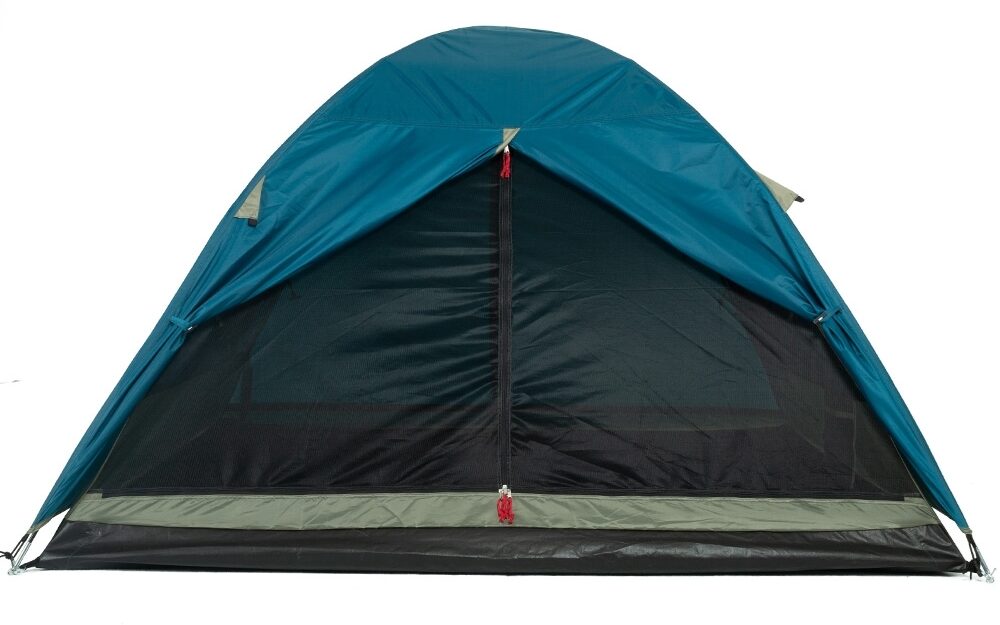
Most modern shelters include high and low vents for a reason. Warm air rises, so upper vents release moisture while lower openings draw in cooler, drier air. Using both creates a gentle chimney effect that works through the night.
Pitching for Success
Where and how you pitch your tent influences condensation more than any gadget. Choose ground with natural airflow rather than sheltered hollows. Avoid camping directly beside streams where humidity is higher.
Orient the tent so prevailing breezes pass across vents. Even a light wind can carry moisture away before it forms droplets. Four-season campers quickly learn that location is as important as equipment.
The Flysheet Gap Trick
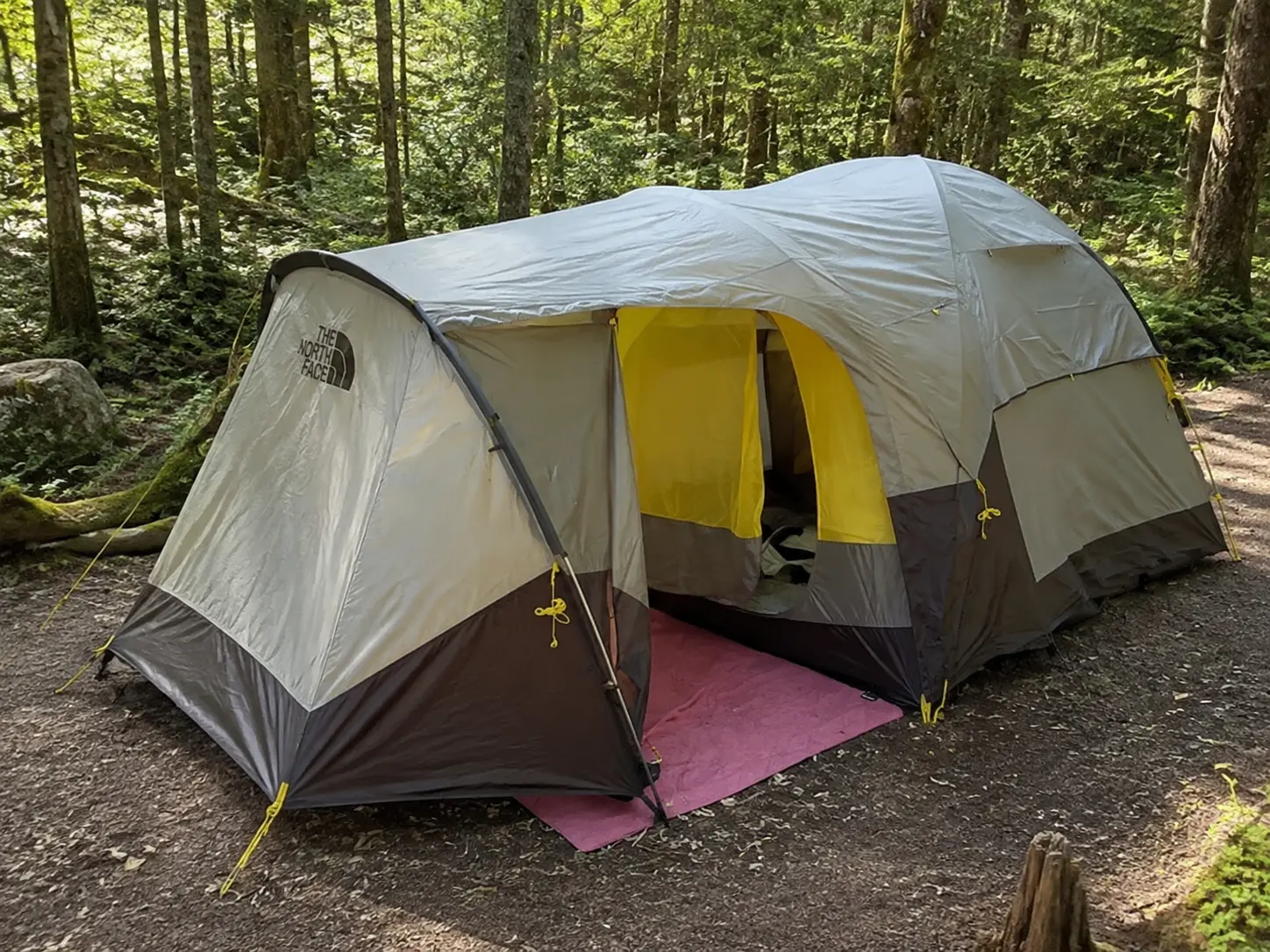
With double-wall tents, maintaining a gap between inner and outer layers is crucial. If the two touch, moisture transfers directly to the sleeping area. Tension the flysheet properly and use all available guylines to keep fabrics separated.
In calm weather, slightly lifting the flysheet hem creates extra airflow without letting rain blow inside. Small adjustments make big differences.
Managing Moisture Sources
Condensation control begins before you crawl into the sleeping bag. Wet boots, damp jackets, and snow-covered packs release litres of moisture overnight. Store these items in vestibules or sealed dry bags whenever possible.
Cooking inside a tent is a major culprit. If conditions require it, keep doors partially open and use the highest vent settings. Better still, prepare meals in the vestibule or outside under a tarp.
Breathing Room for Bodies
Humans produce significant moisture simply by sleeping. Two people can release more than a litre of water during the night. Opening vents feels counterintuitive in cold weather, yet the resulting airflow usually keeps the interior warmer and drier than a sealed tent.
If wind is strong, open the leeward vents to prevent drafts while still allowing exchange.
Wiping Before Dawn
On still nights some condensation is inevitable. Carrying a small microfibre cloth allows you to wipe interior surfaces before packing up. Removing that moisture early prevents it soaking into sleeping bags as you move around.
This simple habit adds minutes to the morning routine but saves hours of drying later.
Single-Wall Shelter Strategies
Tarps and single-wall tents are more prone to condensation because there is no inner layer to catch drips. For these shelters, ventilation is even more critical. Pitch doors wide when weather allows and prioritise breezy campsites.
Using a bivvy bag or water-resistant sleeping bag shell provides an extra barrier between you and any droplets that form.
Cold-Weather Considerations
In winter, condensation can freeze into frost on the inner surface. While this may look dramatic, it is often easier to manage than liquid water. Shake the shelter gently before packing to remove ice crystals.
Avoid exhaling directly toward the fabric. Some campers use lightweight frost liners that capture moisture and can be dried separately.
Gear That Helps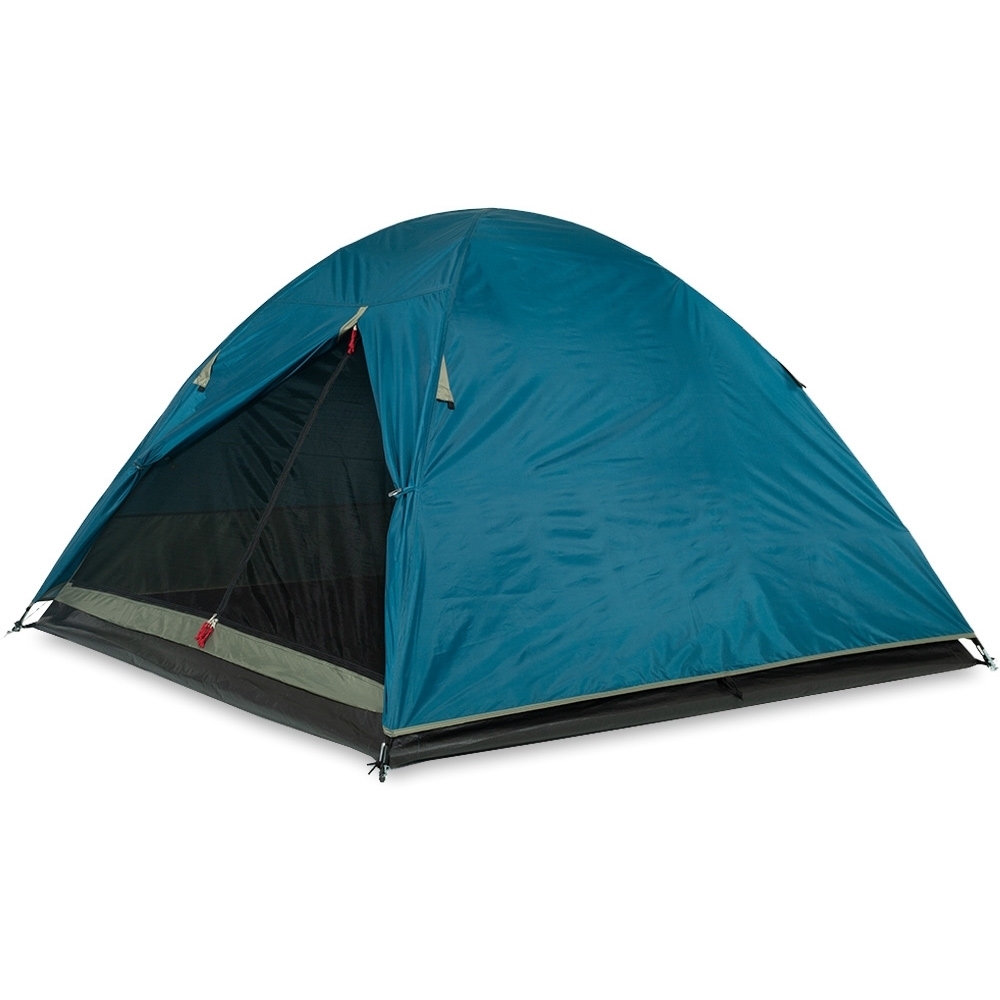
Several pieces of equipment support condensation control:
- Adjustable vent tents with multiple openings
- Breathable bivvy bags for single-wall setups
- Groundsheets that reduce rising damp
- Microfibre towels for quick wiping
- Silica gel packs for small enclosed spaces
None replace good habits, but they make the process easier.
Common Mistakes to Avoid
- Sealing all vents on cold nights
- Pitching in low, damp ground
- Letting inner and flysheet touch
- Cooking with doors closed
- Storing wet gear inside the sleeping area
Recognising these pitfalls prevents most problems before they start.
Reading the Weather
Clear, calm nights create the worst condensation because temperatures drop sharply and there is little air movement. Expect heavier moisture under these conditions and open vents accordingly.
Windy or overcast nights often produce surprisingly dry mornings even in cool temperatures.
Packing Up Smart
If the tent is damp at sunrise, air it while you eat breakfast. Turning the shelter inside out in the sun for a few minutes can remove most moisture. Packing a wet tent repeatedly leads to mildew and unpleasant odours.
Four-season campers carry lightweight stuff sacks so the fly can be stored separately from dry gear.
Teaching the Next Generation
Sharing these skills with new campers builds confidence. Many beginners blame equipment when simple technique would solve the issue. A few practical lessons transform their experience from soggy to comfortable.
Embracing Realistic Expectations
No method eliminates condensation entirely in every condition. The goal is to minimise it to a manageable level. Experienced campers accept a little moisture as part of outdoor life while ensuring it never threatens warmth or safety.
With the right approach, mornings can be fresh rather than frustrating.
Dry Nights, Better Adventures
Condensation should never dictate the quality of a trip. By understanding airflow, choosing smart campsites, and using vents effectively, four-season campers can wake up dry even after long, cold nights. These habits weigh nothing yet deliver enormous comfort.
Outdoor skills are often about small details repeated consistently. Mastering moisture management is one of the most rewarding.
Ready to keep your shelter dry in any season?
Find tents, bivvies, tarps, and smart ventilation accessories designed for real-world camping at Offtrack.
1. Why does condensation form inside a tent?
Condensation forms when warm, moist air inside the tent cools and reaches its dew point, causing water vapour to turn into liquid on cold tent surfaces such as the flysheet or walls.
2. How can I reduce condensation in my tent overnight?
Use both high and low vents to create airflow, avoid pitching in damp low-lying areas, store wet gear outside the sleeping area, and keep the flysheet properly tensioned to maintain separation from the inner tent.
3. Is it better to close all tent vents in cold weather?
No. Closing all vents traps moisture and increases condensation. A small, controlled airflow keeps the interior drier and often feels warmer than a sealed tent filled with damp air.
4. Are single-wall tents more prone to condensation?
Yes. Single-wall tents and tarps are more susceptible to condensation because there is no inner layer to separate moisture from the sleeping area. Good ventilation and campsite selection are especially important with these shelters.
5. What is the best way to dry a tent after a damp night?
If possible, air the tent in the morning sun before packing. Wipe interior surfaces with a microfibre cloth and, if necessary, pack the flysheet separately to prevent moisture spreading to dry gear.