Winter camping in Tasmania is stunning but unforgiving. Between the alpine gusts of Cradle Mountain and the early morning frost of Mount Field, the wrong sleeping setup can mean a miserable night. Choosing the right temperature-rated sleeping bag is not just about comfort. It is your frontline defence against cold-related fatigue, poor sleep and potential risk.
This guide will walk you through what temperature ratings actually mean, how to match a bag to real Tasmanian conditions, and what features truly matter when the mercury drops below zero. Whether you are hitting Lake St Clair for a remote hike or car camping near Bruny Island, your sleep system needs to match the mission.
Let us help you find the sleeping bag that turns frosty nights into restful, warm recoveries.
Why picking the right sleeping bag is critical for winter camping in Tasmania
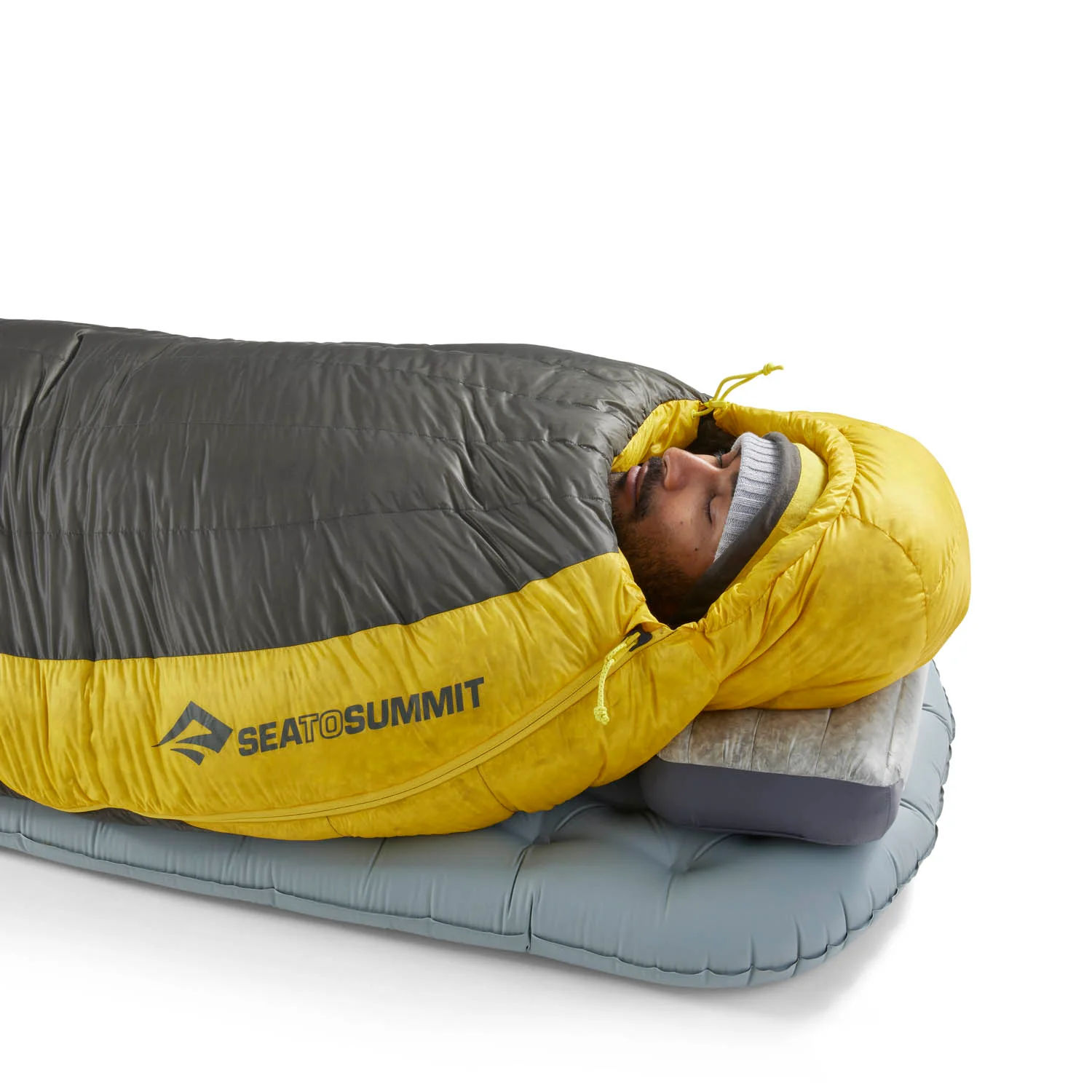
Understanding temperature ratings is key to staying warm, but it is also one of the most misunderstood aspects of buying a sleeping bag. Many assume that if a bag is rated to -5°C, it will keep them toasty in -5°C. Not quite. These ratings, based on EN or ISO standards, offer multiple benchmarks: comfort, limit, and extreme.
The comfort rating is where most people sleep warm without extra layers. The lower limit suits seasoned campers who sleep warmer, and the extreme rating represents survival mode, not comfort. For Tassie’s winter nights, you want your comfort rating to align with expected overnight temperatures.
A bag with a -5°C comfort rating might have a -12°C extreme rating, but unless you enjoy shivering in your thermals, trust the comfort spec. In Tasmania’s alpine areas, sub-zero overnight lows are common between May and September. Add windchill and humidity, and even the highlands can feel like the deep freeze. A basic summer bag with a fleece liner simply will not cut it. According to the Bureau of Meteorology, Tasmania’s area-averaged mean minimum temperature in winter 2025 was 2.84 °C, underlining just how important it is to choose a sleep system rated for the real cold.
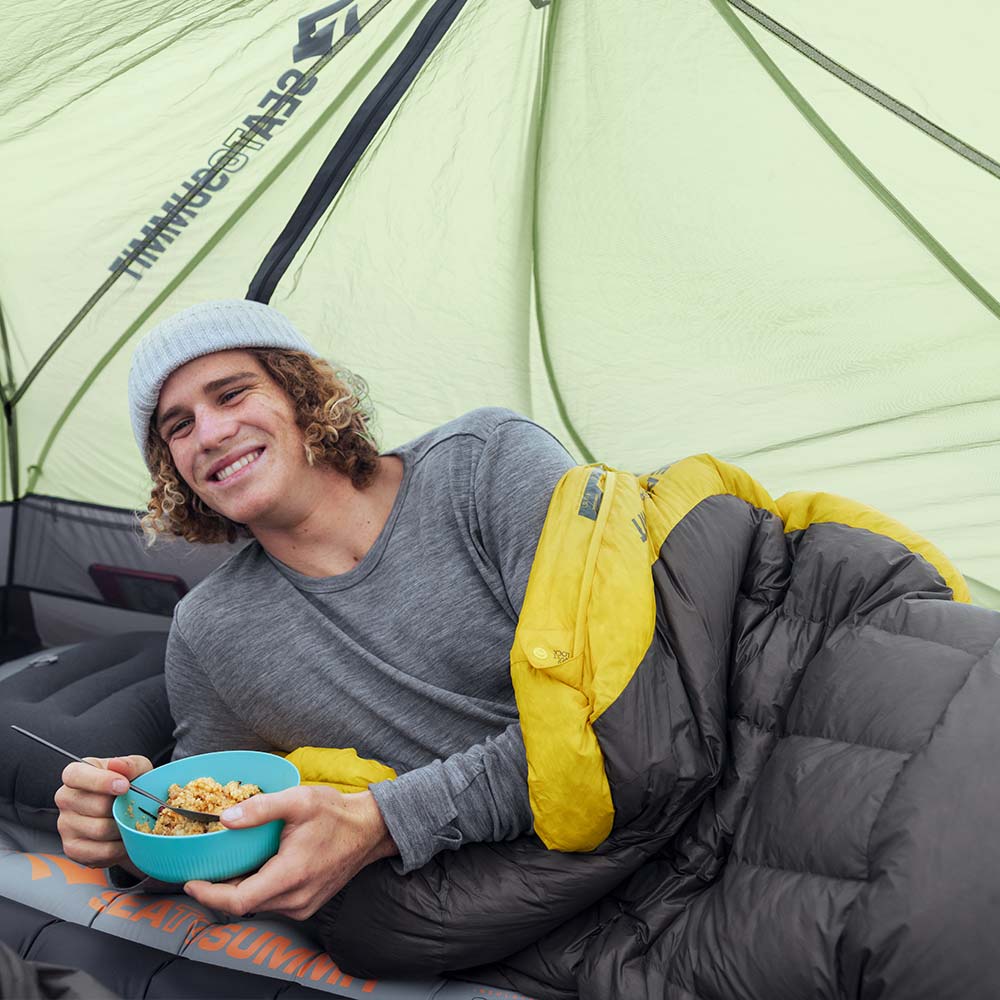
Your sleeping bag is your shelter inside the shelter. It is responsible for conserving your body heat all night long. Invest right, and you are not just warmer. You are safer, better rested, and more energised for the next day’s hike.
Can your sleeping bag handle a Tassie freeze?
When it comes to choosing a bag built for Tassie’s winter, insulation is the first decision. You have two main options: down or synthetic.
Down is the traditional gold standard for warmth-to-weight ratio. It compresses well, lasts a long time, and traps heat efficiently. However, it is sensitive to moisture. If down gets wet from condensation, leaks or rain, it loses insulating power quickly. For Tasmania’s often damp winters, water-resistant down or synthetic options become essential.
Synthetic insulation, while bulkier and heavier, retains warmth even when wet. It dries faster, is often cheaper, and is a favourite for those who camp in unpredictable conditions. If you are worried about rain or frost forming inside your tent, synthetic can be a safer bet.
But insulation is just the start. Look for features that help trap warmth and prevent heat loss. A mummy-shaped bag with a fitted hood and draft collar will help keep your body heat in and the cold out. Two-way zippers with draft tubes reduce cold spots. A quality sub-zero sleeping bag should wrap you like a cocoon, without letting warmth escape around the shoulders or zip seams.
Do not forget weight. You want a bag that is warm enough for zero-degree nights, but still light enough for multi-day hikes. For Tasmanian backcountry treks, aim for under 2kg with a good pack-down size. The goal is simple: maximum warmth with minimum bulk.
Avoid these cold-weather camping blunders
Winter camping can be magical, but not if you wake up with numb toes or frost on your nose. Many campers make avoidable mistakes when buying or using sleeping bags, especially in tough environments like Tasmania.
First, do not rely on the extreme rating alone. This number reflects survival conditions, not sleeping comfort. If your bag says -10°C extreme but only 0°C comfort, you will not enjoy a night in the central highlands. Choose based on comfort rating and add margin for unexpected drops in temperature.
Second, avoid choosing by price alone. A cheap bag might look good on paper, but poor stitching, thin insulation, or lack of features like hoods and draft tubes can ruin a cold night. Look for tried-and-tested outdoor brands with clear specs and trusted reviews. A well-made bag will serve you for many seasons, making it a better long-term investment.
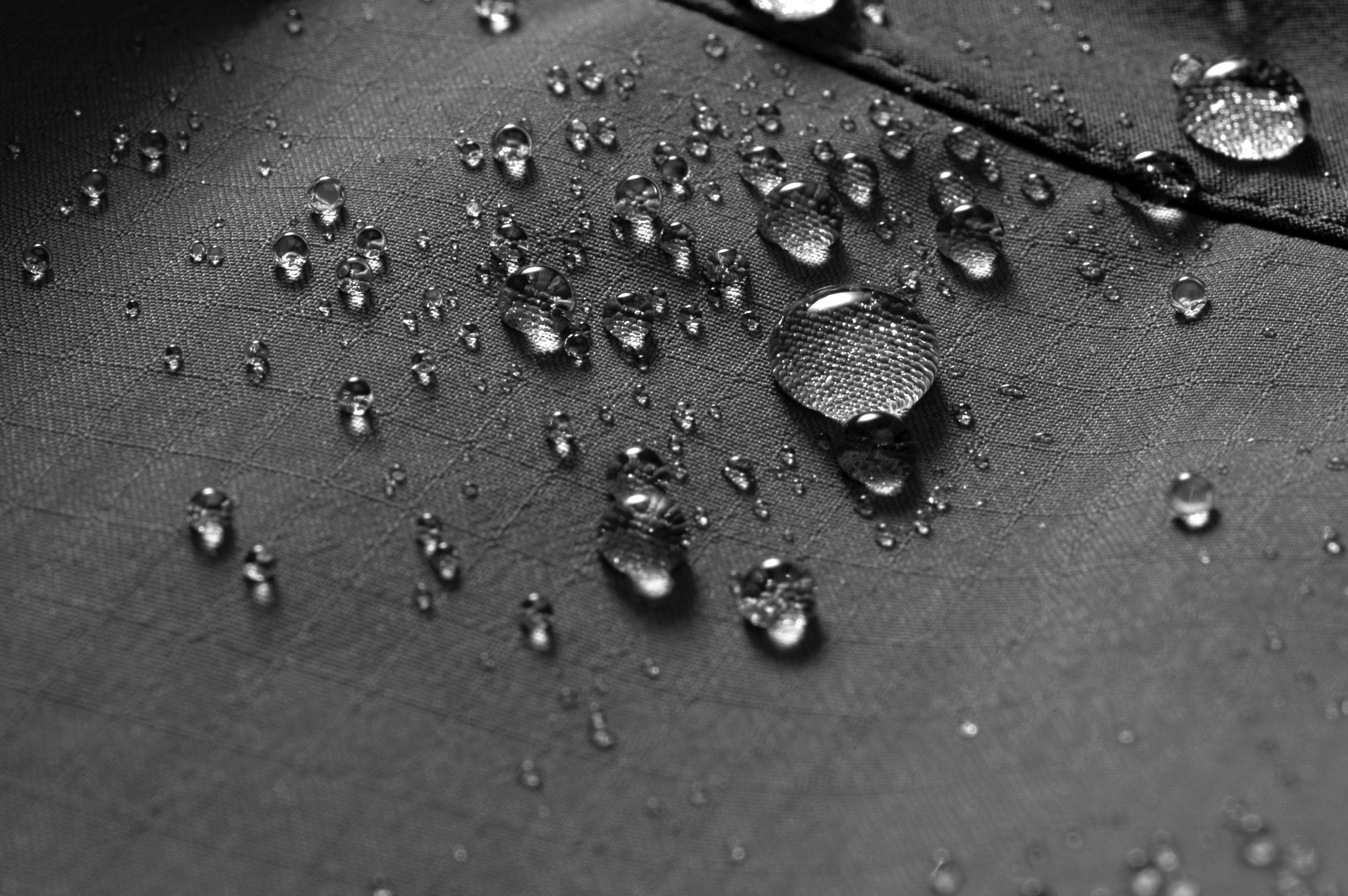
Third, do not underestimate Tassie’s moisture. Dew, condensation or wet gear can creep into your sleeping space and compromise warmth. Choose a sleeping bag with a water-repellent shell or pair it with a bivvy sack. Vent your tent slightly to reduce internal condensation. Dry gear is warm gear.
Finally, watch your setup. Even the best bag will not perform well on a poor base. Use an insulated sleeping mat underneath to keep your body heat from escaping into the ground. Cold seeping up from below is one of the biggest heat drains overnight.
Expert warmth hacks to maximise your bag
Already own a decent bag but heading into colder territory? These warmth-boosting tips can turn your setup into a winter-ready system without splashing out on a brand-new model.
First, consider adding a thermal liner. These lightweight inserts can add 5 to 15 degrees of extra warmth and also keep your bag cleaner for longer. They are compact, affordable, and ideal for boosting your comfort range on colder nights.
Next, pre-warm your bag. Before hopping in, use a hot water bottle wrapped in a sock or shirt. Place it near your core or feet inside the bag. This warms up the internal air space and helps your body settle faster. Just make sure the bottle is leakproof.
Third, get your layers right. Too many clothes can actually reduce your bag’s effectiveness by compressing insulation and restricting airflow. Use a base thermal layer and socks, and avoid tight-fitting outerwear that creates cold spots.
If your bag is old or lacking, a bivvy sack adds an extra layer of wind and moisture protection. It is also great as a backup option on minimalist hikes or emergencies. Pair it with a reliable sleeping mat for an instant upgrade.
Lastly, always keep your sleeping system dry. Store your bag in a dry bag inside your pack. Air it out daily to avoid internal moisture build-up. In Tasmania, managing dampness is just as important as managing the cold.
What Cold-Sleepers Ask Before Tassie Trips
What temperature rating should I look for when camping in Tasmania in winter?
Aim for a comfort rating of at least -5°C. If you are heading to higher elevations or expect snow, choose a bag with a comfort rating closer to -10°C and an extreme rating below -15°C. Always over-prepare when camping in unpredictable cold.
Is down or synthetic better for sub-zero camping?
Both work, but it depends on the conditions. Down is better for dry, cold climates and offers better packability. Synthetic is safer in wet, damp environments like many parts of Tasmania during winter. Water-resistant down offers a strong middle ground.
Can I use a summer sleeping bag with layers in winter?
Not safely. While adding liners and thermals can help, a summer-weight bag will not trap enough heat in sub-zero temperatures. It is far better to invest in a proper cold-rated bag and use layers to adjust from there.
Ready to Sleep Warm? Get Winter-Ready with Offtrack
Cold weather should never cut your adventure short. With the right temperature-rated sleeping bag, you will stay warm, dry and well-rested, no matter where Tassie’s wild weather takes you.
Explore our expert-picked winter sleeping bags built for Australian conditions. From lightweight down to rugged synthetics, we stock the gear that performs when it matters most. Whether you are hiking the Overland Track or bunkering down near Ben Lomond, your best sleep yet is just one bag away.
Let’s get Offtrack and stay warm out there.