
Categories
Filter by Brands
-
(9)
-
(2)
-
(4)
-
(2)
-
(3)
-
(1)
-
(12)
-
(17)
-
(9)
-
(24)
-
(1)
-
(14)
-
(4)
-
(4)
-
(4)
-
(13)
-
(72)
-
(12)
-
(1)
-
(1)
-
(11)
-
(129)
-
(2)
-
(3)
-
(4)
-
(5)
-
(11)
-
(2)
-
(58)
-
(12)
-
(61)
-
(1)
-
(2)
-
(1)
-
(7)
-
(1)
-
(2)
-
(1)
-
(2)
-
(12)
-
(3)
-
(13)
-
(2)
-
(2)
-
(2)
-
(3)
-
(5)
-
(1)
-
(4)
-
(2)
-
(5)
-
(11)
-
(3)
-
(2)
-
(1)
-
(1)
-
(97)
-
(4)
-
(6)
-
(7)
-
(2)
-
(2)
-
(3)
-
(7)
-
(1)
-
(126)
-
(13)
-
(4)
-
(1)
-
(10)
-
(1)
-
(24)
-
(1)
-
(21)
-
(25)
-
(29)
-
(22)
-
(11)
-
(20)
-
(5)
-
(3)
-
(2)
-
(42)
-
(14)
-
(1)
-
(28)
-
(15)
-
(1)
-
(8)
-
(21)
-
(9)
-
(1)
-
(7)
-
(4)
-
(2)
-
(1)
-
(28)
-
(1)
-
(1)
-
(5)
-
(9)
-
(2)
-
(3)
-
(2)
-
(1)
-
(5)
-
(4)
-
(12)
-
(1)
-
(15)
-
(6)
-
(3)
-
(7)
-
(6)
-
(6)
-
(18)
-
(3)
-
(1)
-
(2)
-
(2)
-
(5)
-
(2)
-
(2)
-
(3)
-
(178)
-
(3)
-
(40)
-
(1)
-
(2)
-
(5)
-
(23)
-
(2)
-
(1)
-
(3)
-
(19)
-
(3)
-
(3)
-
(15)
-
(1)
-
(1)
-
(9)
-
(1)
-
(28)
-
(1)
-
(52)
-
(9)
-
(1)
-
(2)
-
(12)
-
(2)
-
(40)
-
(2)
-
(658)
-
(5)
-
(3)
-
(57)
-
(12)
-
(3)
-
(12)
-
(2)
-
(1)
-
(1)
-
(35)
-
(8)
-
(5)
-
(24)
-
(2)
-
(2)
-
(4)
-
(5)
-
(14)
-
(8)
-
(4)
-
(42)
-
(9)
-
(4)
-
(6)
-
(20)
-
(4)
-
(383)
-
(21)
-
(24)
-
(4)
-
(4)
-
(9)
-
(1)
-
(4)
-
(19)
-
(9)
-
(34)
-
(1)
-
(3)
-
(1)
-
(2)
-
(2)
-
(3)
-
(14)
-
(8)
-
(13)
-
(1)
-
(3)
-
(9)
-
(1)
-
(13)
-
(1)
-
(1)
-
(1)
-
(22)
-
(5)
-
(13)
-
(1)
-
(1)
-
(31)
-
(8)
-
(5)
-
(59)
-
(1)
-
(1)
-
(11)
-
(6)
-
(5)
-
(4)
-
(4)
-
(1)
-
(1)
-
(201)
-
(2)
-
(1)
-
(1)
-
(9)
-
(98)
-
(1)
-
(84)
-
(2)
-
(7)
-
(4)
Price Range
-
Price:—
Select Size
-
(85)
-
(88)
-
(51)
-
(771)
-
(709)
-
(707)






- Out of Stock

- Out of Stock
- Out of Stock

- Out of Stock
- Out of Stock

- Out of Stock
What Usually Trips People Up When Choosing a Paddling Helmet
Do I need a paddling helmet for every kind of kayaking or canoeing?
Not always, but once you move into whitewater, moving water, rocky rivers, rescue training, or any paddling where capsizes and impacts are realistic, a helmet shifts from optional to sensible. On this category page, we stock paddling helmets alongside other river safety gear, which reflects how closely helmet choice is tied to whitewater and technical paddling rather than casual flatwater use. Offtrack’s watersports range is built around kayaking, canoeing and packrafting, with a strong focus on PPE and safety gear for those higher-consequence environments.
What is the main thing to look for first: fit, coverage, or price?
Fit comes first, because a helmet that shifts, lifts, or creates pressure points is harder to trust and harder to wear properly for a full session. After that, look at coverage. Some paddlers want a lower-profile option with less bulk around the ears, while others want more protection for rockier runs or more committing whitewater. Price matters, but it should come after the helmet suits the type of paddling you actually do. We compare options by application, not by pretending one model is best for everyone. That approach matches our wider philosophy of choosing the right product for the situation rather than pushing a single brand across the board.
How should a paddling helmet actually fit?
A good paddling helmet should feel secure and even all the way around your head, without obvious hot spots. When adjusted properly, it should stay in place when you move your head, and it should not ride back or wobble from side to side. For paddling gear in general, we put a lot of emphasis on fit because poor fit changes both comfort and safety. The same logic we apply to PFDs and other technical gear carries straight across to helmets. If you are buying for a school program, club, or mixed-ability group, it is worth getting the fit range right from the start rather than choosing on colour or cost alone.
What is the difference between lower-profile helmets and fuller-coverage helmets?
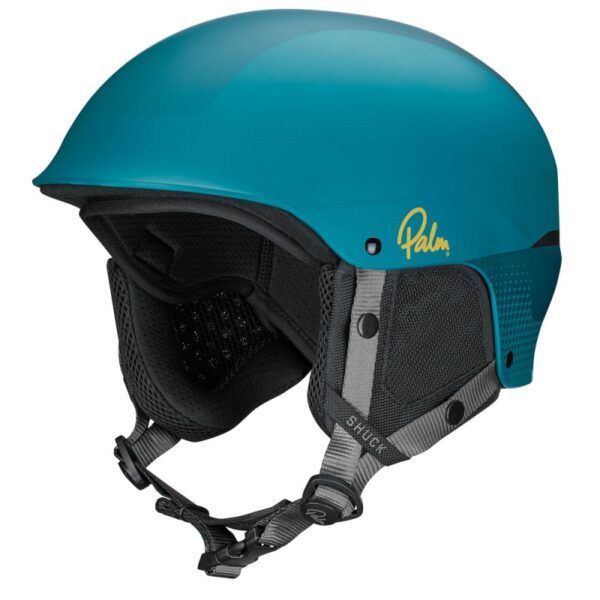
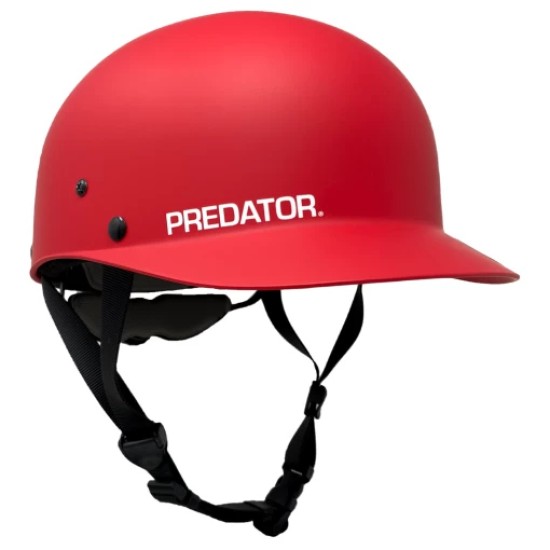
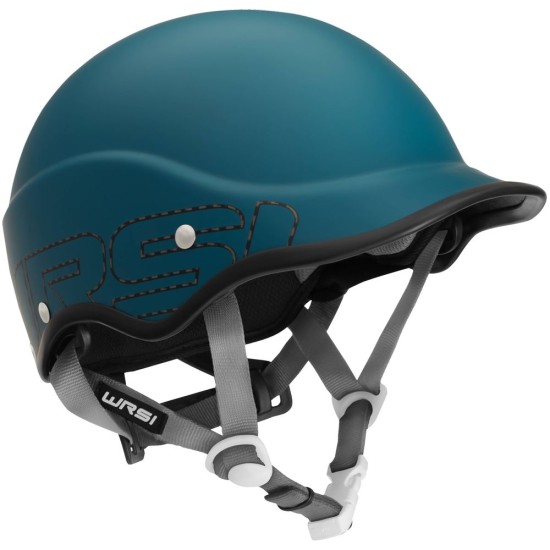
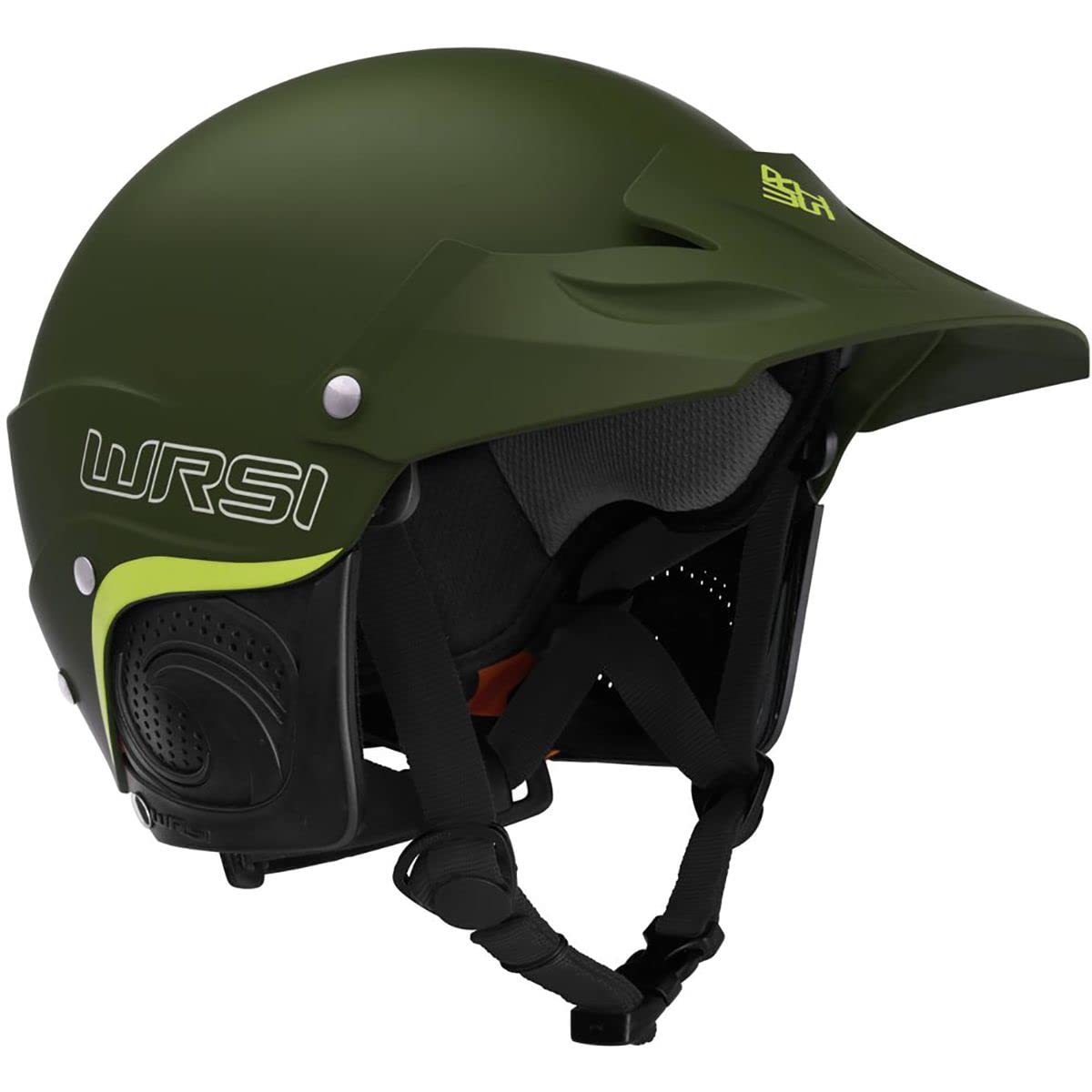
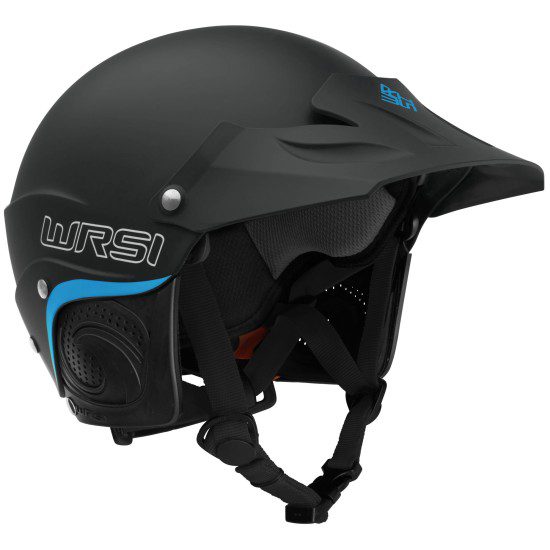
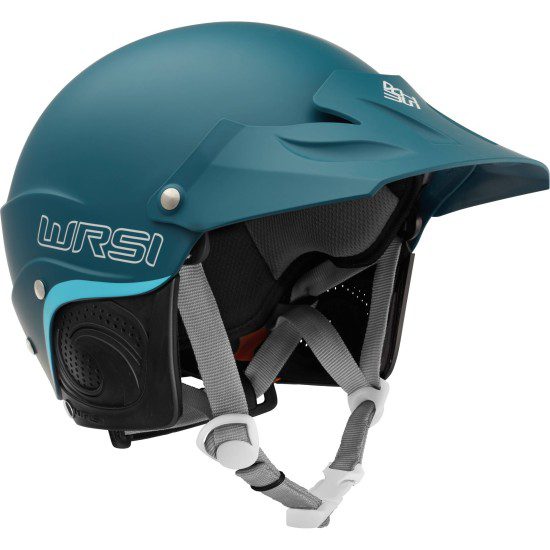
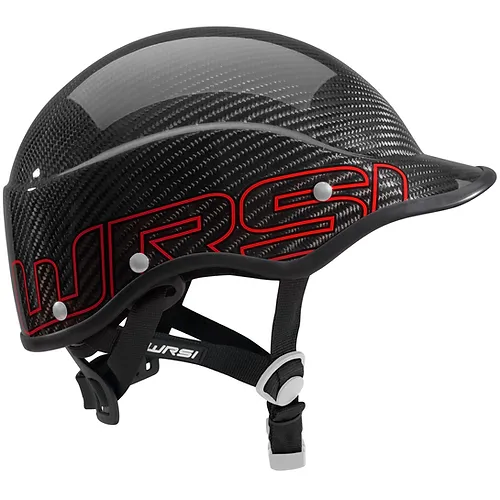
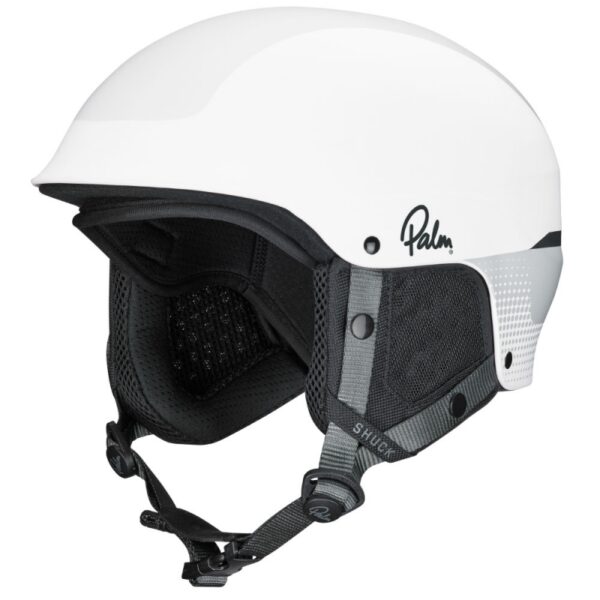
The difference usually comes down to the environment, the amount of impact protection you want around the sides of the head, and how much time you spend in technical water. Some paddlers prefer a simpler, lighter feel for less demanding use. Others want more coverage, including around the ears, for whitewater where rocks, shallow lines, and repeat impacts are more realistic concerns. On this category page, you can already see that the range spans several styles and price points, from more accessible options through to higher-end whitewater models from brands such as Palm, Predator, WRSI, RUK Sports and NRS.
Are more expensive paddling helmets always better?
Not automatically. A more expensive helmet may give you a different shell design, comfort system, retention setup, coverage profile, or finish, but that only helps if it matches your paddling. A beginner paddling occasional moving water may not need the same helmet as someone regularly running harder rapids, leading trips, or buying for a program where gear sees repeated use. We would usually narrow the choice by asking where you paddle, how often you swim, what kind of river contact is realistic, and whether you want a simpler starting point or a longer-term upgrade. That gives you a shortlist based on use, not guesswork.
Which brands should I compare in paddling helmets?
For this category, a sensible comparison starts with the brands already in the range, including Palm, Predator, WRSI, RUK Sports and NRS. The better question is not “which brand is best?” but “which brand makes the helmet that suits my paddling style, fit and river conditions?” Some paddlers prioritise value, some want specific whitewater features, and some are trying to balance durability with all-day comfort. Our role is to help match those differences to your actual use rather than reduce the decision to a brand name alone.

