Showing 25–48 of 127 results

The Questions Climbers Usually Ask Before Buying Climbing Hardware

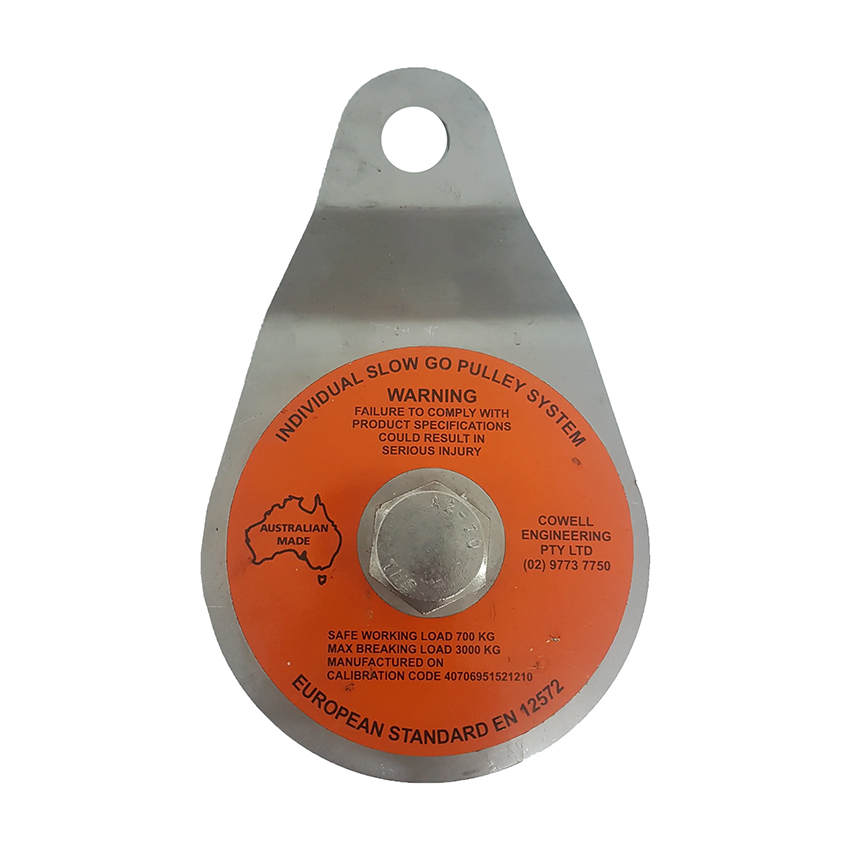
This category covers the core metalwork and technical tools that connect the rest of your climbing system. On Offtrack’s climbing hardware page, that includes anchors and cams, ascenders and descenders, belay devices and pulleys, carabiners, and quickdraws and sets. In practice, these are the pieces that shape how you protect, belay, descend, build anchors, and move efficiently on the wall.

That starts with the type of climbing you do. Indoor climbers usually need a much simpler setup than trad, multi-pitch, alpine, or rescue-focused users. Offtrack’s climbing guidance is built around safety and suitability, which means matching the gear to the discipline, experience level, and environment rather than treating every climber the same. Someone climbing in the gym may only need a belay device, locking carabiner, and a straightforward setup. A trad climber, by contrast, may need nuts, cams, extra carabiners, slings, and anchor-building hardware that fits the routes they are actually leading.

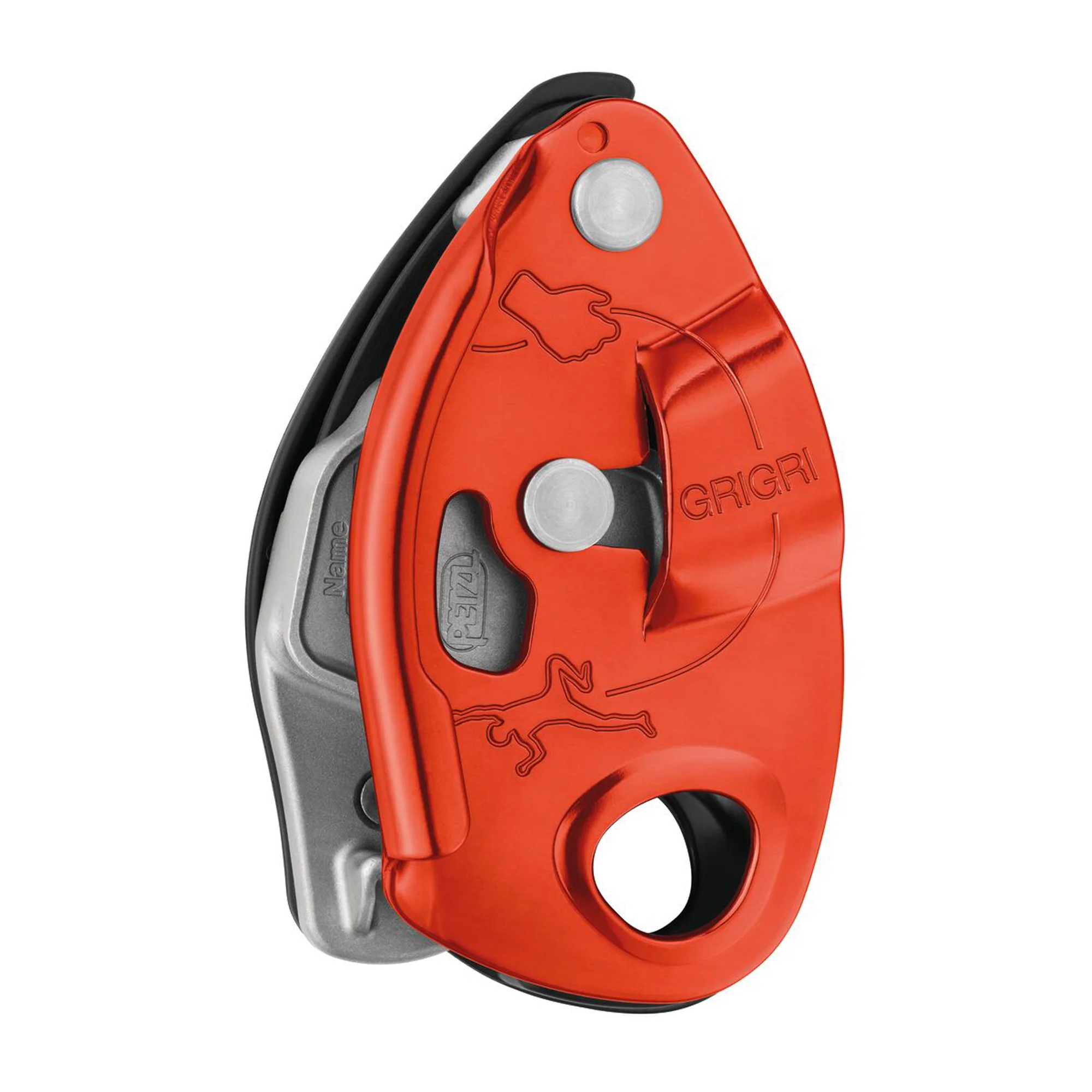
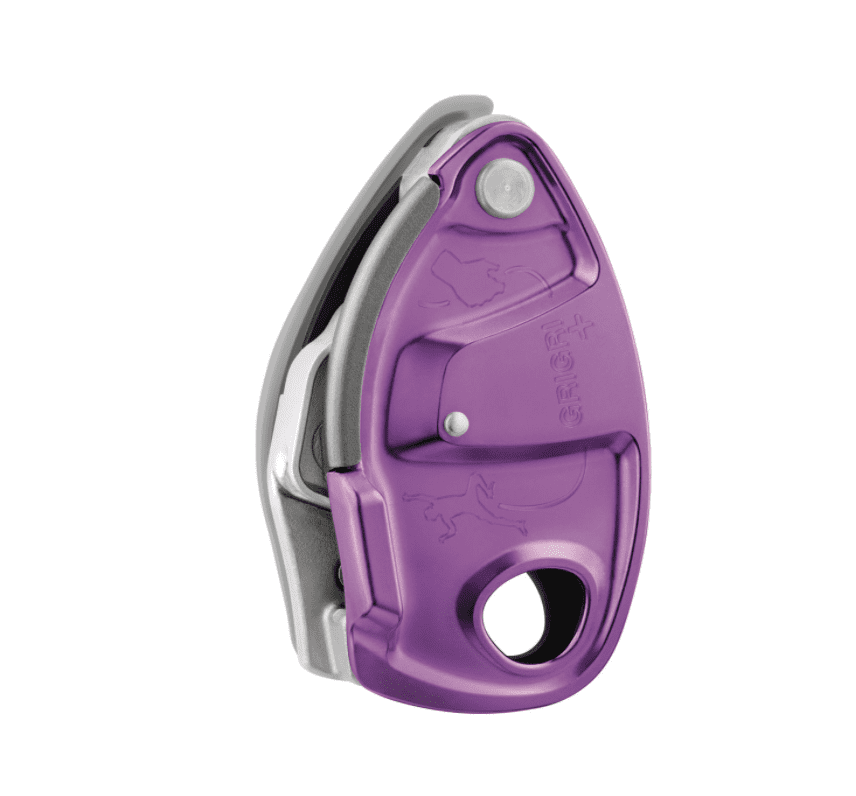
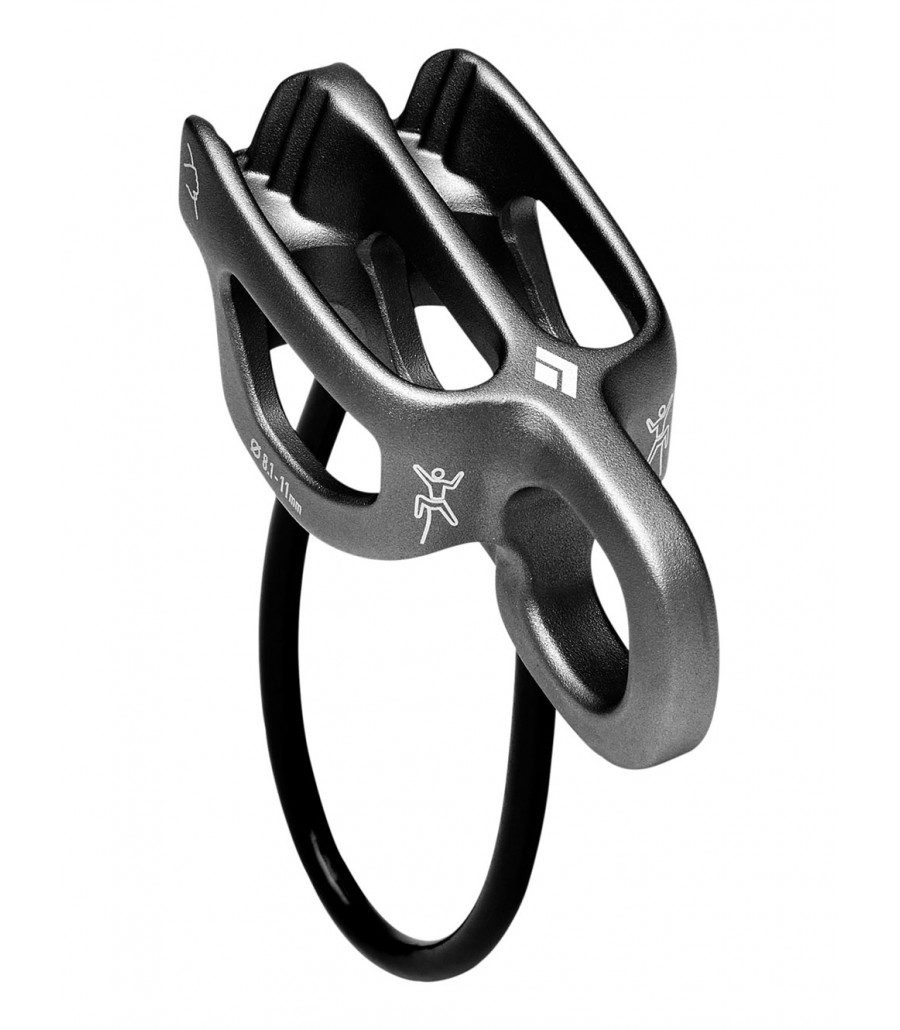
Both. A belay device should fit the kind of climbing you do and the way you plan to use it. Offtrack’s broader climbing recommendations distinguish between simpler tube-style devices for basic use and more specialised options such as assisted-braking devices or guide-mode devices for different scenarios. A newer gym climber may want something straightforward and easy to learn well. A multi-pitch climber may be better served by a device that allows guide-mode belaying from above. The right choice is less about buying the most advanced option and more about choosing the device that suits your climbing and that you know how to use properly.

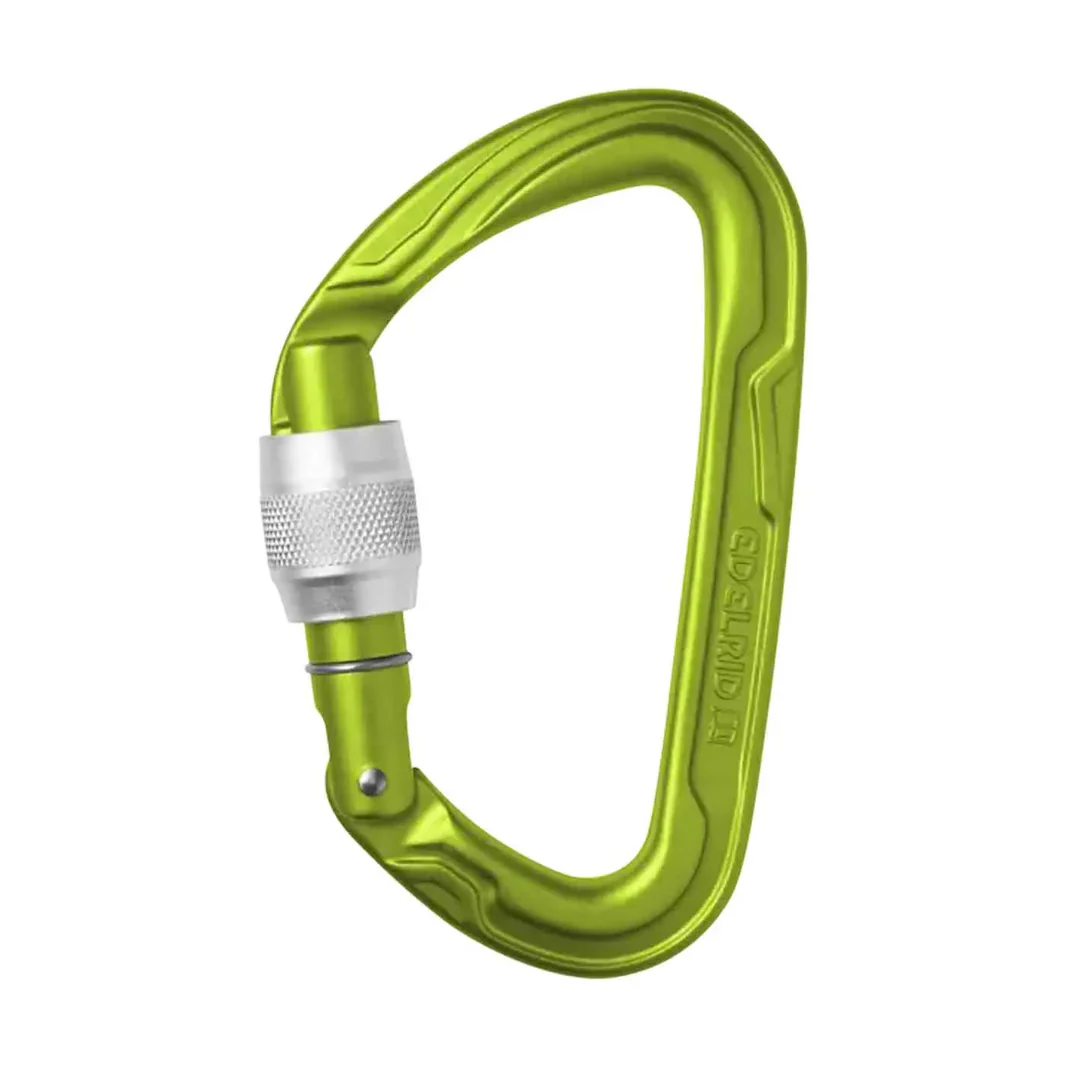
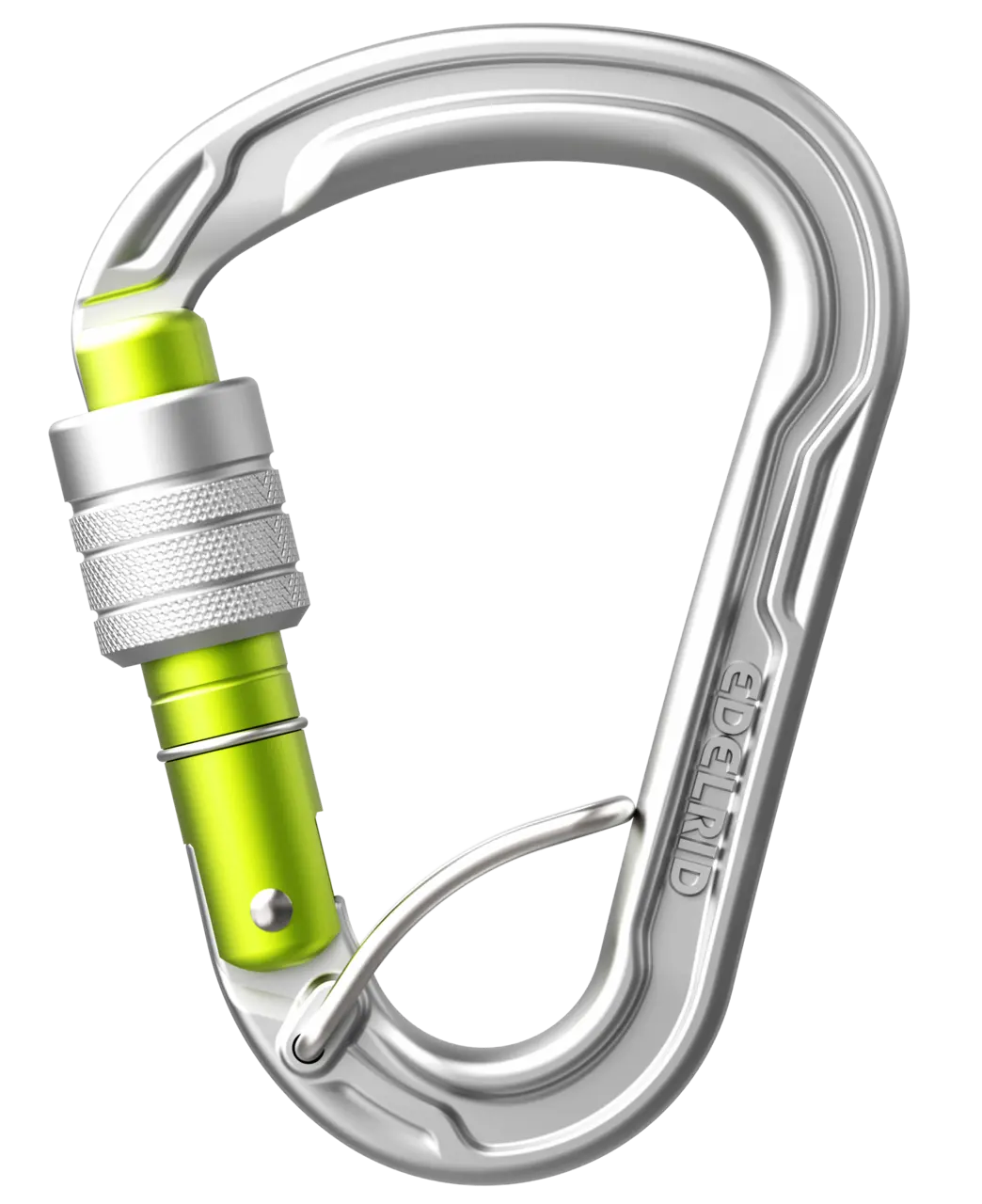
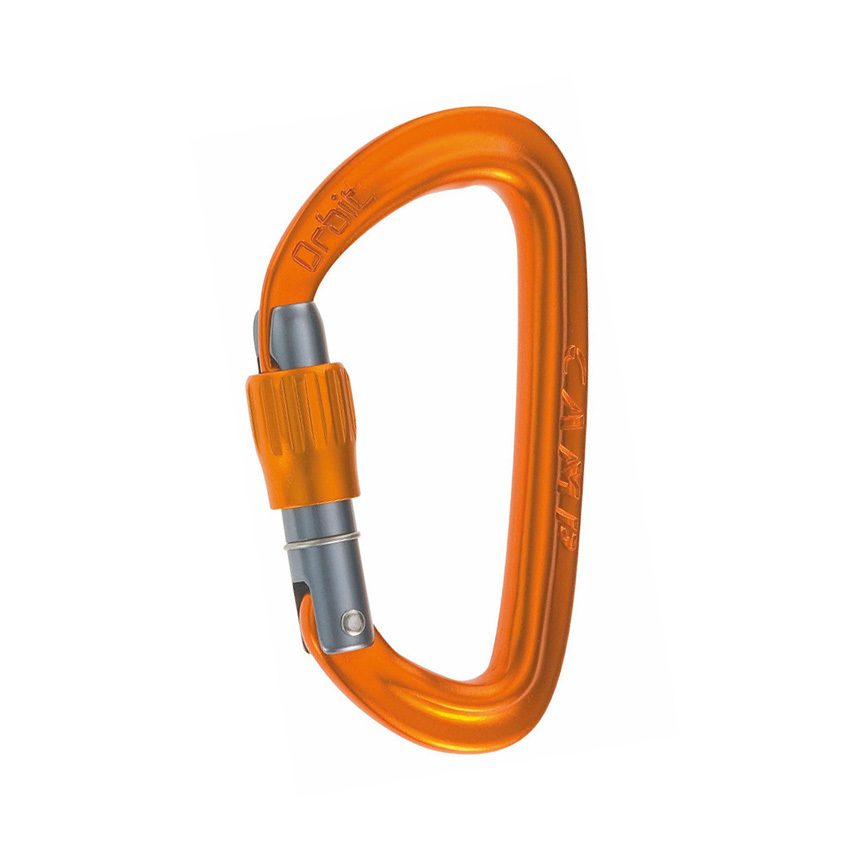
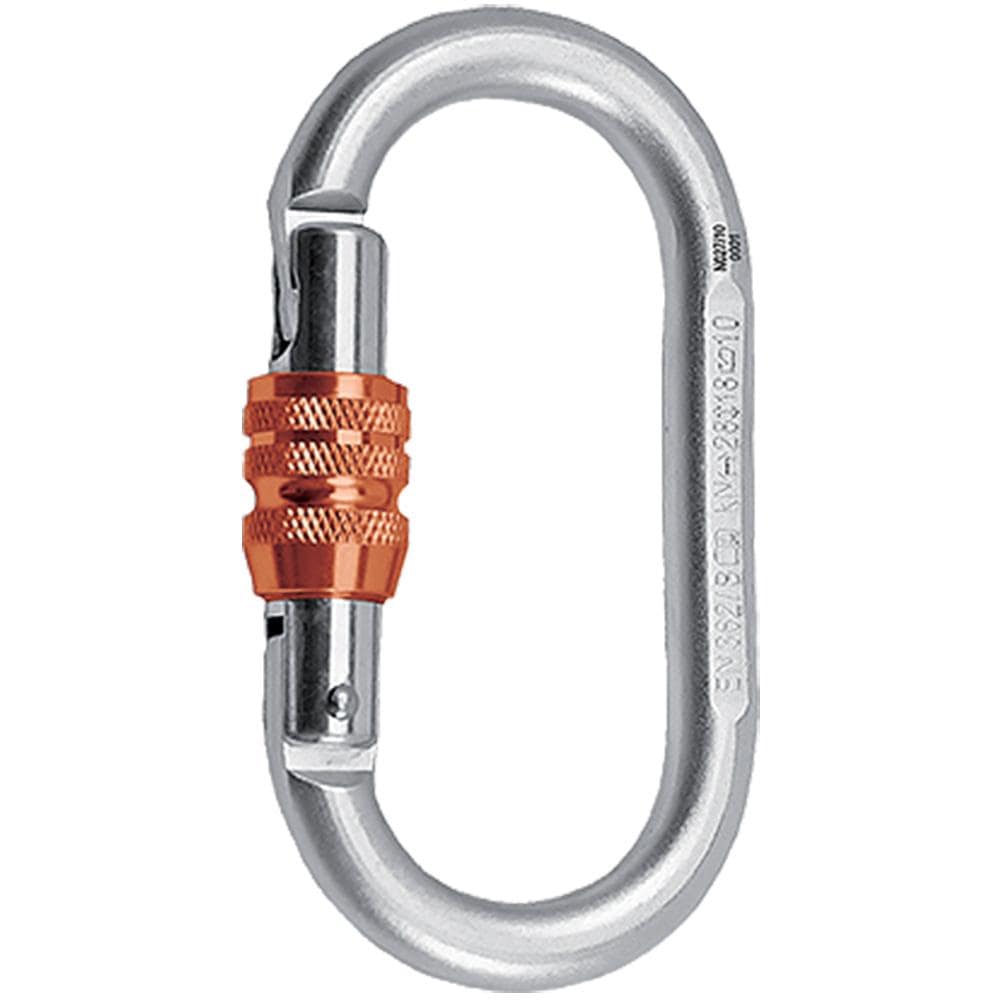
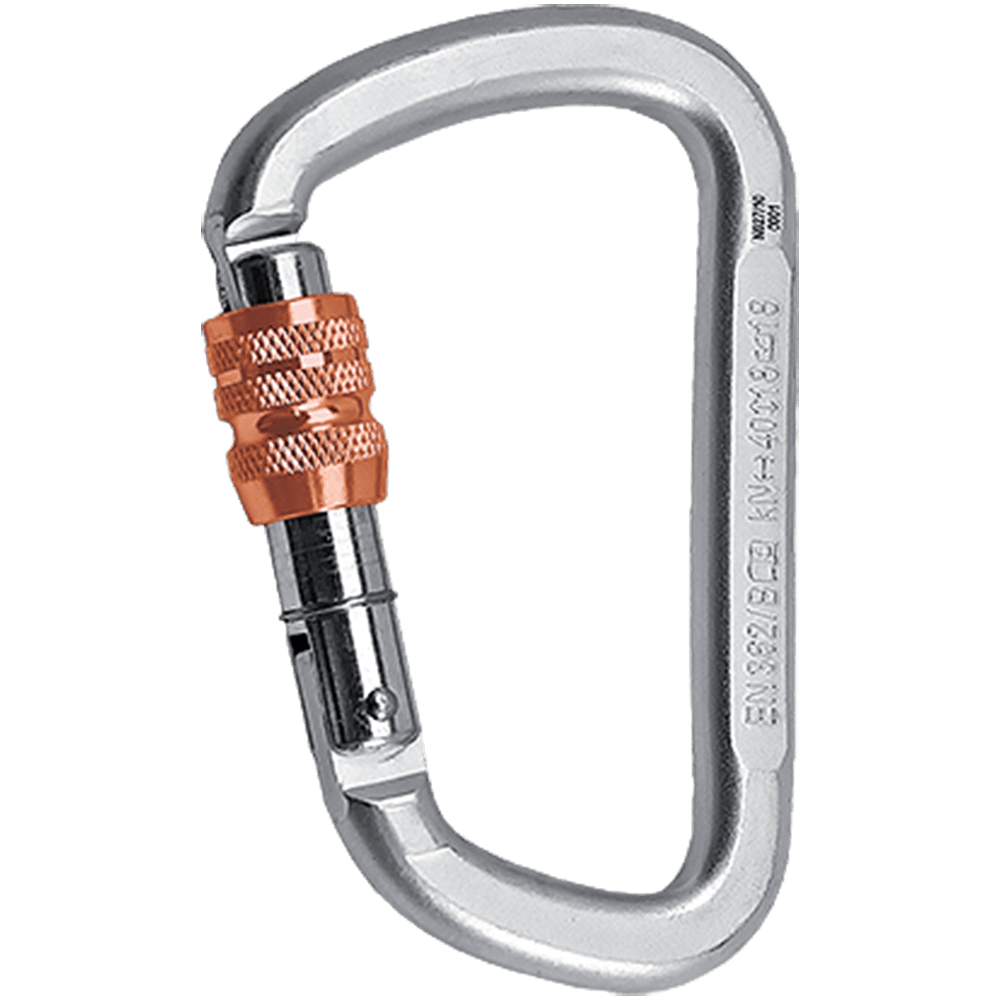
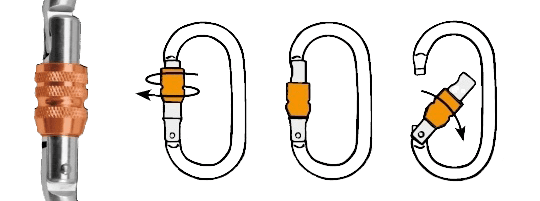
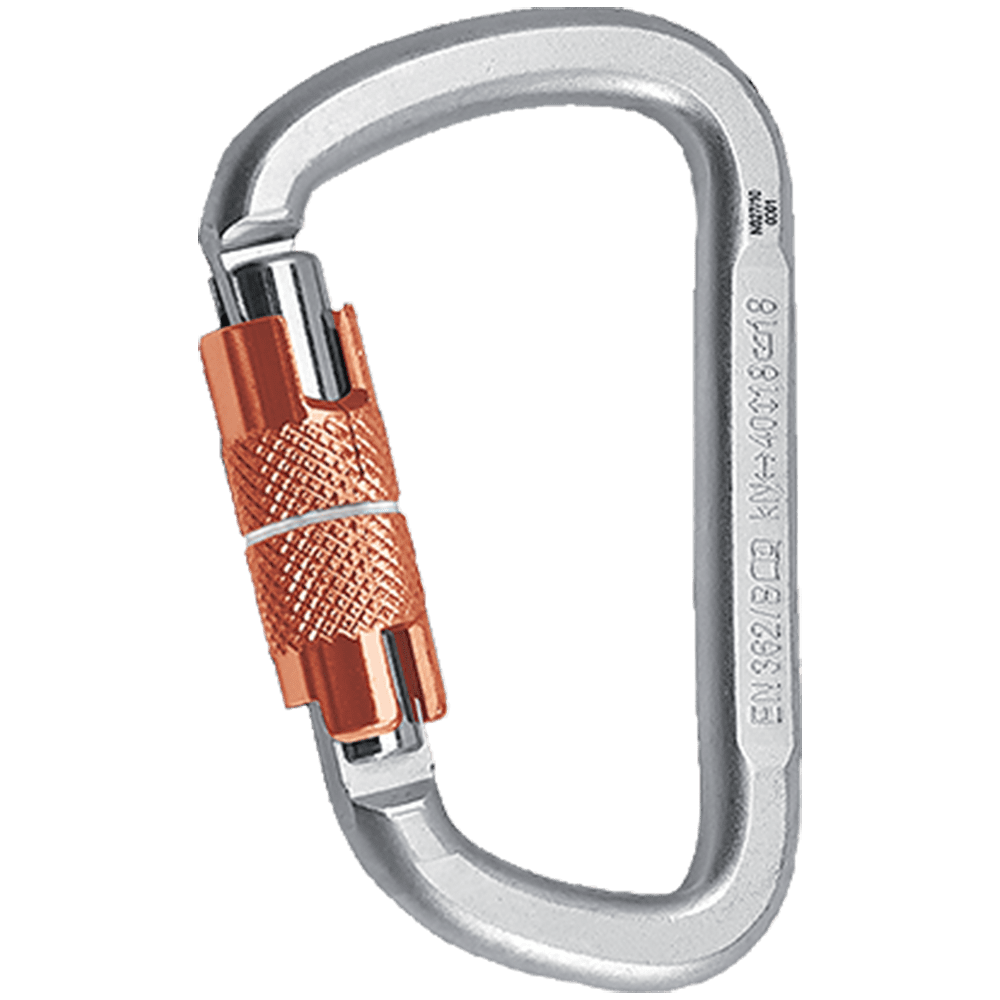
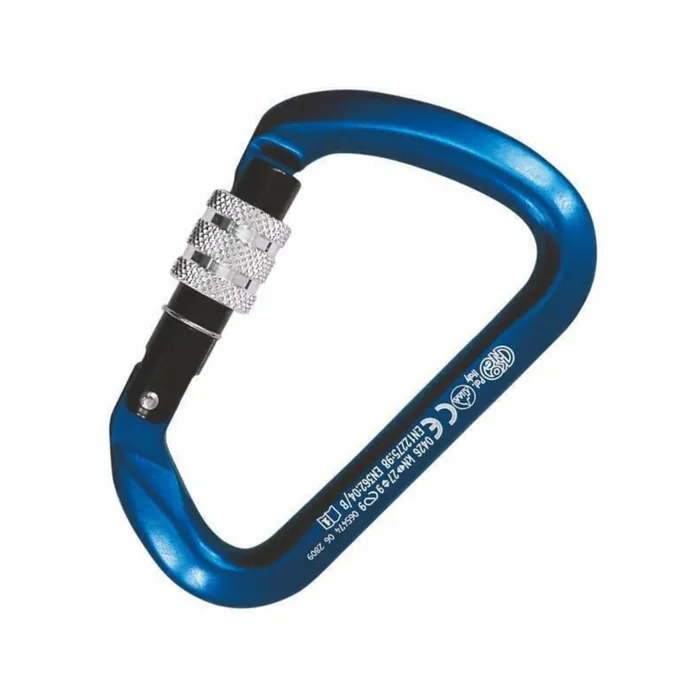
Not at all. Carabiners vary by shape, gate style, locking mechanism, strength profile, and intended role in a system. Some are built for general racking, some for belaying, some for anchors, and some for more specialised industrial or rescue use. The current Offtrack climbing hardware category includes a broad mix of hardware brands and products, which reflects that there is no single carabiner that covers every job well. Offtrack’s wider brand philosophy also applies here: no one brand or one design is best at everything, so the comparison should be based on use rather than label alone.

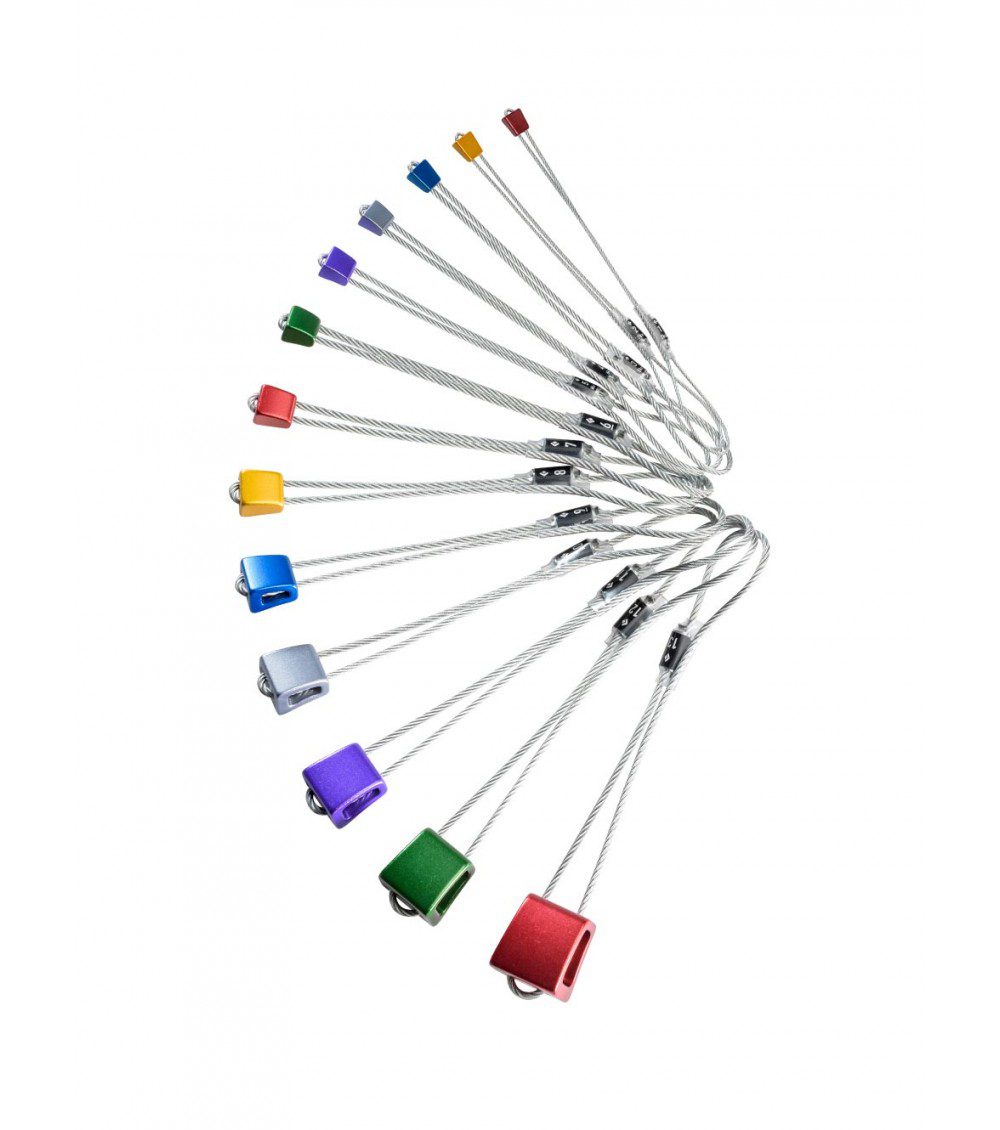
Usually not. Offtrack’s climbing guidance points more toward building a sensible starter setup than throwing a new trad climber into a full rack immediately. For many climbers, it makes more sense to begin with a nut set and a few commonly useful cam sizes, then build out the rack based on the type of cracks and routes they actually climb. That approach cuts down on wasted spend and usually leads to a more useful rack over time. It also lines up with safer progression, because hardware choice in trad only makes sense when paired with placement skill and judgement.

A sensible shortlist starts with the brands already appearing in the climbing hardware range, including Black Diamond, Climbing Technology, DMM, Edelrid, Beal, CAMP, Axis, Kong and Metolius. The more useful question, though, is which brand makes the right piece for your application. Some climbers care most about weight, some want durability for repeated group use, and some are buying for very specific trad, sport, rescue, or rope-access setups. Offtrack’s role is to help match those differences to the way the gear will actually be used.

Loadding...