Showing all 20 results

The liner questions that usually decide whether you sleep warmer, cleaner, or just carry extra fabric

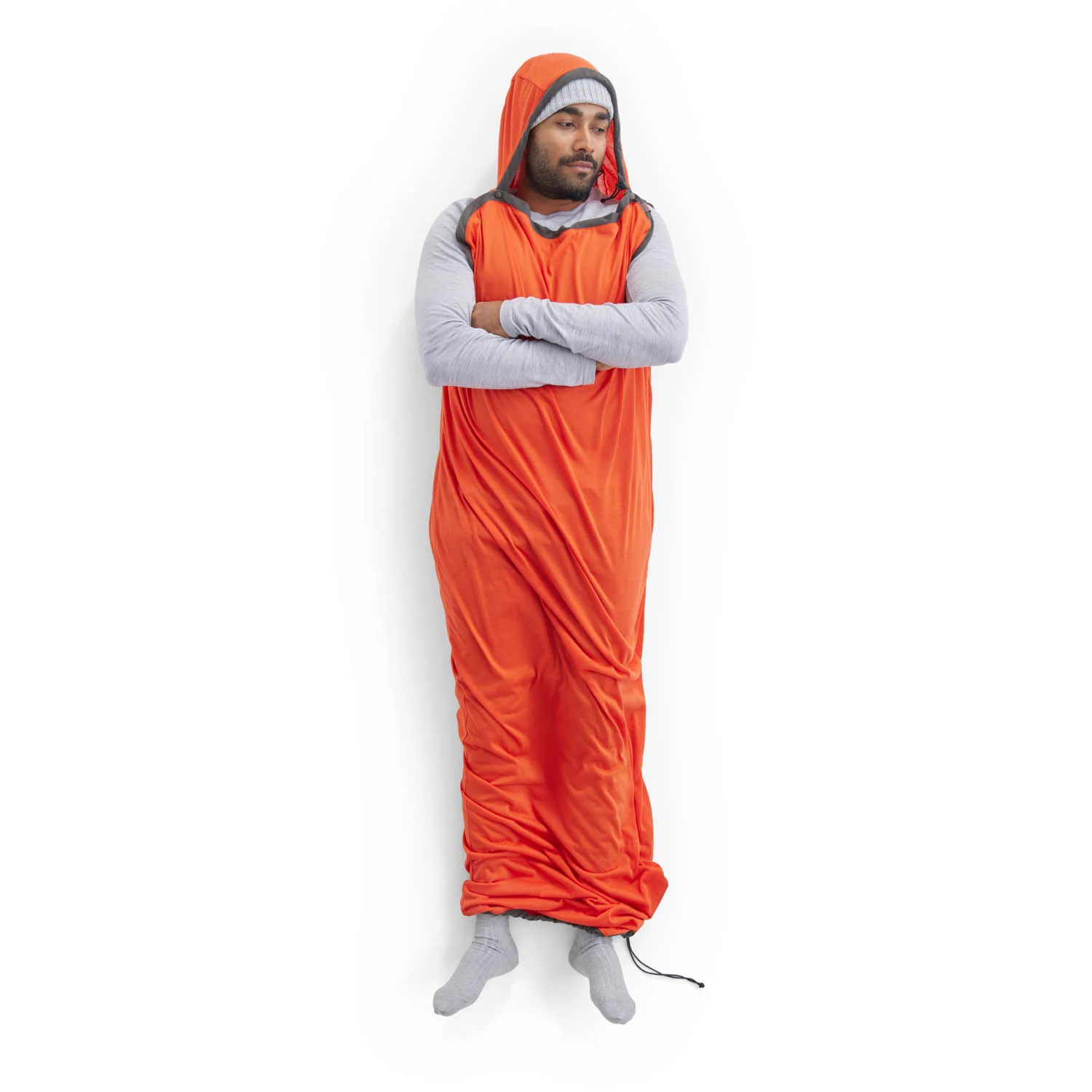
A liner is optional in the strict sense, though it often earns its place once you look at what it changes. It can add warmth, help keep the inside of the sleeping bag cleaner, and give you a more comfortable feel against the skin. That matters on multi-night trips, school camps, hut trips, and travel where washing the full sleeping bag is impractical. Offtrack’s liners category currently shows 18 results, including Sea to Summit Reactor models and Mont silk and cotton-silk options, which suggests the category serves several different use cases rather than one narrow need.

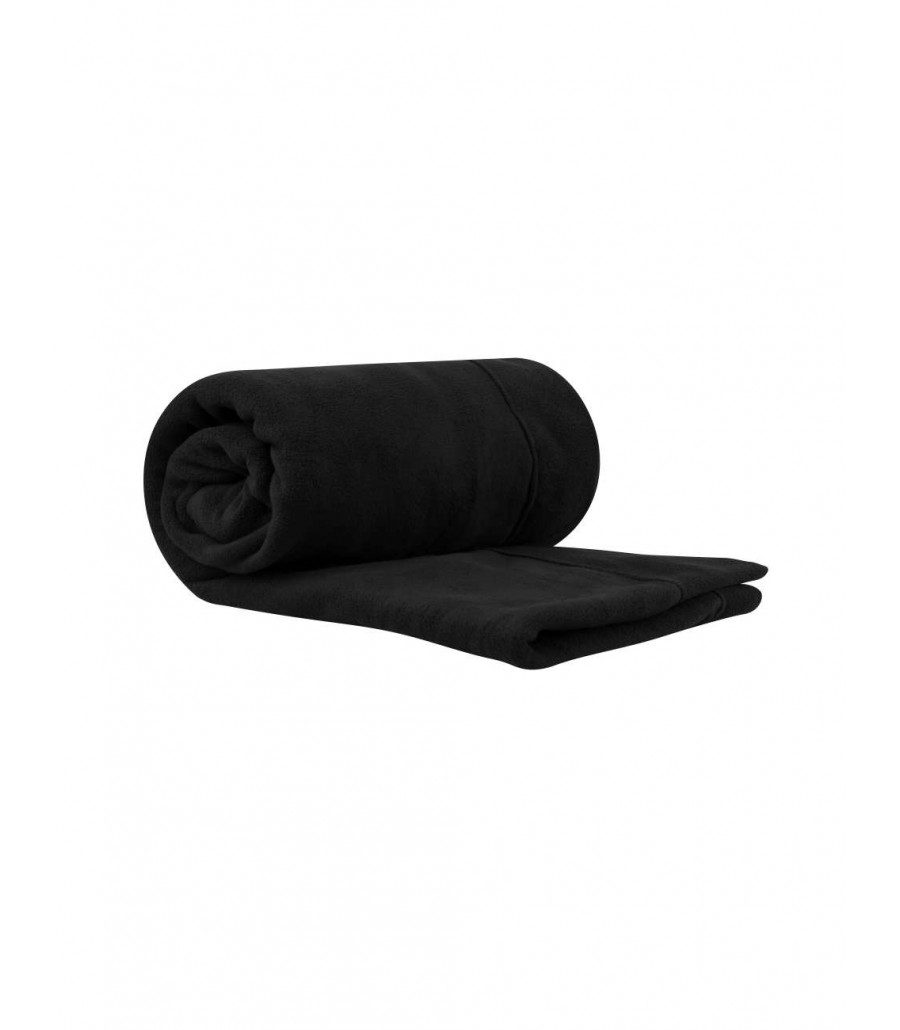
It can, though the result depends on the liner type and the rest of the sleep system. A thermal-style liner usually suits people trying to stretch warmth in cooler conditions, while a lighter liner may be more about comfort, cleanliness, and versatility than noticeable heat gain. The practical point is this: a liner can improve the system, but it does not replace choosing the right sleeping bag for the trip. That matches Offtrack’s broader advice on sleep systems, where recommendations are built around conditions, trip type, and the full setup rather than a single product solving everything.

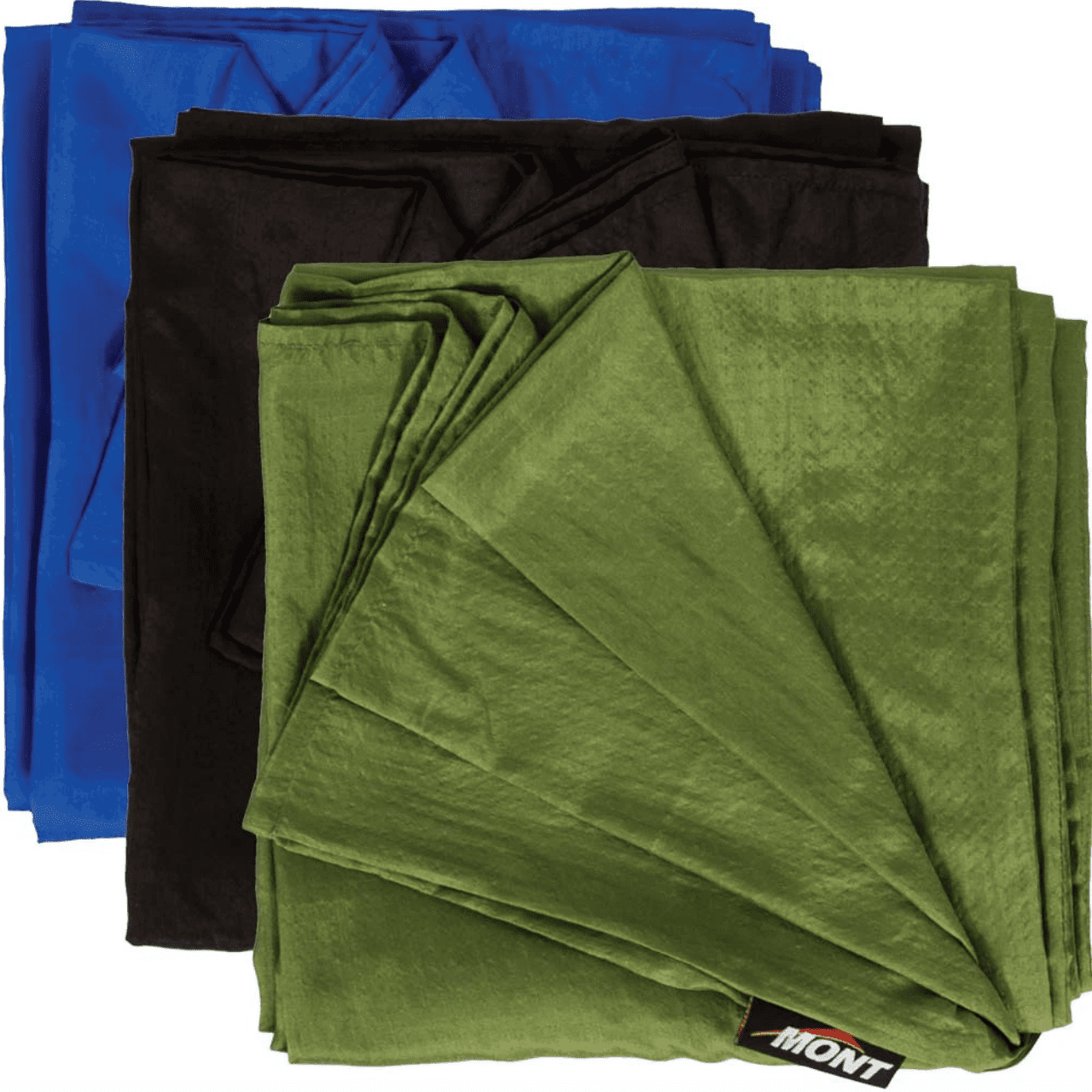
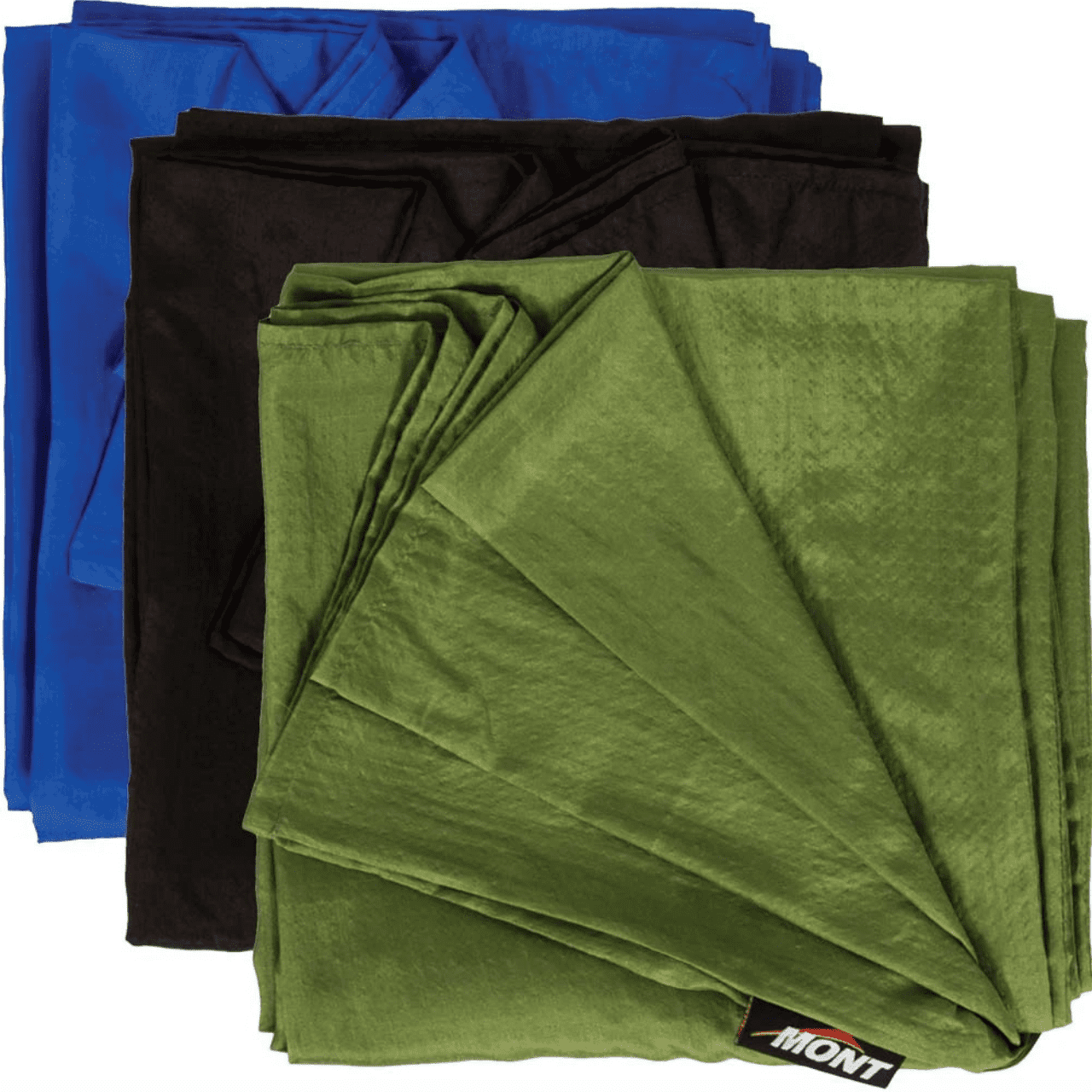
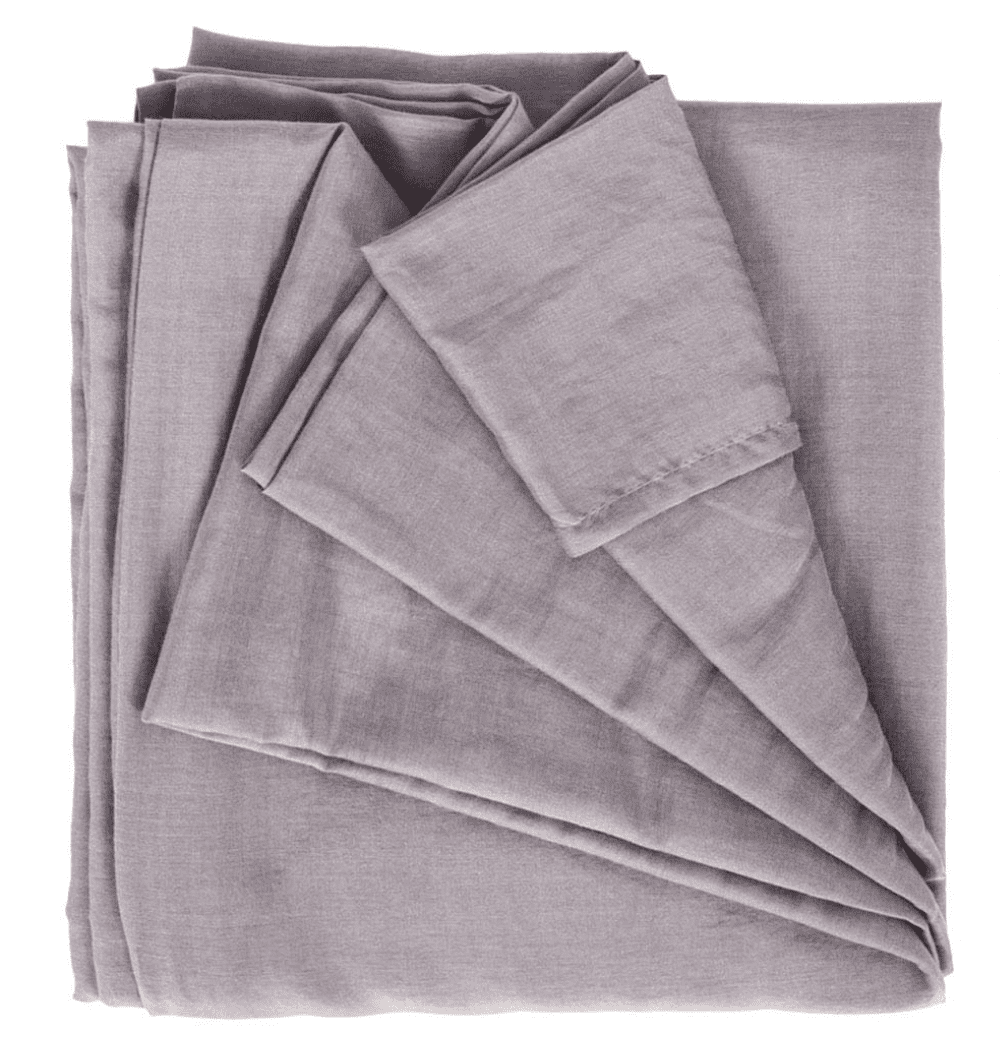
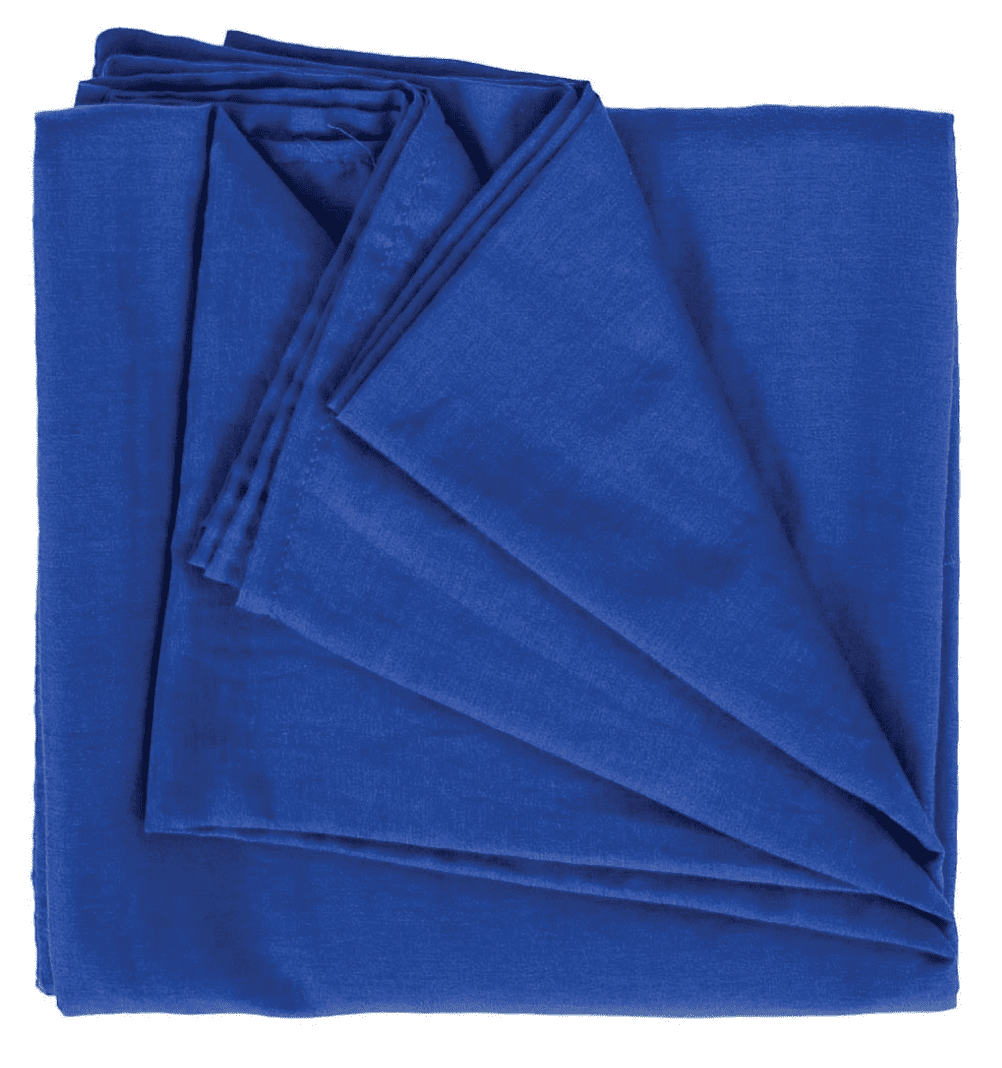
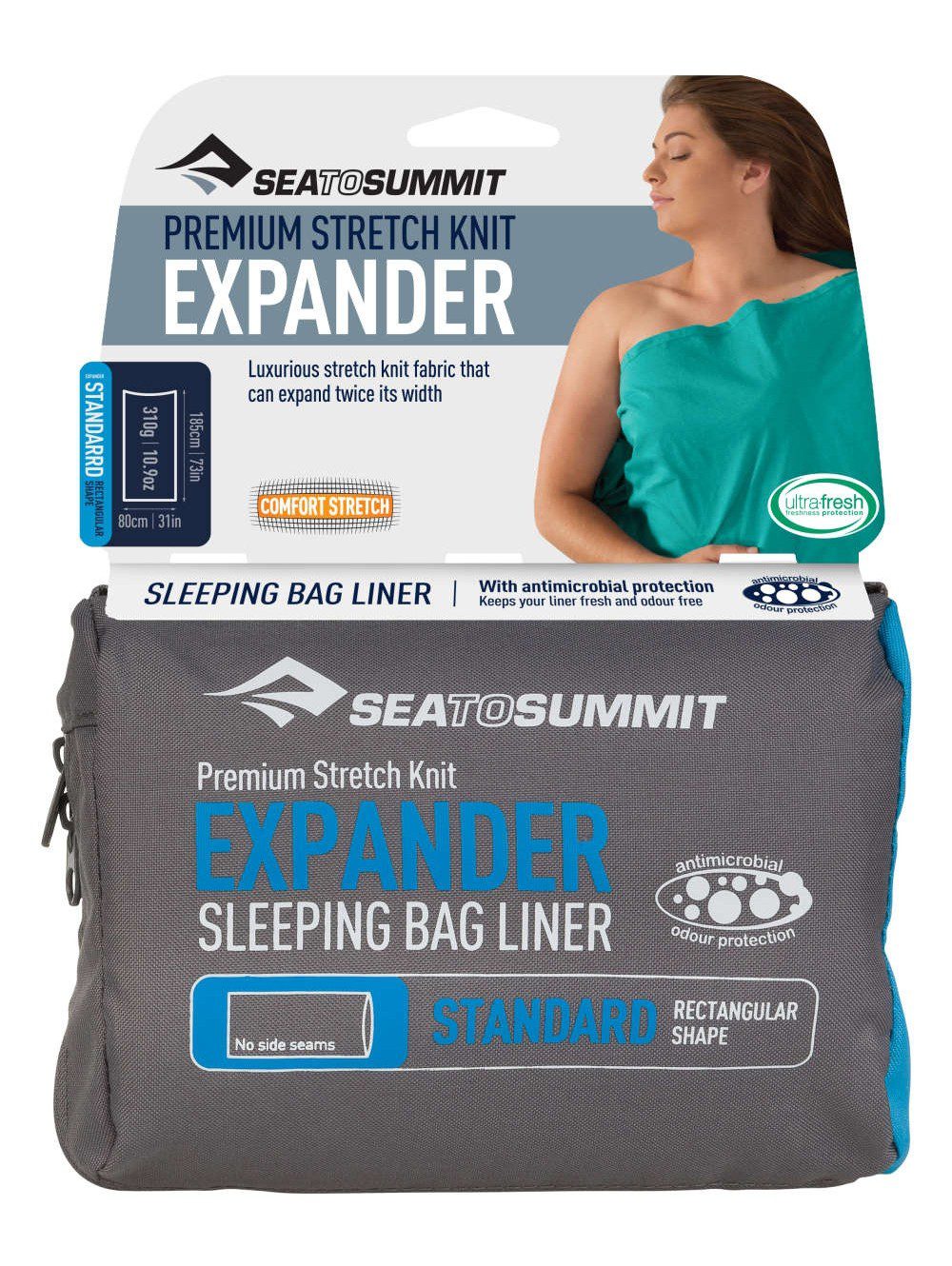
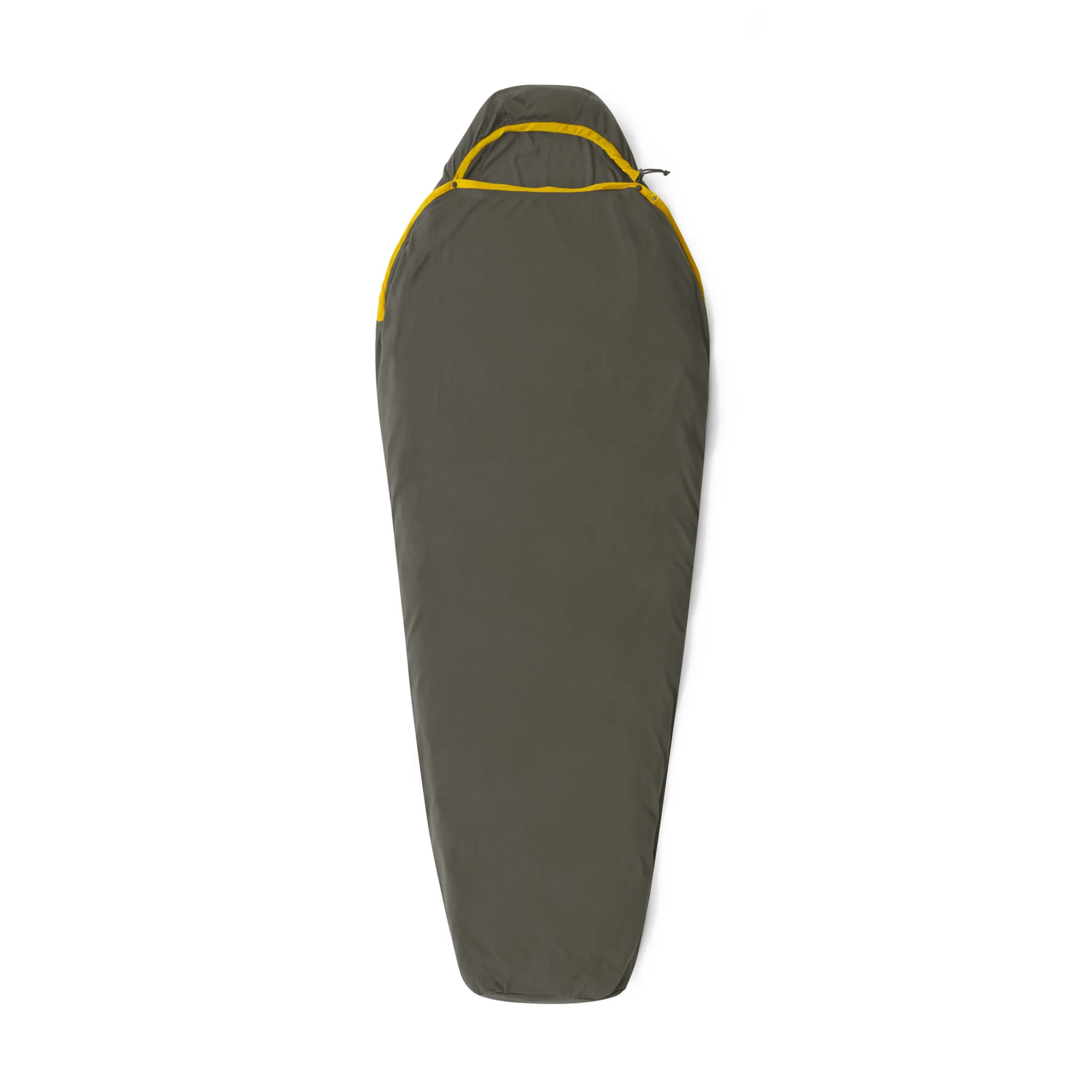
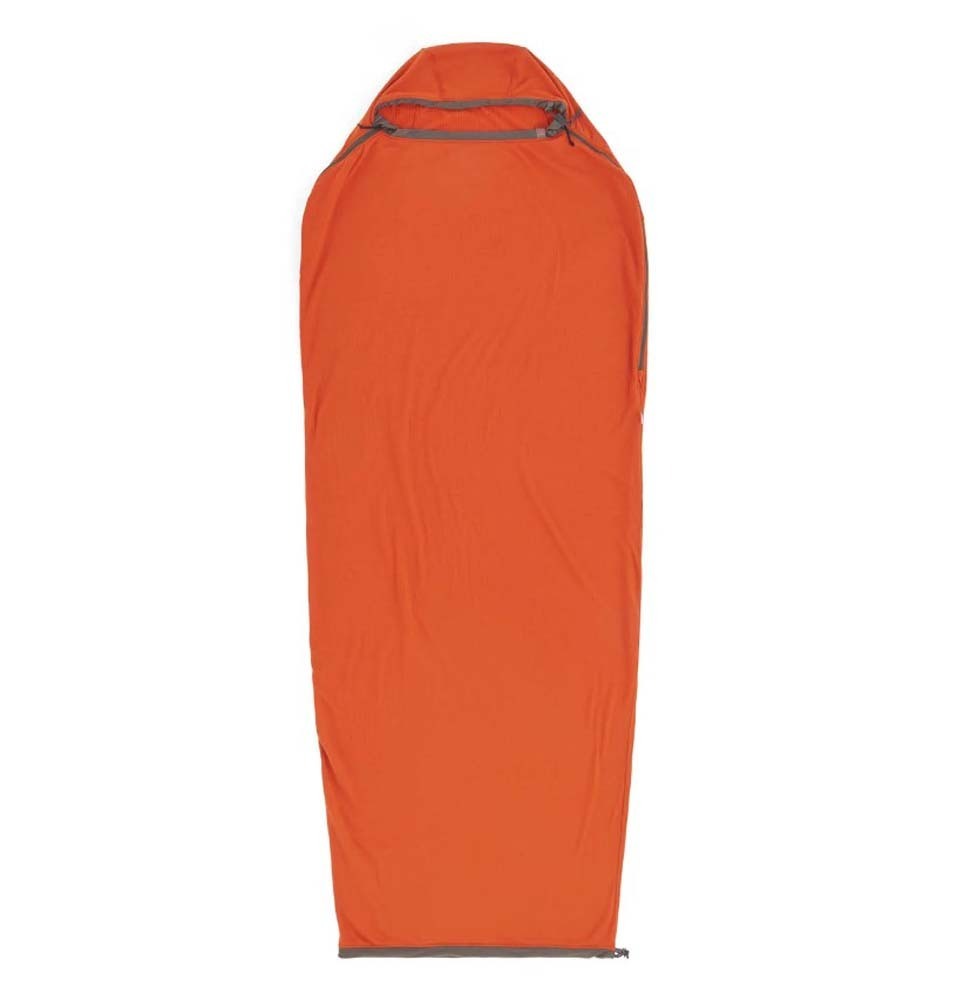
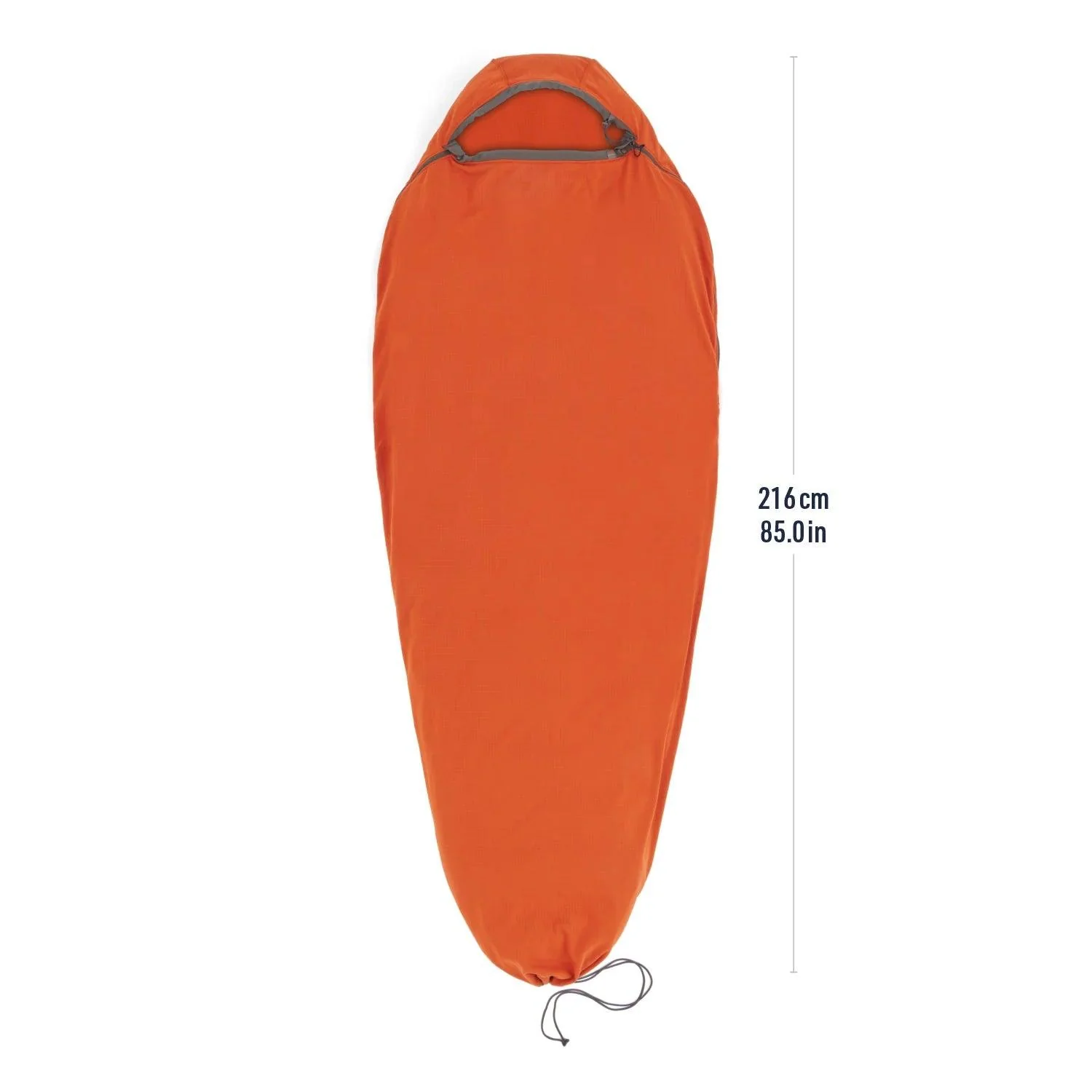
They solve slightly different problems. Reactor liners are usually the better fit for people trying to add warmth or build a more cold-capable setup. Silk liners tend to appeal to travellers and hikers who care about low bulk, soft feel, and easy packability. Cotton-silk options often sit in the middle for comfort and general-purpose use. On the current page, that split is visible in products such as the Reactor Lightweight Sleeping Bag Liner, Reactor Midweight Sleeping Bag Liner, Reactor Extreme Sleeping Bag Liner, Mont 100% Silk Inner Sheet Liner XL, and Sea to Summit Silk-Cotton liners.

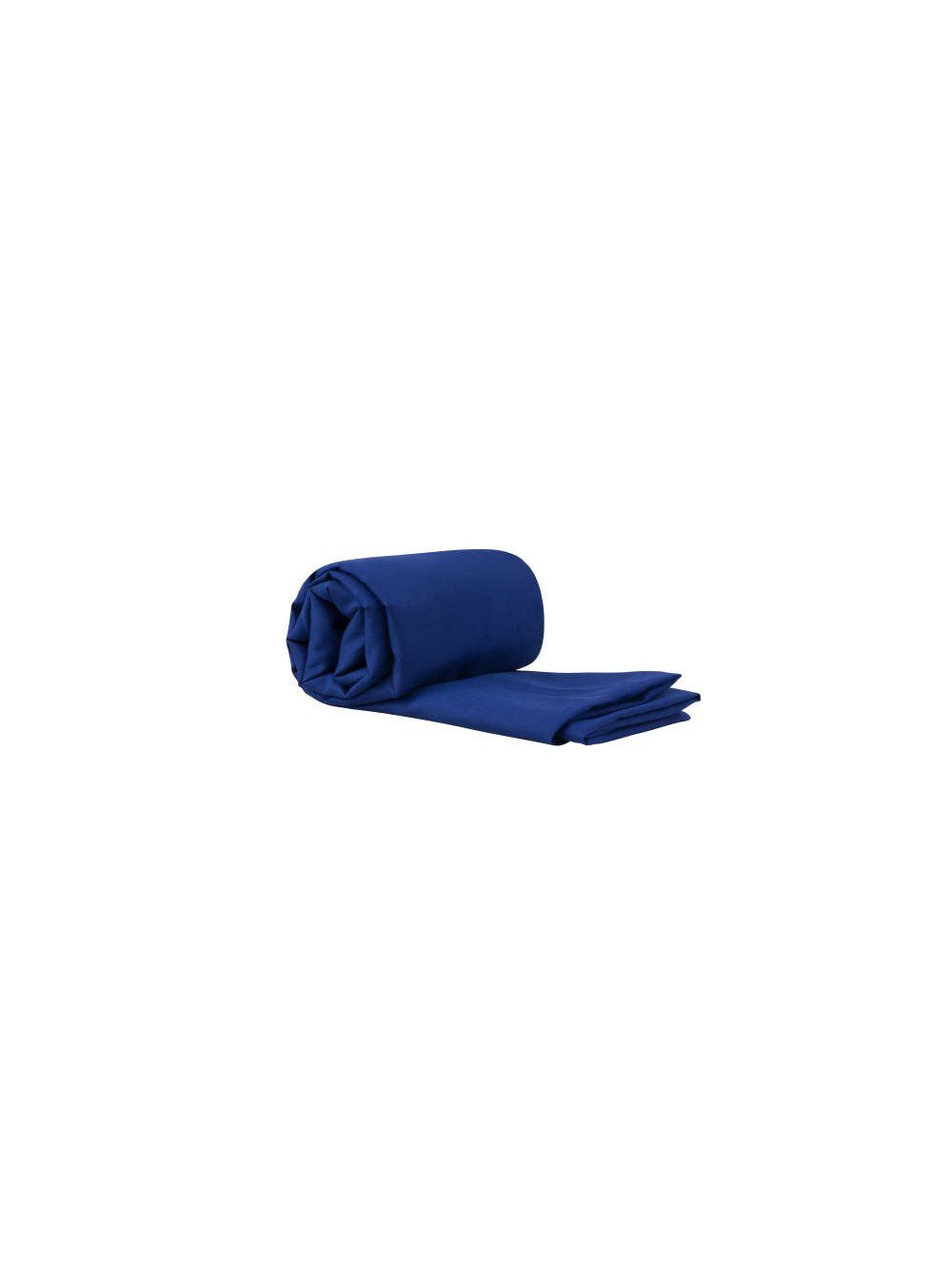
For hiking, people usually care first about pack size, weight, and whether the liner adds enough benefit to justify carrying it. That tends to push the decision toward lighter, more compact fabrics. For car camping or travel, comfort and feel can move higher up the list because pack efficiency matters less. Traveller-style liners and larger sheet-style liners can make more sense there. The category supports that distinction with mummy liners, traveller designs, double liners, and silk-based options rather than one standard format.

For many customers, hygiene is the reason that keeps paying off. A liner is easier to wash than a sleeping bag, which helps protect the bag from body oils, dirt, sunscreen, and general camp grime. That becomes more useful on repeated trips or group-based use where gear gets used often. Warmth may be the headline reason for some buyers, especially with Reactor-style products, though cleanliness and comfort are often the reasons people keep using one.

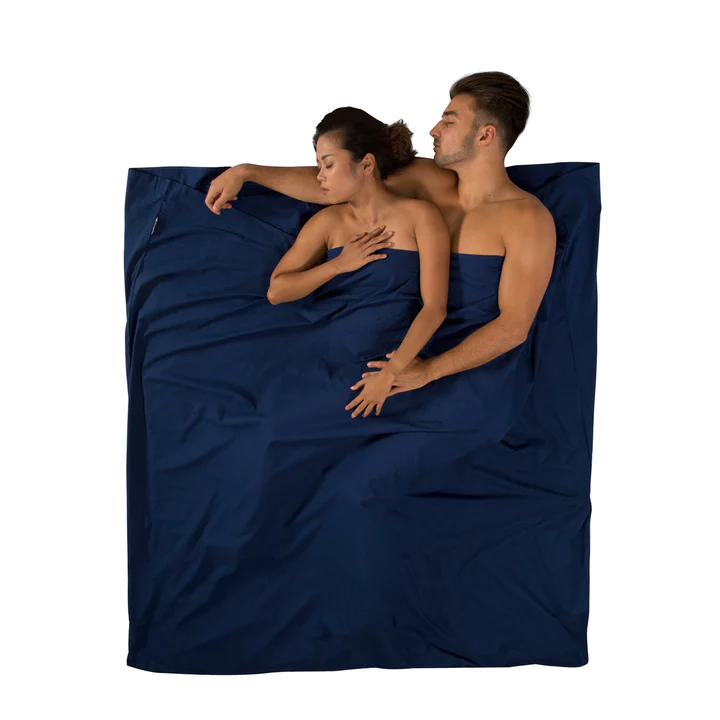
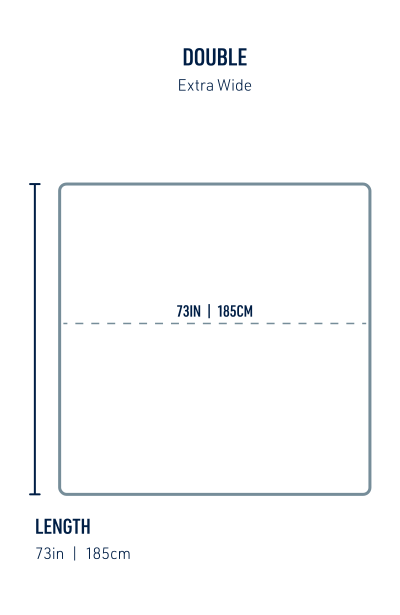
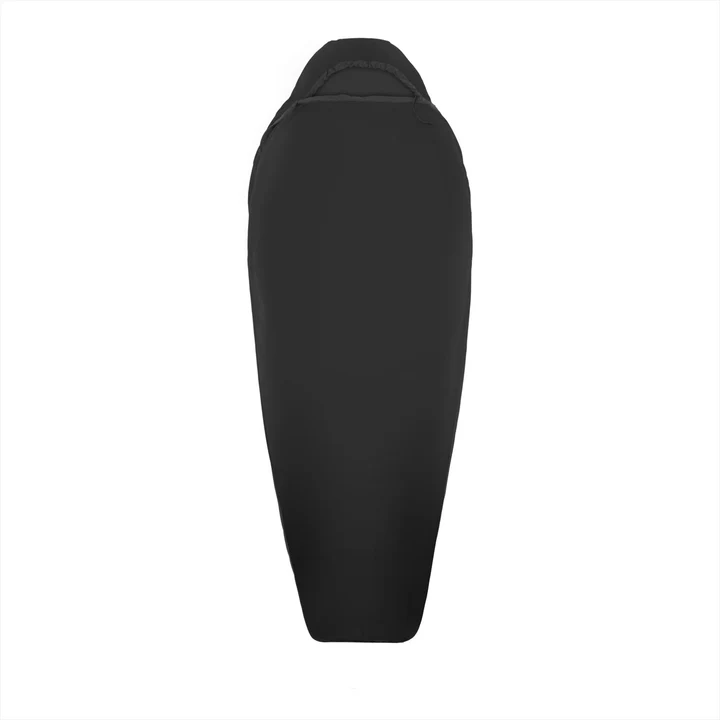
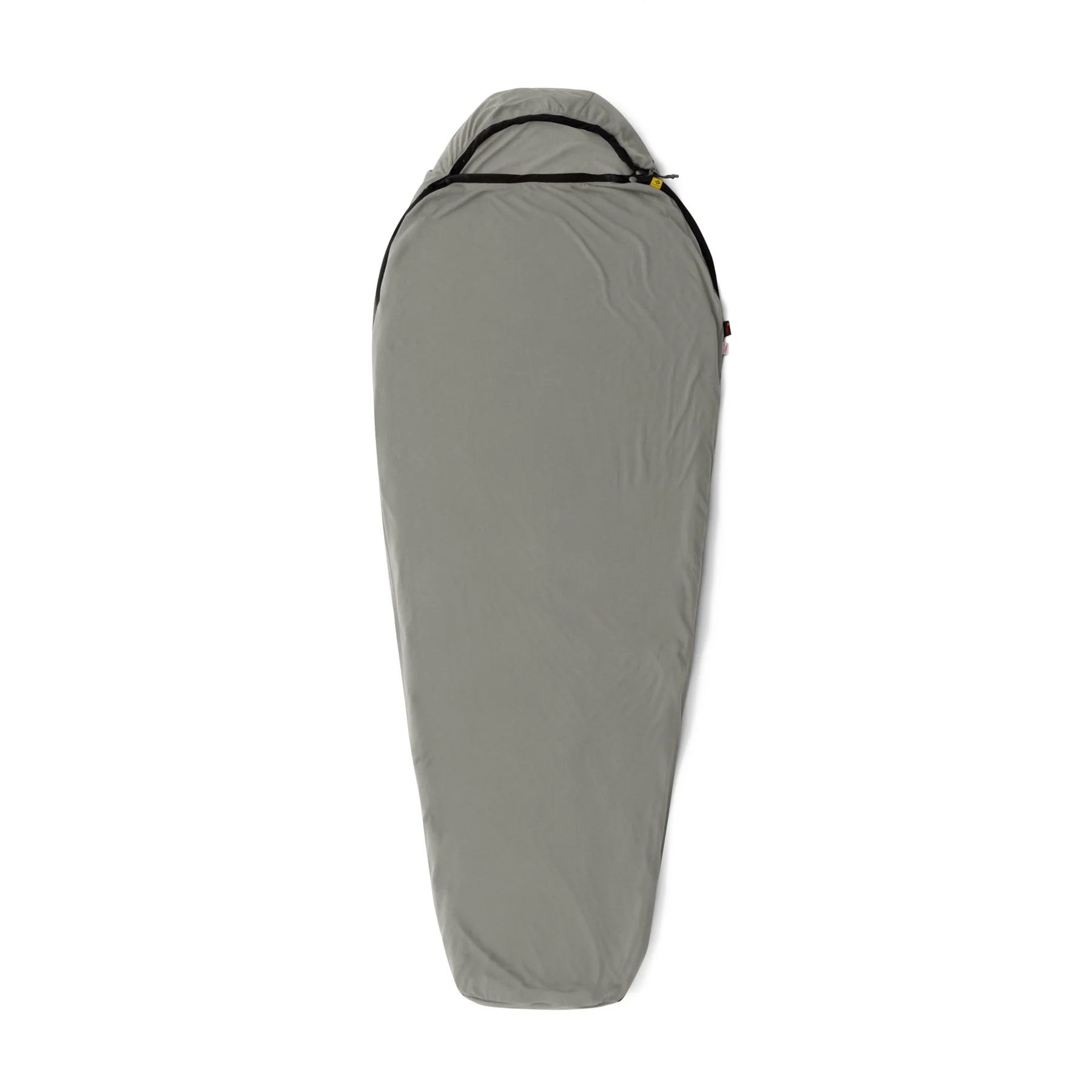
Shape matters more than it first appears. A mummy liner usually works better with mummy sleeping bags because it keeps the fit tidier and avoids excess material bunching up inside the bag. Traveller and rectangular styles can feel roomier and more natural for broader sleeping setups, huts, hostels, or warmer-weather use. Double liners are their own category again, aimed at paired setups rather than solo sleep systems. The current range includes mummy, traveller, XL, and double options, so fit should be part of the decision, not an afterthought.

Loadding...